EV Charger Installation Checklist for Northern Virginia, Maryland, and DC
Installing an EV charger at your home or business in Northern Virginia, Maryland, or DC requires more than just plugging in a device. You need a clear plan that covers electrical capacity, permits, and the right hardware. This checklist breaks down each step, so you know what to expect and how to prepare. Keep reading to get your installation on track with a licensed electrician who understands your local code and site needs. Learn more about EV charger installation.
Preparing for EV Charger Installation
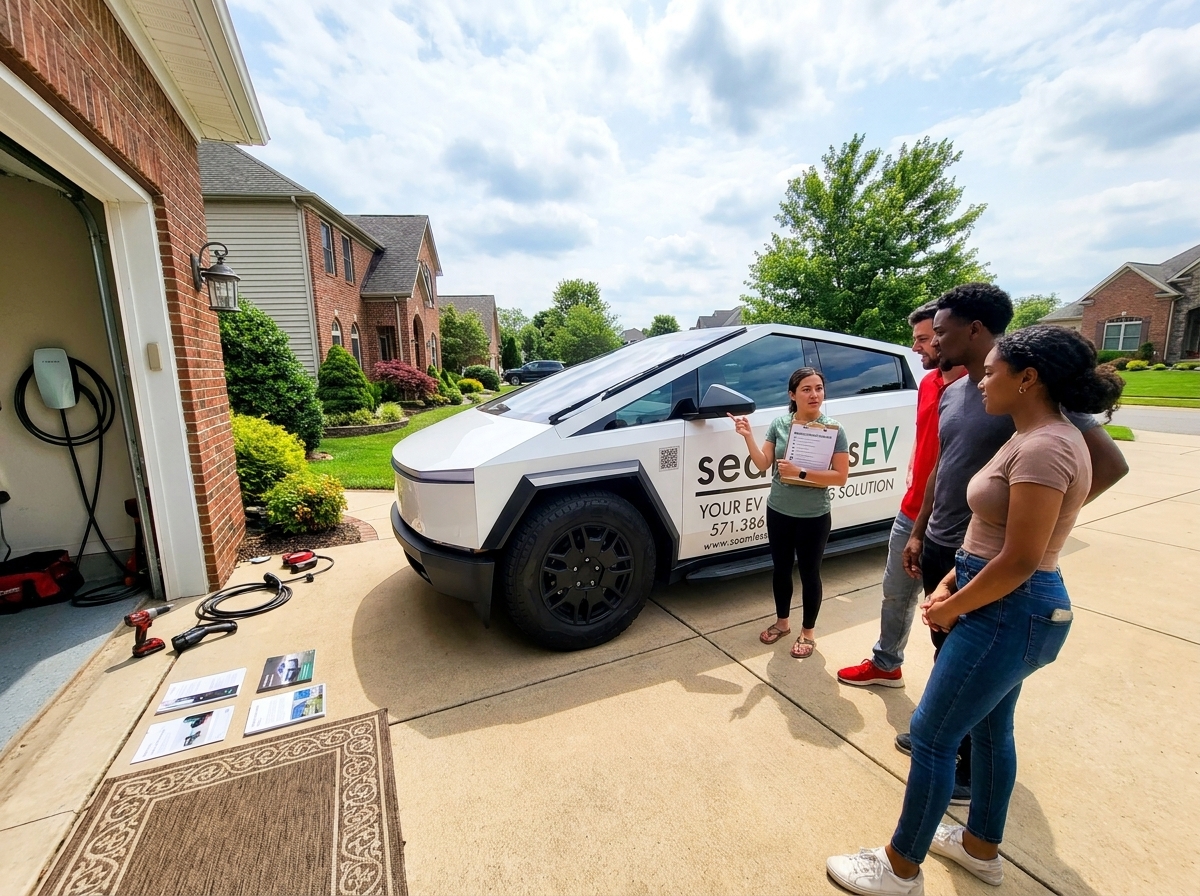
Before diving into the installation, it’s crucial to lay the groundwork. This involves assessing your current electrical setup, selecting a suitable charger, and arranging for professional help.
Assess Electrical Capacity
The first step is checking your electrical system’s capacity. This ensures it can handle the additional load an EV charger requires. Start by identifying the main service panel’s amperage; most homes have 100 to 200-amp panels. If your panel is on the lower end, you might need an upgrade.
Next, consider your everyday electrical use. Do you often use energy-intensive appliances? If yes, your system may struggle with the extra demand of a charger. A licensed electrician can perform an EV charging load calculation to prevent overloads.
Finally, think about future needs. Will you add more electric vehicles or other high-energy devices? Planning for growth can save you from costly upgrades later on. For more detailed guidelines, check out the Local Jurisdiction EV Ready Checklist.
Choose the Right EV Charger
Selecting the correct charger is essential for efficiency and convenience. Most homeowners prefer a Level 2 EV charger, which offers faster charging than a Level 1. The trade-off? It requires a 240-volt outlet and more robust electrical support.
Consider your driving habits when choosing a charger. A daily commuter might benefit from a Tesla Wall Connector installation, while occasional drivers might find a NEMA 14-50 outlet installation sufficient.
Also, think about the charger brand. Do you prefer a ChargePoint Home Flex installation? It’s known for flexibility and smart features. Ensure your choice aligns with your vehicle’s needs and your lifestyle.
Schedule a Professional Evaluation
After sorting out the basics, it’s time to call in a pro. A professional evaluation can identify potential issues and provide solutions tailored to your setup. This step is vital for avoiding costly mistakes.
During the evaluation, the electrician will inspect your home’s electrical system, verify your chosen charger’s compatibility, and discuss necessary upgrades. They will also assess the best location for the charger, considering both convenience and safety.
Don’t overlook this step. It’s a small investment that ensures a smooth installation and long-term satisfaction. For planning advice, review the EV Siting and Design Guidelines.
Installation Process Essentials
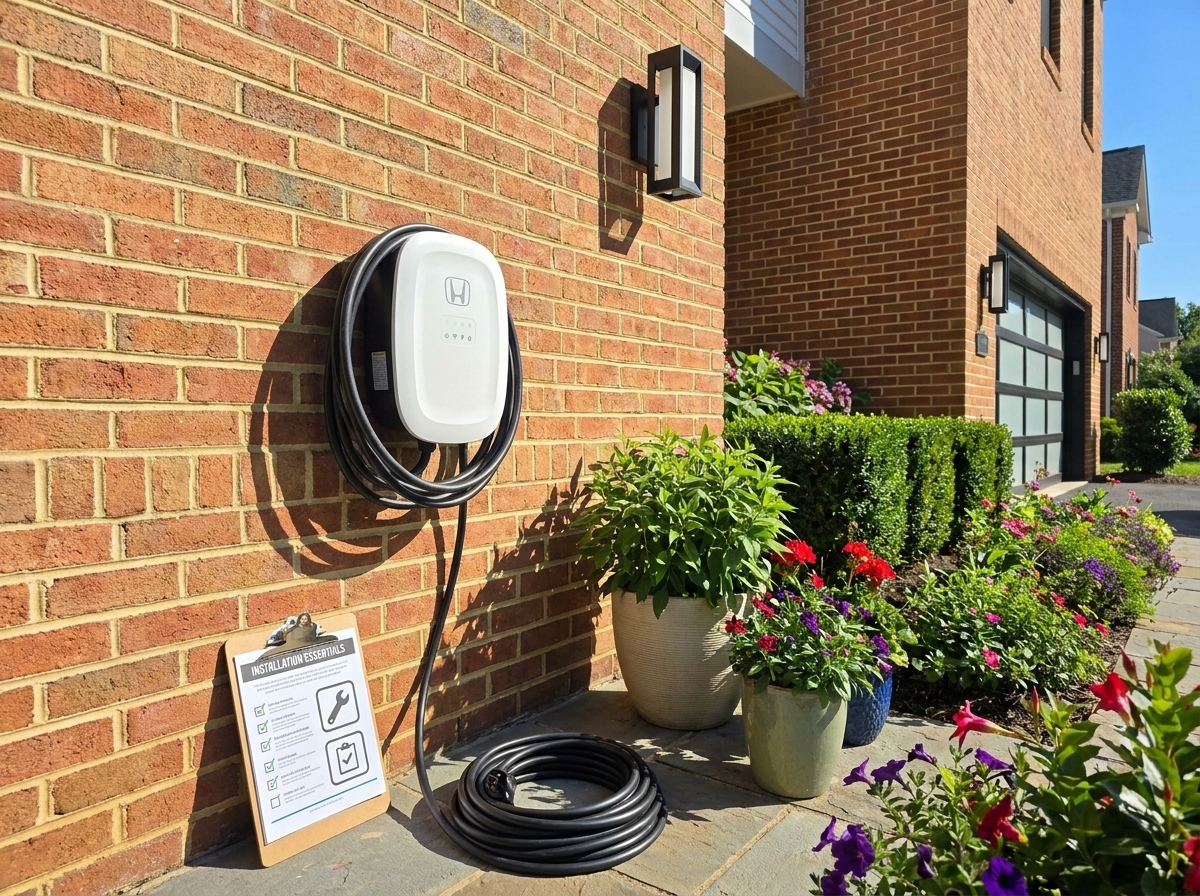
With preparation complete, you’re ready for the installation phase. This part covers necessary upgrades, permits, and final testing to ensure everything goes smoothly.
Electrical Panel and Circuit Upgrades
Upgrading your electrical panel might be necessary to accommodate a new charger. This involves replacing old components with new ones that can handle increased power demands. Think of it as setting the stage for reliable performance.
A hardwired EVSE installation often requires a dedicated circuit. This means new wiring from the panel to the charger location. While this might sound complex, it’s a standard procedure for a licensed electrician.
Upgrades can also include adding additional breakers or expanding the panel. Without these, you risk tripping circuits or causing electrical issues. Proper upgrades ensure your EV charger runs efficiently and safely.
Permits and Inspections Required
Permits and inspections are essential for compliance and safety. Installing an EV charger isn’t just a plug-and-play endeavor; it’s a complex project that needs approval from local authorities. The longer you wait to address these, the more challenging your project becomes.
Start by contacting your local building department. They will inform you of the necessary permits and the process for obtaining them. This step can involve fees, so budget accordingly.
Once the installation is complete, an inspection is necessary. This ensures the work meets local codes and standards, providing peace of mind and legal compliance. Don’t skip this; it’s a vital part of the installation process.
Final Installation and Testing
The final stage involves the actual installation and testing of your charger. This is where everything comes together, and you see the benefits of your preparation.
The electrician will install the charger, connect it to your electrical system, and configure any smart features. After installation, thorough testing ensures everything functions correctly. This includes checking the charger’s operation and verifying its integration with your home system.
Testing is crucial for identifying potential issues. Any problems found can be addressed on the spot, preventing future headaches. Once complete, your charger is ready for use, providing convenient and efficient power for your vehicle.
Making the Most of Your EV Charger
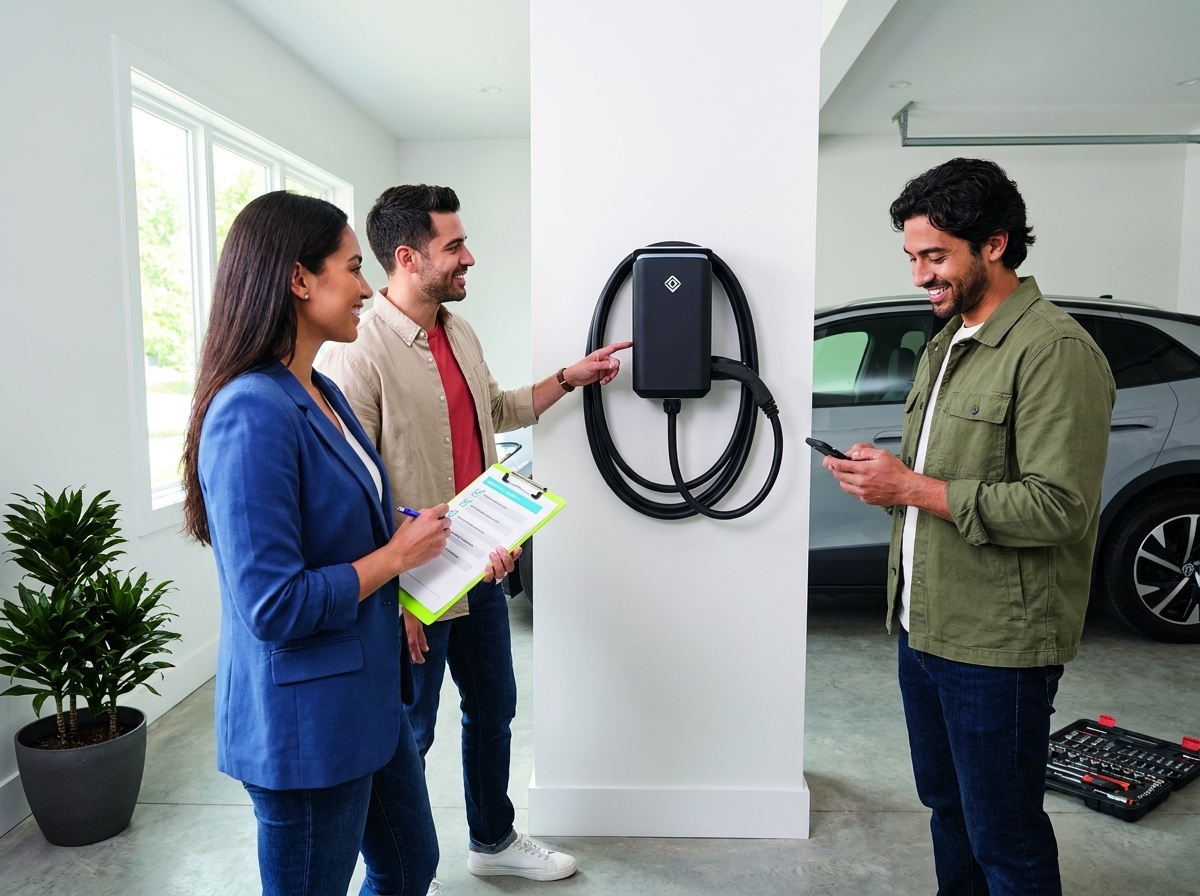
With the installation finished, it’s time to maximize your investment. Understanding rebates, maintaining your charger, and knowing where to find support can enhance your charging experience.
Understanding Rebates and Incentives
Rebates and incentives can significantly reduce the cost of your EV charger installation. Both federal and local programs offer financial support to encourage clean energy use.
Start by researching available options. Many states, including Virginia, Maryland, and DC, offer rebates that can cover a portion of your installation costs. These programs often have deadlines, so act quickly to secure your benefits.
Keep an eye on changing policies. Incentives can vary based on new legislation or budget allocations. Being informed allows you to take full advantage of these opportunities and save money on your installation.
Regular Maintenance and Safety Tips
Maintaining your EV charger is key to its longevity and safety. Routine checks can prevent issues and ensure consistent performance.
Begin with regular inspections. Look for visible wear or damage to cords and connectors. If you notice anything unusual, contact a professional for a thorough check.
Stay updated on software. Many chargers have smart features that require periodic updates for optimal performance. These updates can improve efficiency and add new functionalities, enhancing the overall experience.
Contacting Seamless EV for Support
Even with the best preparation, questions and issues can arise. That’s where Seamless EV comes in. Their expert team is ready to assist with any concerns, ensuring your charger operates flawlessly.
Whether you need advice on choosing a charger or have technical questions, Seamless EV offers reliable support. Their focus on quality and customer satisfaction means you’re never alone in your EV journey.
Choosing Seamless EV ensures you’re backed by a team of professionals dedicated to making your experience smooth and satisfying. For assistance, don’t hesitate to reach out to their knowledgeable team.
Schedule your free site check.