
Many homeowners and businesses in Northern Virginia jump into Level 2 EV charger installation without checking key details first. Overlooking your electrical panel’s capacity or local permit requirements can delay your project or cause safety issues. This checklist covers exactly what to verify before installing a Level 2 EV charger in Northern Virginia, so your setup meets code and fits your needs. For more detailed information, check out our installation checklist.
Service Capacity and Load Calculation
Before starting your EV charger installation, understanding your electrical system’s capacity is crucial. Let’s break down the key elements to ensure your setup is ready.
Panel Size and Breaker Rating
First, examine your electrical panel. It’s important to know if it can handle additional load. Check the panel size and the rating of your existing breakers. If your panel is full or close to its maximum capacity, adding a Level 2 EV charger might overload it. Consult with a professional electrician to assess your panel’s capacity. Having sufficient space and capacity ensures your home’s electrical system can support the EV charger safely.
Load Calculation for EV Circuit
Next, calculate the load requirements for your EV circuit. This step involves assessing the current and future electrical needs of your household. Add the potential load from the EV charger to your existing appliances to avoid overloading the system. You’ll need to account for peak usage periods when calculating total load. A thorough load analysis helps prevent tripped breakers and ensures efficient operation. For more insights on load calculations, visit Virginia EV Charger Authority.
Electrical Panel Upgrade for EV
If your current panel can’t handle the additional load, consider an upgrade. Upgrading your panel ensures it can accommodate the new circuit for your Level 2 EV charger. This might involve installing a sub-panel or increasing the overall capacity of your main panel. A professional assessment will determine the best solution tailored to your needs. Upgrading your panel not only supports your EV charger but also future-proofs your home for other electrical upgrades.
Compliance and Permitting
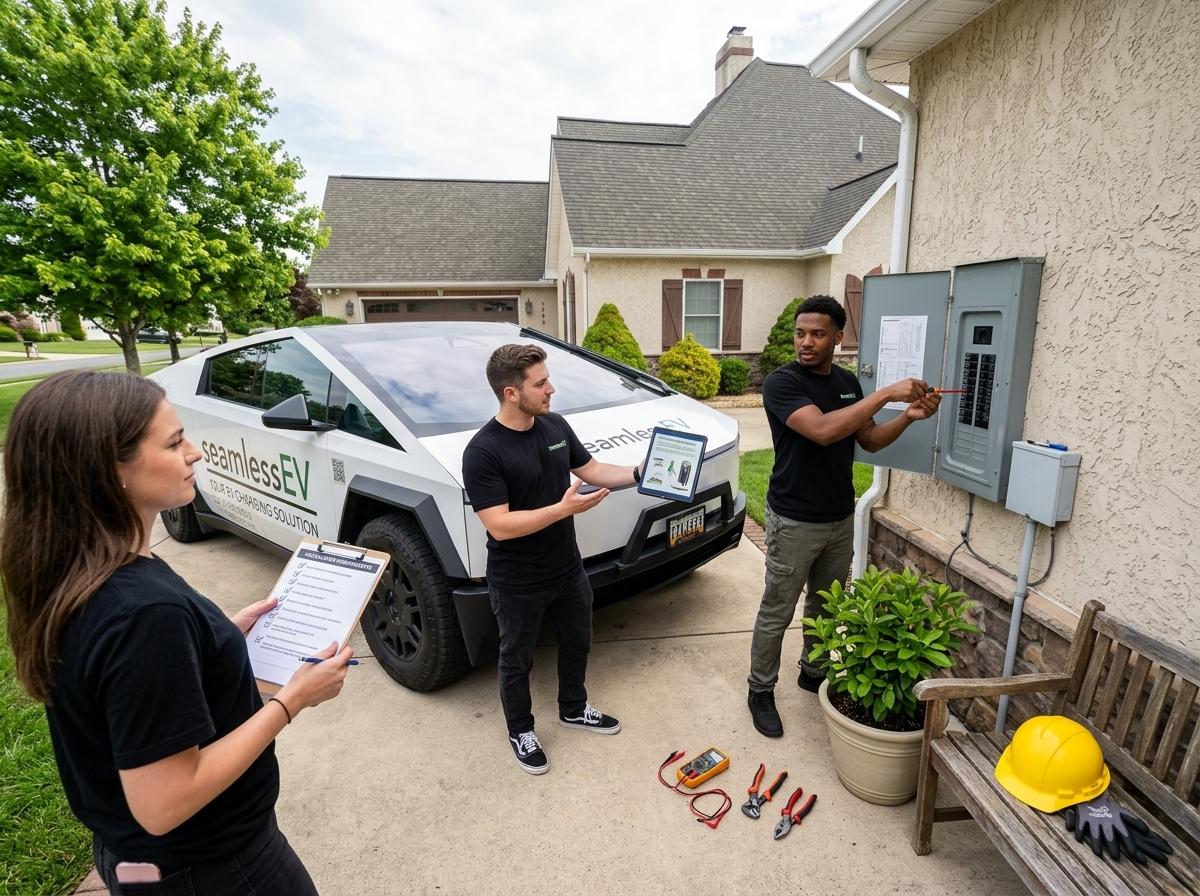
Ensuring your EV charger installation complies with local regulations is vital. Here’s what you need to know about permits and compliance.
NEC 625 Compliance and Permits
Before installing your EV charger, familiarize yourself with the National Electrical Code (NEC) 625. This code lays out specific requirements for EV charging systems, ensuring safety and proper function. Compliance with NEC 625 is not only crucial for safety but also a mandatory requirement in many areas. Checking this compliance helps avoid potential legal and safety issues. For more detailed guidelines, refer to Arlington’s guide on EV charging.
EV Charger Permit Virginia
In Virginia, securing the right permits is a must. Contact your local permitting office to understand the specific requirements in your area. Some regions might require a site inspection before issuing a permit. Obtaining the necessary permits ensures that your installation is legal and adheres to local standards. This step is crucial to avoid fines or having to redo the installation.
GFCI for EV Charger
A Ground Fault Circuit Interrupter (GFCI) is an essential safety feature for EV chargers. It prevents electrical shocks by breaking the circuit if a fault is detected. Installing a GFCI provides an extra layer of protection for your charger and household. Ensuring your setup includes a GFCI is not only a safety measure but also a compliance requirement in many codes.
Installation Design and Connectivity
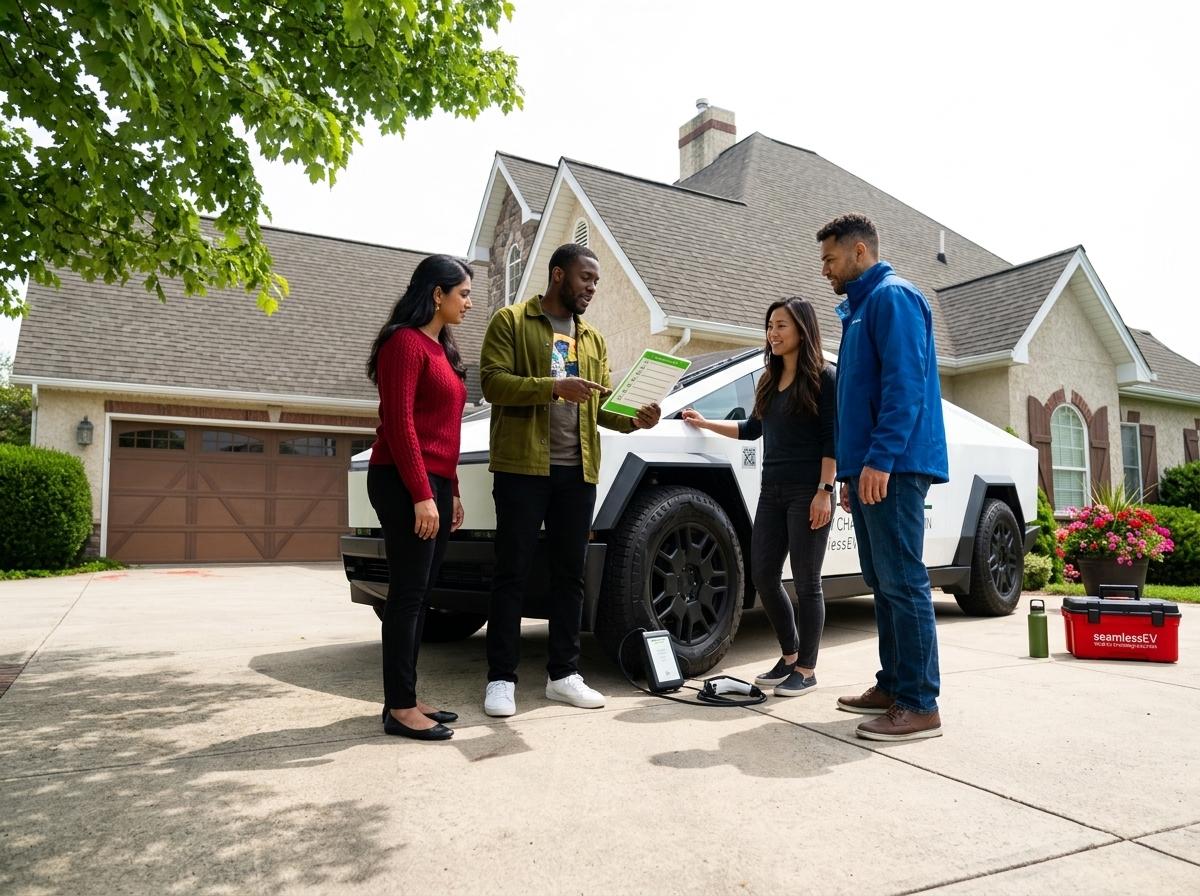
The design of your EV installation affects its efficiency and connectivity. Here’s how to optimize your setup.
Circuit Design and Protection
Designing your circuit involves selecting the right components and protection mechanisms. Choose appropriate wire sizes and circuit breakers that match the charger’s load requirements. Proper circuit design minimizes risks of overheating and ensures steady performance. This careful planning keeps your charger running smoothly and safely.
Receptacle vs. Hardwired EVSE
Decide between a receptacle-based or hardwired Electric Vehicle Supply Equipment (EVSE). A receptacle-based setup offers flexibility, allowing you to plug and unplug the charger as needed. However, a hardwired setup is often more secure and reduces wear on plugs and sockets. Evaluate your needs to choose the best option. For more on this, explore discussions on Reddit.
Wi-Fi and Utility Demand Response
Consider incorporating Wi-Fi capabilities into your EV charger. This feature allows remote monitoring and management of charging sessions. Additionally, participating in a utility demand response program can help manage energy use efficiently, especially during peak hours. These technological enhancements offer convenience and potential savings on energy costs. Watch a YouTube guide to learn more about smart EV chargers.
Frequently Asked Questions
What is the first step in installing a Level 2 EV charger?
The first step is to assess your electrical panel’s capacity to determine if it can handle the additional load. Consulting with a professional electrician is recommended to ensure safety and compliance.
Do I need a permit to install a Level 2 EV charger in Virginia?
Yes, a permit is typically required. Contact your local permitting office to understand the specific requirements and ensure your installation adheres to local standards.
What is the difference between a receptacle and a hardwired EVSE?
A receptacle-based EVSE allows for easy plug-and-play use, while a hardwired setup is more secure and reduces wear on connections. The choice depends on your specific needs and installation preferences.
Why is GFCI important for EV chargers?
A GFCI protects against electrical shocks by cutting off power if a fault is detected. It is a critical safety feature and often a compliance requirement for EV charger installations.
How can I ensure my EV charger installation is compliant with NEC 625?
Familiarize yourself with NEC 625 requirements and consult with a professional installer who understands these codes. Compliance ensures safety and legality of your EV charging setup.
Schedule your free site check.