Most people in Northern Virginia think installing an EV charger is a quick plug-and-play job. The reality involves permits, load calculations, and sometimes panel upgrades to meet local codes. This checklist breaks down every step you need for successful EV charger installation Northern Virginia homeowners and businesses trust. For more detailed guidance, check out our EV Charger Installation Checklist for Northern Virginia, Maryland, and DC.
Preparing for EV Charger Installation
Before diving into the installation, it’s crucial to understand the groundwork needed. Here’s how you prepare for the installation process.
Assessing Your Electrical System
The first step is evaluating your electrical setup to ensure it can support an EV charger. Check your current electrical panel to see if it has enough capacity for a new device. This might require a professional inspection to determine if an electrical panel upgrade for EV charging is necessary. Many homes need adjustments before adding a Level 2 charger. Having an expert review your setup can prevent future issues and ensure safe operation.
Site Evaluation and Quote Process
Once your electrical system is in check, the next step involves a site evaluation. A professional will visit your location to assess the best spot for the charger and provide a detailed quote. This process includes considering the distance from your electrical panel, the type of charger you want, and any necessary adjustments. You can also explore additional resources from trusted sources like Prince William County’s guide on residential EV charging stations.
Navigating Permits and Code Compliance
Installing an EV charger isn’t just about plugging in. You must ensure compliance with local codes. This often involves acquiring the necessary permits. Different areas in Northern Virginia have specific requirements. It’s essential to understand these to avoid fines or installation issues. Resources like Arlington’s guide on installing EV charging can offer more insights.
Installation Process and Options
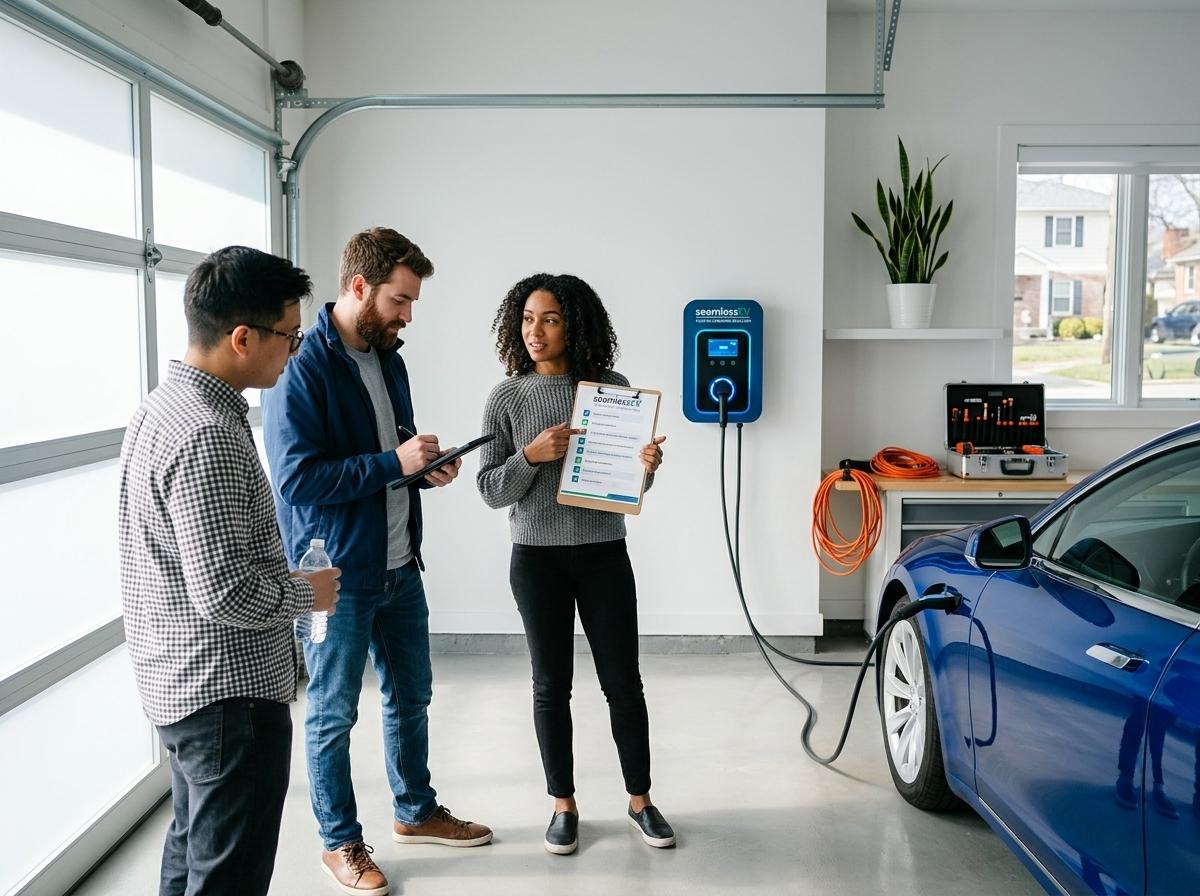
With preparations complete, it’s time to focus on your installation options and the steps involved.
Choosing Between Level 1 and Level 2 Chargers
Selecting the right charger type depends on your needs. Level 1 chargers use a standard outlet but charge slowly. They’re ideal for those with limited driving or overnight charging needs. Level 2 chargers require professional installation and a dedicated circuit but charge faster. They suit those needing quicker, more frequent charging. Your choice should match your driving habits and home’s electrical capabilities.
Installation Steps for Homeowners
For homeowners, the installation process involves several steps:
-
Professional Inspection: Ensure your home’s electrical system can support the charger.
-
Site Selection: Choose an optimal location for easy access and minimal wiring.
-
Installation: Licensed electricians will handle the setup, ensuring safety and efficiency.
-
Testing: Once installed, the system is tested to ensure it operates correctly.
Business and Commercial Installations
Businesses have different needs. Commercial EV charging stations in NOVA often require multiple chargers and considerations for public access. The process involves:
-
Assessment of Needs: Determine the number of chargers and types suitable for your business.
-
Compliance: Ensure installations are ADA-compliant and meet local business regulations.
-
Installation and Setup: A professional team will handle the installation, ensuring it meets all safety standards.
Finalizing the Installation
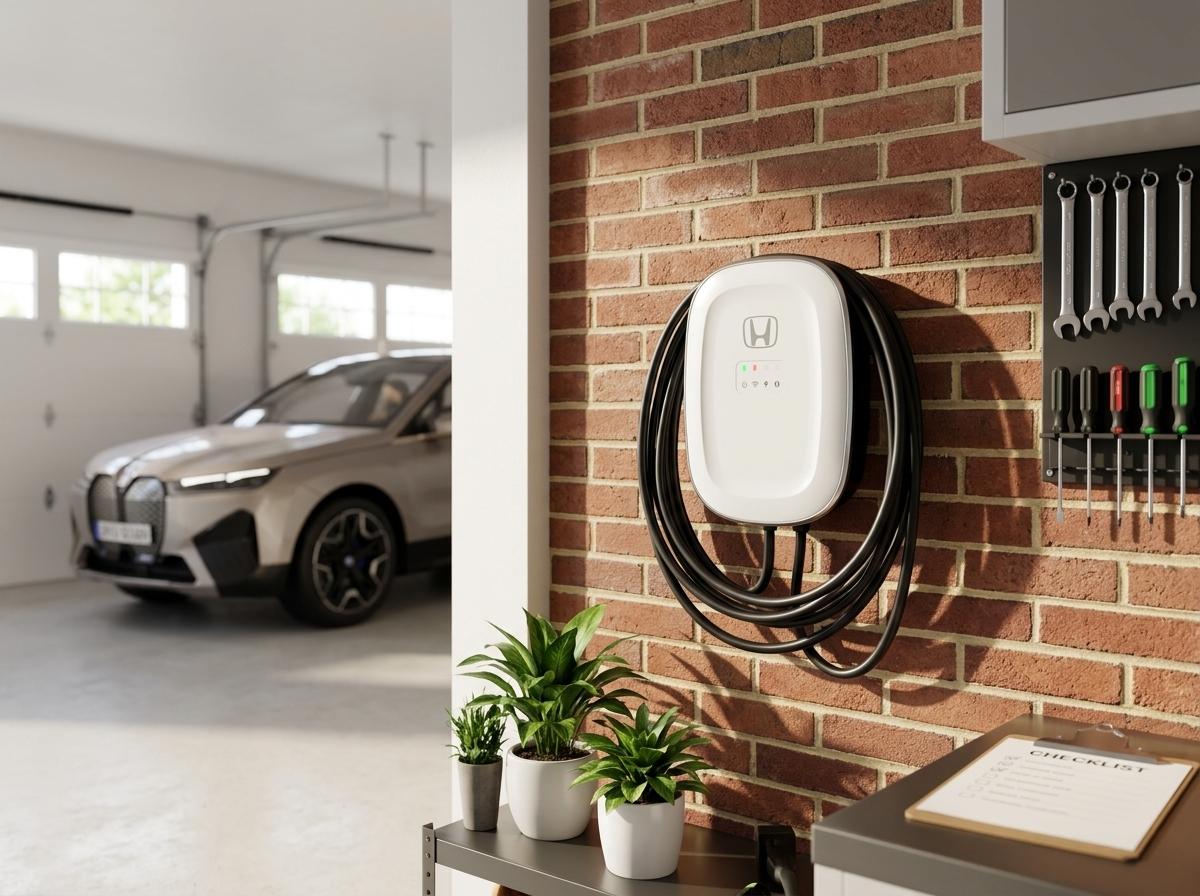
After installation, a few more steps ensure everything runs smoothly.
Inspection and Quality Assurance
A final inspection is crucial. Professionals will check the installation to confirm everything meets safety standards. This step ensures the longevity and reliability of your charger.
Post-Installation Support and Training
Understanding how to use your new charger is vital. Many installers offer training sessions to guide you on operation, maintenance, and troubleshooting. This support is essential for maximizing your charger’s benefits.
Scheduling Your Installation with Us
Ready to get started? Scheduling your installation is the next step. Contact a trusted EV charger installer in Northern Virginia to set up your site evaluation and get things moving.
Frequently Asked Questions
How long does it take to install an EV charger?
Installation time varies, but most residential setups take a few hours. Commercial installations might take longer due to complexity.
Do I need a permit to install an EV charger?
Yes, most areas require permits to ensure installations meet safety codes. Check with your local authorities for specific requirements.
Can I install a Level 2 charger myself?
It’s recommended to hire a professional. Level 2 chargers require specific wiring and can be complex, making professional installation safer and more reliable.
What’s the difference between Level 1 and Level 2 chargers?
Level 1 chargers use a standard outlet and charge slowly. Level 2 chargers are faster but require a dedicated circuit and professional installation.
Are there incentives for EV charger installation?
Some areas offer incentives or rebates for EV charger installations. Check with local utilities or government programs to see what’s available.
Schedule your free site check.