Installing commercial EV chargers in Northern Virginia is more complex than plugging in a device. You need to navigate power requirements, permits, and local codes before moving forward. This guide breaks down what to expect, from hardware choices to incentives, so you can plan your project with confidence. If you want a clear path to workplace EV charging Loudoun County or Fairfax County, keep reading. For more details, visit Seamless EV.
Understanding Installation Requirements
Before you install an EV charger at your business, it’s important to grasp the basics. Understanding power management, obtaining necessary permits, and meeting ADA standards are crucial steps in this process.
Power Needs and Load Management
The first step is to evaluate your power capacity. Load management ensures that your electrical system can handle the new demand without overloading. This involves assessing your current infrastructure and determining if upgrades are needed. A professional assessment will outline the best strategy to maintain efficiency and safety. For businesses, installing Level 2 EV chargers is common, as they offer faster charging times suitable for workplace environments.
Permits and Local Regulations
Obtaining the right permits is vital. Each locality in Northern Virginia, such as Fairfax County, has its own regulations. You’ll need to comply with the National Electrical Code 625 and other local mandates. This might include submitting detailed plans and undergoing inspections. It’s wise to consult with an experienced EV charger installer in Northern Virginia who understands these requirements. They can help navigate this process smoothly, avoiding delays and ensuring compliance.
ADA Compliance and Signage
Installing EV chargers involves more than just technical setup. Meeting ADA compliance is crucial, especially if your chargers are in public or employee areas. This includes ensuring accessible pathways and proper signage. Clear signage not only guides users but also fulfills legal obligations. Having an EV charger that is ADA compliant can enhance your business’s reputation by demonstrating inclusivity.
Choosing the Right EV Charging Hardware
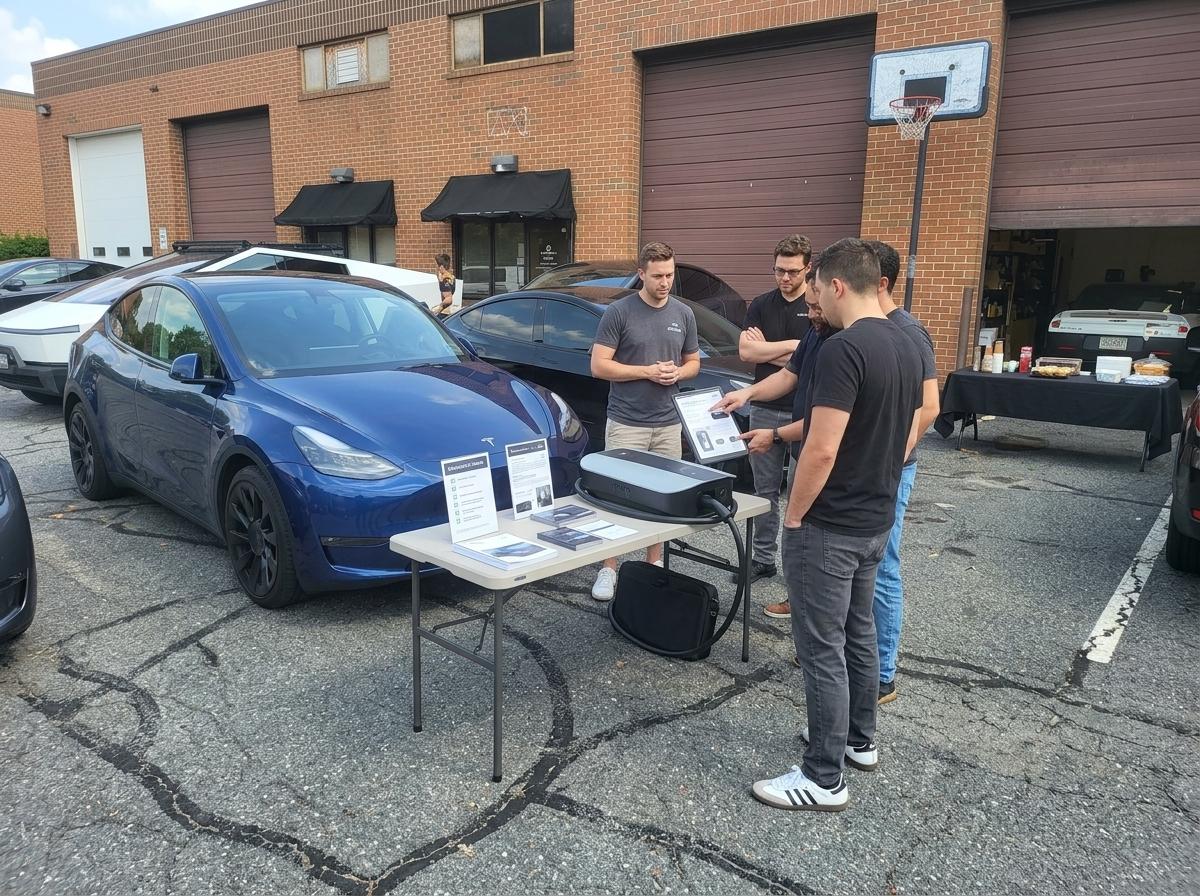
Selecting the right hardware is essential for a successful installation. You’ll need to understand the types of chargers available and consider networking standards and financial incentives.
Types of EV Chargers for Businesses
There are various types of EV chargers, but for most businesses, Level 2 chargers are ideal. They offer a balance of speed and cost, making them suitable for workplaces and retail centers. These chargers can power most vehicles fully within a few hours, accommodating employees during a standard workday. Installing the right charger depends on your business needs and the electrical capacity of your site.
Networked Chargers and OCPP Standards
When selecting chargers, consider those that adhere to OCPP (Open Charge Point Protocol) standards. These networked chargers allow for remote management, usage tracking, and software updates. Networked systems provide greater control and flexibility, making it easier to manage multiple charging points. They can help optimize performance and reduce operational costs over time.
Incentives and Rebates in Virginia
Virginia offers various incentives for installing commercial EV chargers. From tax credits to utility rebates, these can significantly reduce installation costs. Programs like Dominion Energy EV charging rebates are available to businesses in Northern Virginia. These incentives aim to encourage adoption of EV infrastructure, supporting sustainability and energy efficiency goals.
Planning and Timeline for Installation
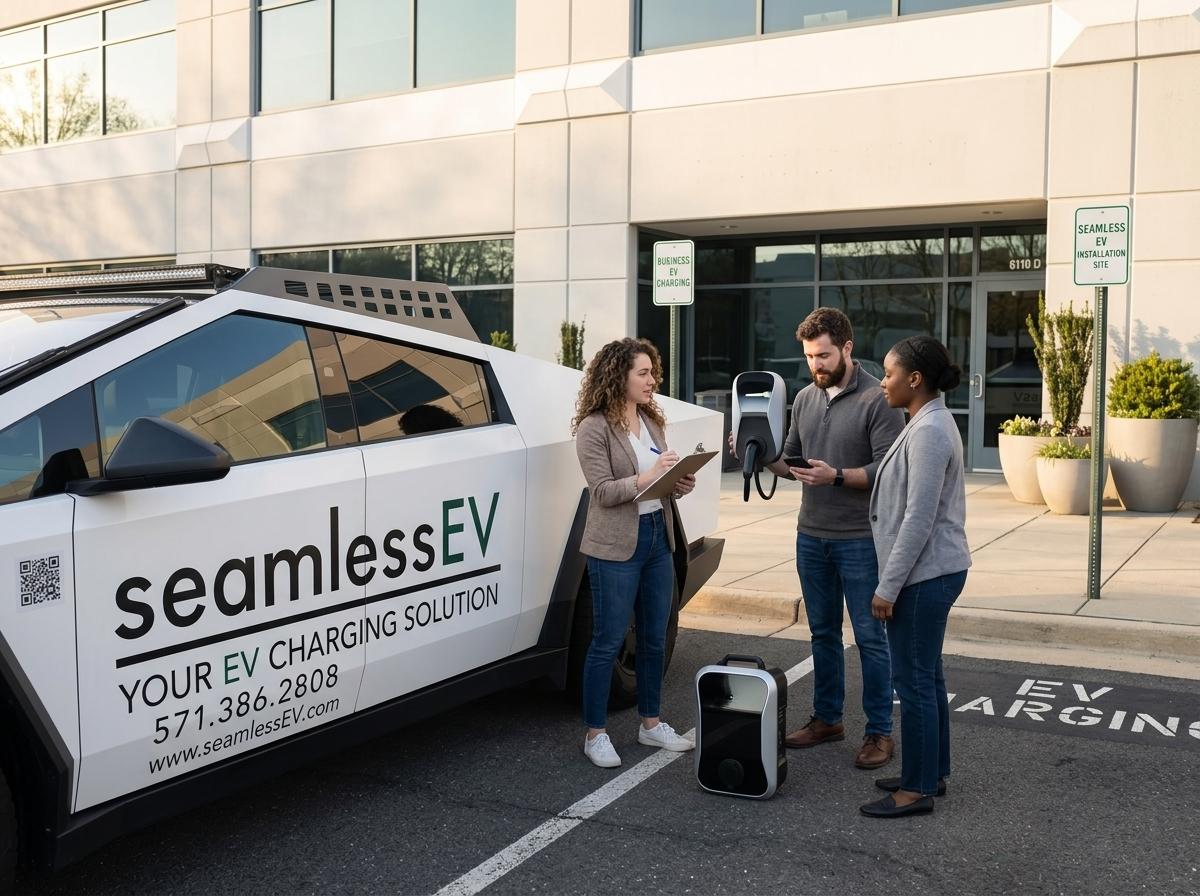
Planning your EV charger installation involves several steps. Understanding the timeline and process ensures a smooth experience from start to finish.
Site Evaluation and Power Assessments
A comprehensive site evaluation is the first step. This involves assessing your current electrical capacity and identifying necessary upgrades. A detailed power assessment helps avoid unexpected costs and ensures the installation meets your business needs. With an accurate evaluation, you can plan effectively and set realistic timelines for project completion.
Installation Process and Timeline
The installation process typically includes securing permits, preparing the site, and setting up the hardware. Depending on your location and the complexity of the installation, this can take several weeks to complete. Engaging with an experienced EV charger installer can streamline the process, minimizing disruptions to your operations and ensuring timely completion.
Contact Seamless EV for Quotes and Support
For businesses in Northern Virginia looking to install EV chargers, Seamless EV offers comprehensive support. From site evaluations to final installations, they provide expert guidance every step of the way. Contact them for a detailed quote and discover how they can help you install reliable and efficient EV charging solutions tailored to your needs.
Frequently Asked Questions
1. What types of EV chargers are best for businesses?
Level 2 chargers are ideal for businesses as they provide a good balance between cost and charging speed. They can charge most vehicles fully within a few hours, making them suitable for workplace settings.
2. What permits are needed for EV charger installation in Northern Virginia?
You need to comply with local regulations and the National Electrical Code 625. It’s crucial to work with an experienced installer who understands these requirements to ensure a smooth permitting process.
3. Are there incentives for installing EV chargers in Virginia?
Yes, Virginia offers various incentives, including tax credits and utility rebates like the Dominion Energy EV charging rebates. These can help offset installation costs and encourage the adoption of EV infrastructure.
4. How long does it take to install an EV charger at a business?
The installation timeline can vary based on location and complexity but typically takes several weeks. Engaging with an experienced installer can help streamline the process and minimize disruptions.
5. What is OCPP, and why is it important for EV chargers?
OCPP stands for Open Charge Point Protocol, a standard for networked chargers. It allows for remote management and usage tracking, offering greater control and cost efficiency for businesses with multiple charging points.
Schedule your free site check.