Planning your EV charger installation in Northern Virginia requires clear steps to avoid delays and extra costs. Whether you need a home EV charger Northern Virginia or commercial EV charging Northern Virginia, understanding site requirements and permits is crucial. This guide breaks down the process, from load calculation EV charger needs to electrical panel upgrade for EV systems. Keep reading to get a clear path toward a smooth, code-compliant installation with Seamless EV.
Understanding EV Charger Installation
When setting up an EV charger in Northern Virginia, it’s crucial to understand the different options available and the importance of planning.
Home EV Charging Options
For homeowners, installing an EV charger at home offers convenience and cost savings. You can choose between Level 1 and Level 2 chargers. Level 1 chargers use a standard outlet, perfect for overnight charging. Level 2 chargers require a 240-volt outlet, providing faster charging times. Most people think it’s complicated, but installing a home EV charger is straightforward with the right guidance.
Consider how often you drive and your vehicle’s charging needs. A Level 2 charger is ideal for quicker charge times, while a Level 1 charger works for those with more time between drives. This choice depends on your daily routine and how much power your home system can handle.
Commercial EV Charging Solutions
Businesses in Northern Virginia can benefit significantly from offering EV charging. Adding EV chargers can attract eco-conscious customers and employees. The process involves deciding on the number of chargers and their locations, considering both convenience and safety.
Commercial installations may need more infrastructure, but they offer higher charging speeds. This increases the appeal of your business location. Businesses can consult with experts to ensure they meet all necessary regulations and provide reliable service to users.
Importance of Load Calculations
Understanding load calculations is key to a successful installation. This ensures your electrical panel can handle the additional load of an EV charger. It’s essential to determine your current electrical capacity and whether an upgrade is necessary for safe charging.
Performing a load calculation early prevents future headaches. It ensures your system can support your chosen charger, avoiding potential power issues. This step is crucial for both home and commercial installations to maintain safety and efficiency.
Preparing for Installation
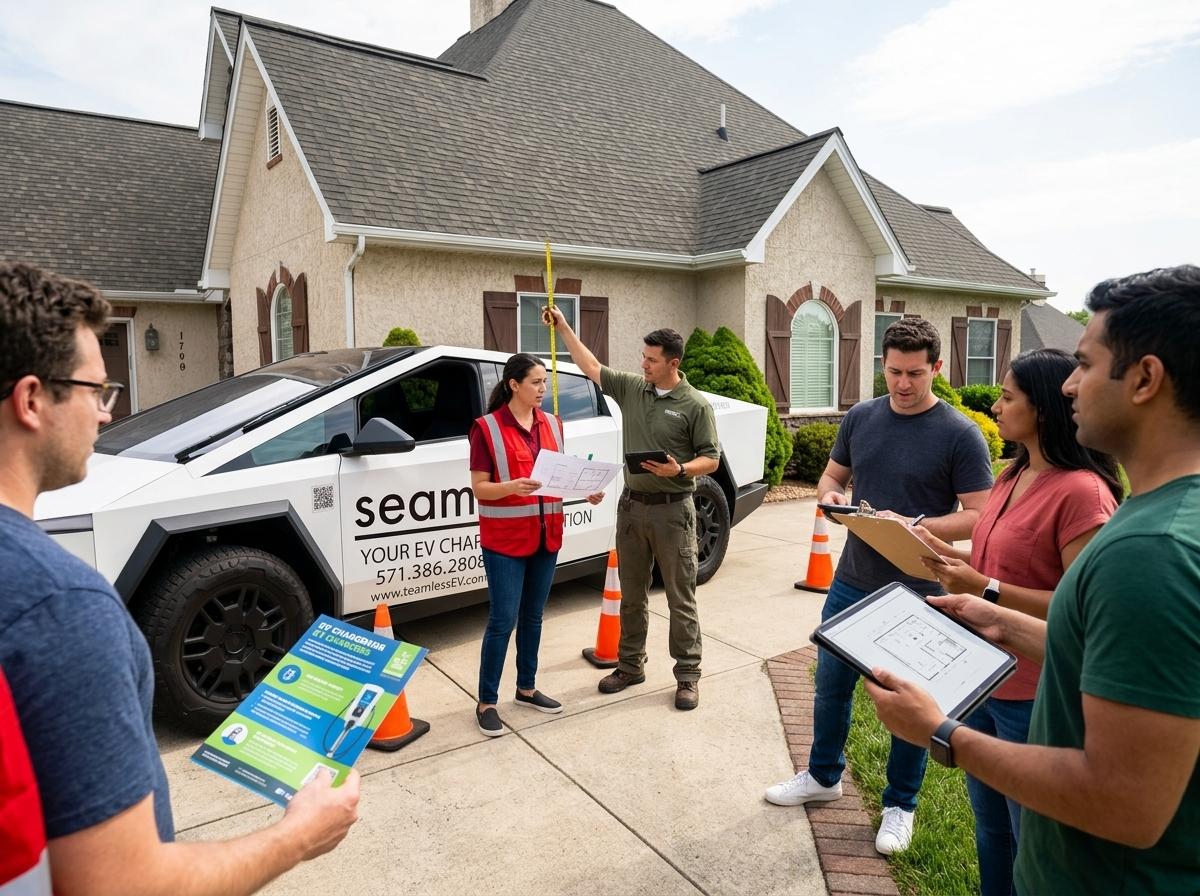
Preparation involves several steps to ensure a smooth installation process. It’s about making informed decisions to avoid unnecessary complications.
Assessing Electrical Panel Needs
Before installation, it’s vital to assess your electrical panel. Determine if your current system can support the new charger. This might involve a simple check or a more detailed inspection by a professional.
Upgrading your panel might be necessary, especially for Level 2 chargers. This ensures your home or business remains safe and operates efficiently. A qualified electrician can evaluate your setup and recommend the best course of action.
Choosing the Right Charger
Selecting the right charger depends on your specific needs. Consider charging speed, usage frequency, and compatibility with your vehicle. Brands like Tesla and ChargePoint offer reliable options for different requirements.
For homeowners, a Tesla Wall Connector or a ChargePoint Home Flex might be suitable. These options offer flexibility and speed, catering to various vehicle types. Businesses might need multiple chargers to accommodate different users.
Permits and Incentives in Virginia
Installing an EV charger may require specific permits. Check local regulations to ensure compliance, which helps avoid fines or delays. Virginia offers incentives for EV charger installations, reducing overall costs.
Familiarize yourself with available incentives to maximize your benefits. This might include rebates or tax credits, making the investment more attractive. Understanding these aspects helps streamline the process and make informed financial decisions.
Seamless Installation Process
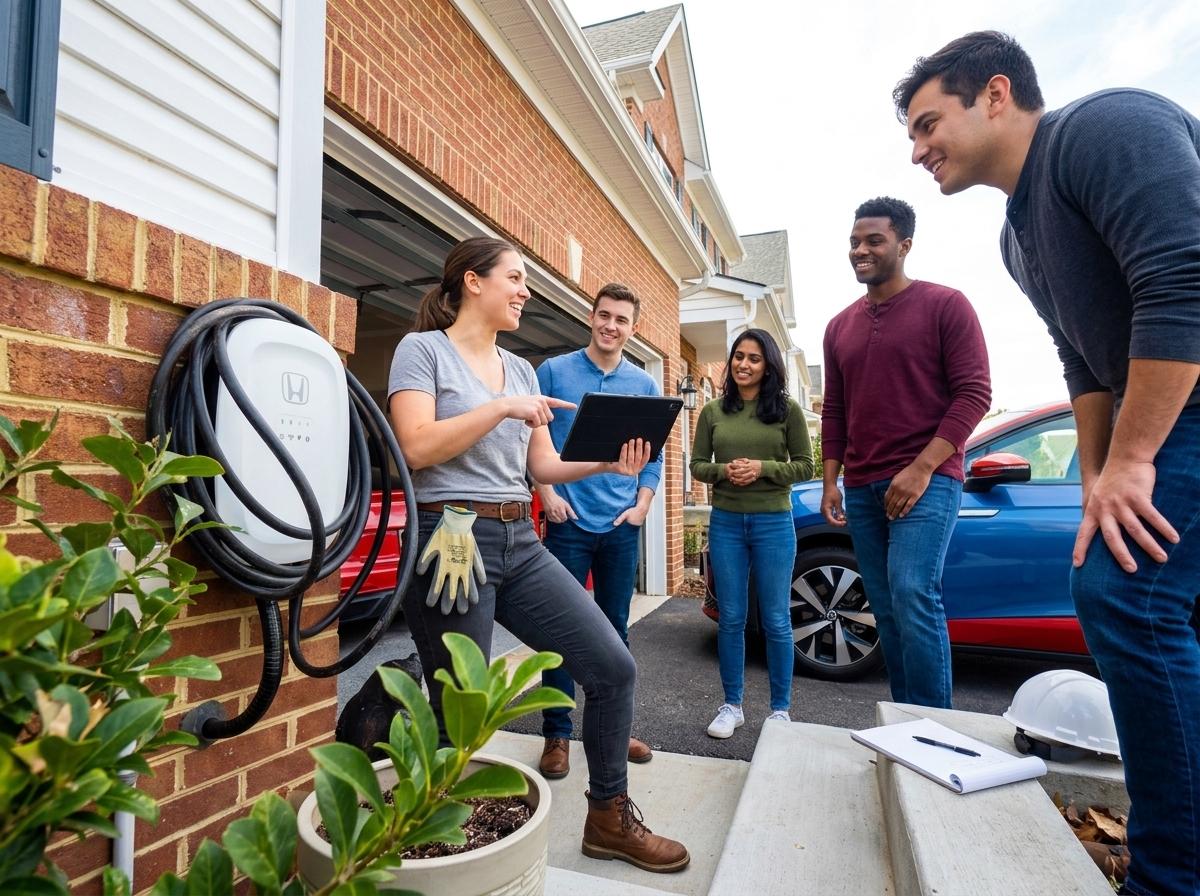
A seamless installation process ensures everything runs smoothly from start to finish, minimizing disruptions and ensuring satisfaction.
Site Evaluation and Custom Quote
A thorough site evaluation is the first step towards a successful installation. This involves an expert visiting your location to assess the electrical system and space. Based on this evaluation, you’ll receive a custom quote tailored to your specific needs.
This step is crucial as it helps identify potential challenges early. It ensures the installation process is efficient and cost-effective, providing a clear path forward.
Installation and Commissioning
The actual installation process is straightforward when handled by professionals. It involves setting up the charger and ensuring all electrical connections meet safety standards. Once installed, the system is commissioned to ensure it’s fully operational.
Professional installers guarantee that the setup is safe and adheres to all regulations. This process ensures your EV charger is ready to use without any hitches.
Post-Installation Support and Maintenance
Post-installation support is vital for long-term satisfaction. Regular maintenance checks ensure the system remains in good working condition. This includes monitoring the charger’s performance and addressing any issues promptly.
Having a reliable support system gives peace of mind. It ensures that your investment continues to provide value and meets your needs over time.
Frequently Asked Questions
What type of EV charger should I install at home?
The choice between Level 1 and Level 2 chargers depends on your charging needs and home electrical capacity. Level 2 chargers offer faster charging times but require a more powerful outlet.
Do I need a permit to install an EV charger in Virginia?
Yes, a permit is typically required. It’s best to consult with a professional installer who can guide you through the permitting process and ensure compliance with local regulations.
What are the benefits of commercial EV charging solutions?
Commercial EV charging can attract customers, enhance your business’s eco-friendly image, and provide a valuable service for employees and patrons. It may also qualify for incentives, reducing installation costs.
How can I ensure my electrical system can support an EV charger?
A load calculation performed by a qualified electrician can determine if your current system can handle an EV charger. If not, an electrical panel upgrade might be necessary.
Are there incentives for installing EV chargers in Virginia?
Yes, Virginia offers various incentives, including rebates and tax credits, to encourage EV charger installations. These can significantly reduce your overall costs.
Schedule your free site check.