
Most electrical panels weren’t designed with EV charging in mind. If your panel is near capacity, adding a Level 2 EV charger requires careful planning to avoid overloads and stay NEC code compliant. This guide walks you through safe options like load calculation, smart load management, and subpanel installation so you can add home or commercial EV charging without surprises. Learn more about planning your installation.
Understanding Electrical Panel Capacity
Navigating the world of EV charging starts with understanding your home’s electrical panel capacity. This is key to ensuring a safe and efficient charging setup.
Basics of Load Calculation
Load calculation helps determine if your panel can support an EV charger. It involves assessing the total electrical load your home currently uses. To start, list all major appliances and their power needs. This provides a baseline. Next, consider adding a Level 2 EV charger, which typically requires a 240V circuit. If your existing load plus the new charger exceeds your panel’s capacity, adjustments are necessary.
Identifying NEC Code Compliance
Staying compliant with the National Electrical Code (NEC) is crucial when adding an EV charger. The NEC outlines safety standards to prevent electrical hazards. Before installation, ensure your charger setup meets these guidelines. This might mean consulting an electrician to confirm your panel’s capacity and the charger’s compatibility. Failing to comply can lead to safety risks and legal issues.
Importance of Permit and Inspection
Securing a permit and having your installation inspected are essential steps. Permits ensure local authorities oversee your installation, aligning with safety standards. An inspection verifies everything is installed correctly. Ignoring this step can result in fines and safety hazards. It ensures peace of mind, knowing your setup is both safe and legal.
Solutions for Limited Panel Capacity
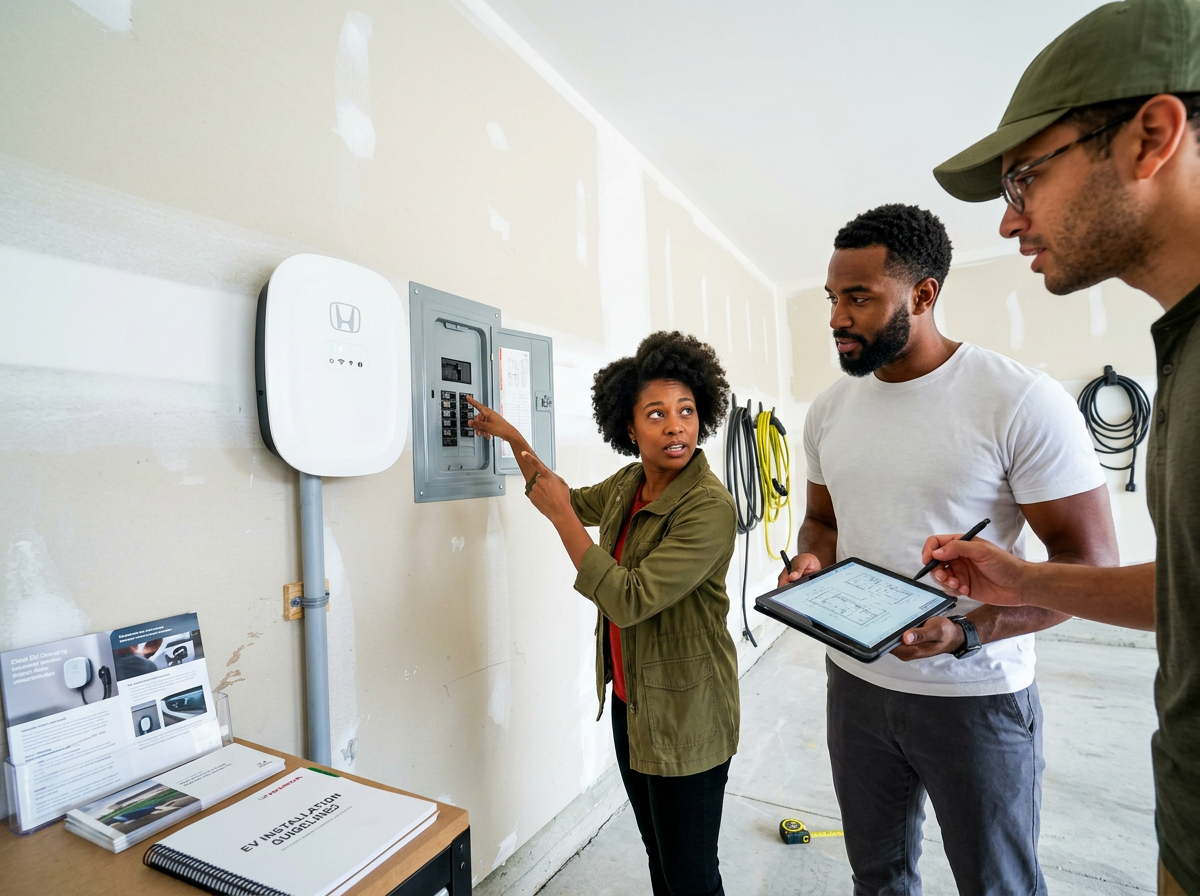
If your panel is near its limit, don’t worry. There are smart solutions to add an EV charger without overloading your system.
Smart Load Management Techniques
Smart load management allows you to balance electrical loads efficiently. By using a smart charging system, you can prioritize power to your EV charger only when other appliances aren’t in use. This prevents overloads and optimizes existing capacity. For example, charging your EV at night when usage is lower can be an effective strategy.
Installing a Subpanel
For those needing extra capacity, installing a subpanel is a viable option. A subpanel provides additional circuit slots for your EV charger. This approach is ideal if your main panel is full but still has some reserve capacity. A qualified electrician can assess whether this solution suits your specific situation.
Considering a Full Panel Upgrade
In some cases, a full panel upgrade may be necessary. This involves replacing your current panel with one that has a higher capacity. While this option is more costly, it provides ample space for future electrical needs, including additional EV chargers or other appliances. Ensure this upgrade is performed by a licensed professional to guarantee safety and compliance.
Seamless EV Installation Process
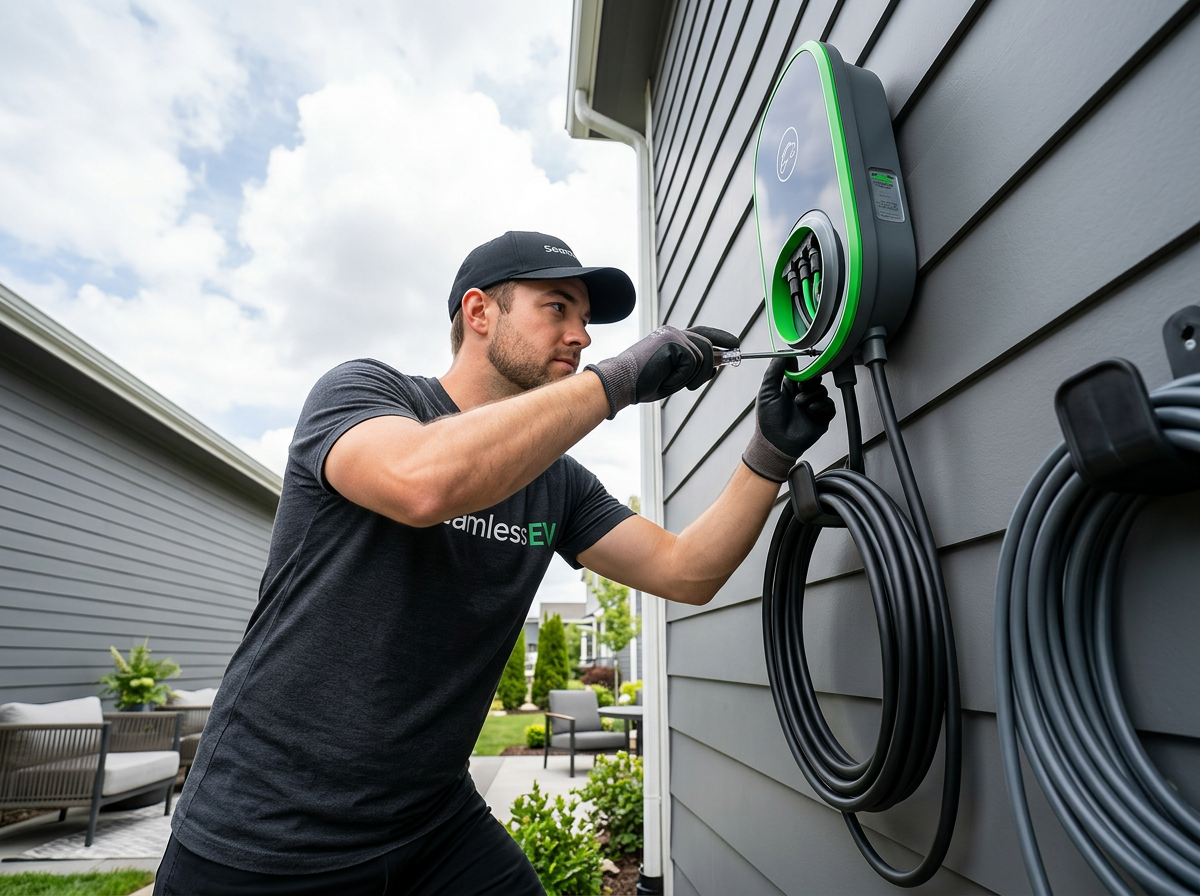
Our process ensures your EV charger installation is as smooth as possible, fitting seamlessly into your home’s electrical setup.
Site Evaluation and Capacity Confirmation
The first step is a thorough site evaluation. Our experts assess your current panel’s capacity and determine the best installation approach. This evaluation helps confirm if your home can support an EV charger or if modifications like a subpanel or panel upgrade are needed.
Personalized Installation Plan and Quote
After evaluation, we provide a personalized installation plan and quote tailored to your specific needs. This plan outlines the necessary steps, costs, and timelines. It ensures transparency and helps you understand the entire process, from start to finish.
Priority Scheduling in Northern Virginia, MD, and DC
With our priority scheduling, your installation is completed promptly, minimizing wait times. We serve Northern Virginia, Maryland, and Washington DC, ensuring your EV charging needs are met efficiently. Our team’s expertise guarantees a reliable, hassle-free installation process.
Frequently Asked Questions
What is a load calculation, and why is it important?
A load calculation determines if your electrical panel can handle additional appliances like an EV charger. It’s vital to prevent overloads and ensure safe operation.
Do I need a permit for installing an EV charger?
Yes, a permit is required for installing an EV charger. It ensures the installation complies with local safety standards and is inspected by authorities.
Can I install a subpanel myself?
Installing a subpanel involves complex electrical work and should be done by a licensed electrician to ensure safety and compliance with regulations.
What if my electrical panel is full?
If your panel is full, options include smart load management, installing a subpanel, or upgrading your panel to support additional capacity.
Will my installation be compliant with NEC codes?
Yes, our installations are conducted in compliance with NEC codes, ensuring safety and reliability. Our team is trained to meet all regulatory standards.
Schedule your free site check.