Your electrical panel is nearly full, but you want to add a Level 2 EV charger. This challenge is common in Northern Virginia homes and businesses upgrading to electric vehicles. Planning the right EV charger installation means understanding your panel’s capacity and exploring options like load calculation, subpanels, or upgrades. Read on to learn how to prepare your electrical system and schedule a professional site evaluation with Seamless EV.
Understanding Your Electrical Panel Capacity
Before diving into installation, you need to know if your panel can handle an EV charger. This section explains how to assess your panel’s limits and identify possible constraints.
Assessing Load Limits
The first step is checking your panel’s load limits. This means understanding the total power your home uses. Most homes have a 100 or 200 amp panel. If your home is always using close to this amount, it could mean trouble when adding new devices. You can find your panel’s capacity on the main breaker.
Your panel’s capacity is not just about numbers. It also involves checking what is plugged in and when. For example, running a dryer, oven, and EV charger together could exceed your limit. Here’s a quick insight: The average home with a 100-amp panel uses about 60-80 amps with everything running. Think of it as a pie. If it’s full, you can’t add more without cutting other pieces smaller.
NEC 220 Load Calculation Basics
The National Electrical Code (NEC) 220 provides guidelines for calculating loads. This helps ensure your setup is safe. Load calculation involves adding up the wattage of all your devices and appliances. For instance, a dryer might use 4,500 watts, and a Level 2 EV charger uses around 7,200 watts.
Understanding these numbers helps you plan better. If your total wattage is too high, you might face issues. A key takeaway is to use these calculations as a guide, not a rule. The NEC 220 helps prevent overloads and keeps your home safe from electrical fires.
Recognizing Capacity Constraints
Recognizing limitations early can save you a headache later. If your panel is near its capacity, you need to weigh options. Signs of constraints include frequent breaker trips or dimming lights when many devices are on.
These are signals that your panel is working hard. Over time, this can affect the efficiency and safety of your electrical system. Remember, safety is a priority. If you’re noticing these issues, it might be time to upgrade or consider other solutions.
Options for EV Charger Installation
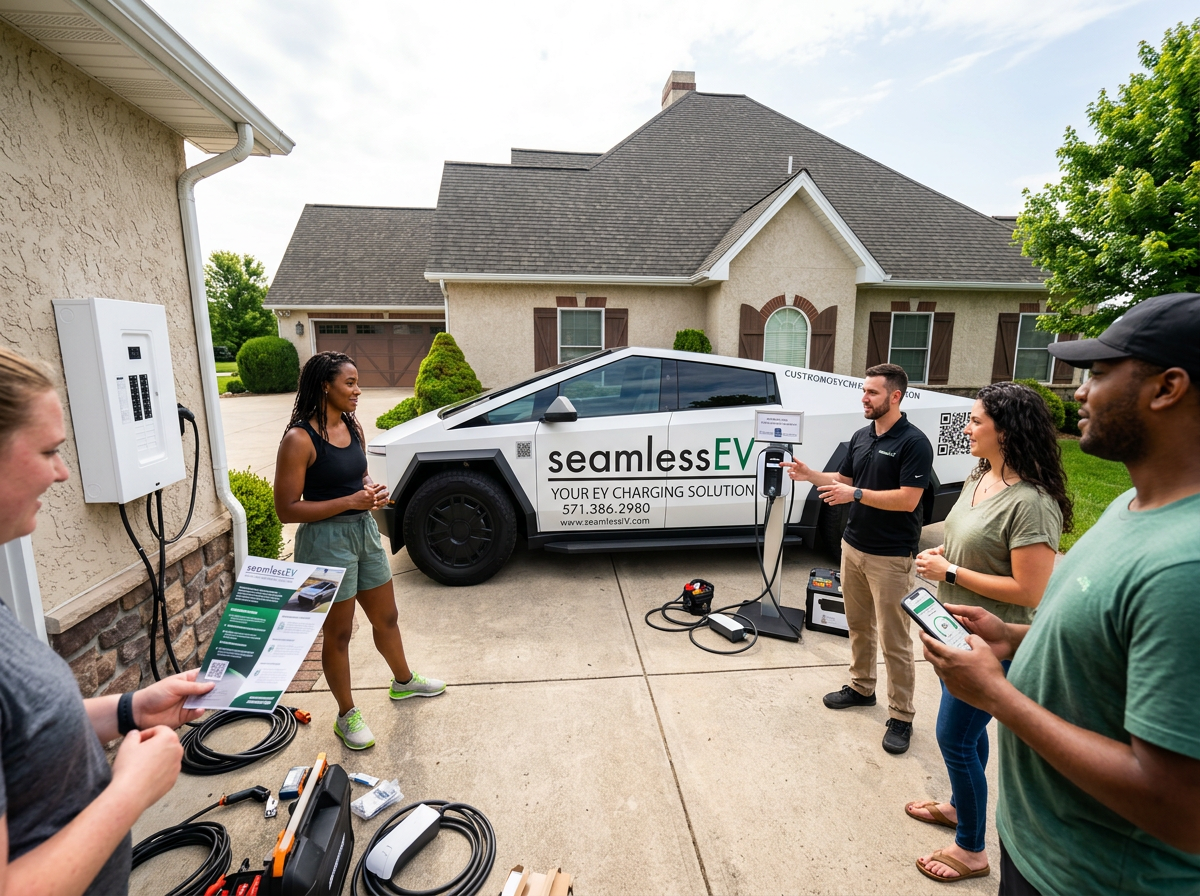
Once you’ve assessed your capacity, it’s time to explore installation options. Whether you manage the current load or upgrade your panel, knowing your options is crucial.
Load Management Strategies
Managing your load can prevent the need for costly upgrades. One way is to stagger when appliances run. For instance, charge your EV overnight when other appliances are off. This can prevent overloads without extra costs.
Another strategy is using a smart EV charger. These devices can adjust charging speeds based on your current power use. This ensures your home stays within safe limits. Smart chargers not only protect your home but also optimize energy use, saving you money.
Upgrading Your Electrical Panel
If managing your load isn’t enough, upgrading might be necessary. This involves increasing your panel’s amperage, allowing it to handle more devices. A common upgrade is moving from 100 amps to 200 amps.
This requires a licensed electrician and may involve additional costs, like permits. Upgrading offers peace of mind and future-proofs your home for more devices. If you’re considering this path, check out these tips on whether an upgrade is needed here.
Adding a Subpanel for EV Charging
Adding a subpanel is another option. This panel splits the electrical load, providing dedicated circuits for specific devices. It’s a great choice if your main panel is full but you need more capacity.
Subpanels don’t increase the main panel’s capacity but help distribute power better. This can be a cost-effective solution without a full upgrade. Consider this option if you plan to add more devices in the future. Learn more about what size electrical panel you might need here.
Scheduling a Professional Evaluation
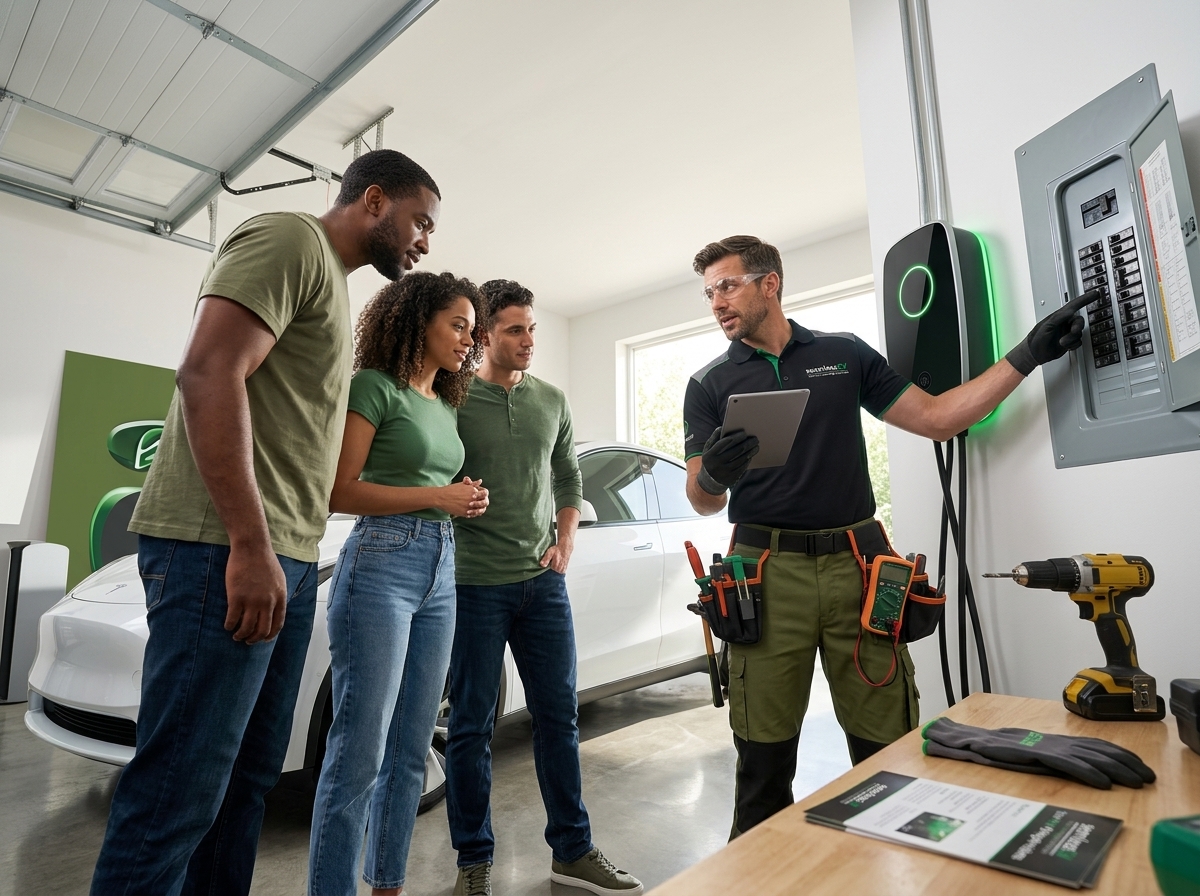
After exploring options, a professional evaluation can provide clarity. It’s important to know your exact needs before making decisions.
Importance of Expert Assessment
An expert evaluation ensures you choose the right solution. Professionals can spot issues you might miss and suggest the best course of action. They assess your panel’s current state and predict future needs.
Most people think they can handle this alone, but an expert brings peace of mind and accuracy. This assessment is crucial, especially if you’re unsure about your panel’s capacity or future plans.
Services Provided by Seamless EV
Seamless EV offers comprehensive services from start to finish. They handle everything: initial assessments, site checks, and final installations. Their goal is to make the process hassle-free.
Their team provides expert guidance on selecting the right charger and ensures everything meets safety standards. Seamless EV is a trusted name in Northern Virginia for EV charger installations, offering solutions tailored to your needs.
Booking Your Consultation Today
The longer you wait, the more you risk potential issues with your electrical system. Scheduling a consultation can save you time and stress. Seamless EV is ready to assist you.
Contact them today to book your evaluation and start your journey to a more efficient electrical setup. A seamless experience awaits you with expert guidance and quality assurance from start to finish.
Schedule your free site check.