Your electrical panel is almost full, but you want to add an EV charger at your home or business in Northern Virginia. This situation is common, yet it demands careful planning to avoid overload and stay code-compliant. You’ll learn clear steps for load calculation, smart load management, and whether a subpanel or panel upgrade suits your setup best. Keep reading to get practical advice on EV charger installation Northern Virginia and how to prepare for a smooth, safe upgrade. For more detailed guidance, check out this resource.
Planning Your EV Charger Install
Assessing Electrical Panel Capacity
First, you need to know if your electrical panel can handle a new EV charger. Start by checking the panel’s current load. Overloading can cause tripped breakers or worse. You’ll want to ensure that your system can safely support your charging needs without exceeding its capacity.
Examine the amperage rating on your main electrical panel. Most homes have 100-amp or 200-amp panels. If you’re not sure, consult an electrician. They can help you analyze your panel and determine if an upgrade is necessary. This step ensures you can proceed with confidence, knowing your home’s electrical system can support an EV charger.
Choosing Load Management Solutions
When your panel is near capacity, smart load management is essential. Devices such as an EV load management device or a smart splitter can help you manage your energy use. These tools balance the load between your EV charger and other household appliances, preventing overload.
Consider installing a dedicated 240V circuit for your EV charger. This setup allows for efficient power use, especially if you opt for a Level 2 charger. Many homeowners find that these solutions provide the flexibility needed to manage their energy usage effectively.
Understanding Permit and Code Requirements
It’s crucial to understand the permit and code requirements for your EV charger installation. Familiarize yourself with NEC 625 and other local regulations. These codes ensure that your installation meets safety standards and is compliant with legal requirements.
In Northern Virginia, as well as in Maryland and DC, obtaining permits may involve submitting load calculations and electrical plans. It’s wise to consult with professionals who know the local codes and can guide you through this process. This step reduces roadblocks and ensures a smooth installation process.
Safe Installation Options
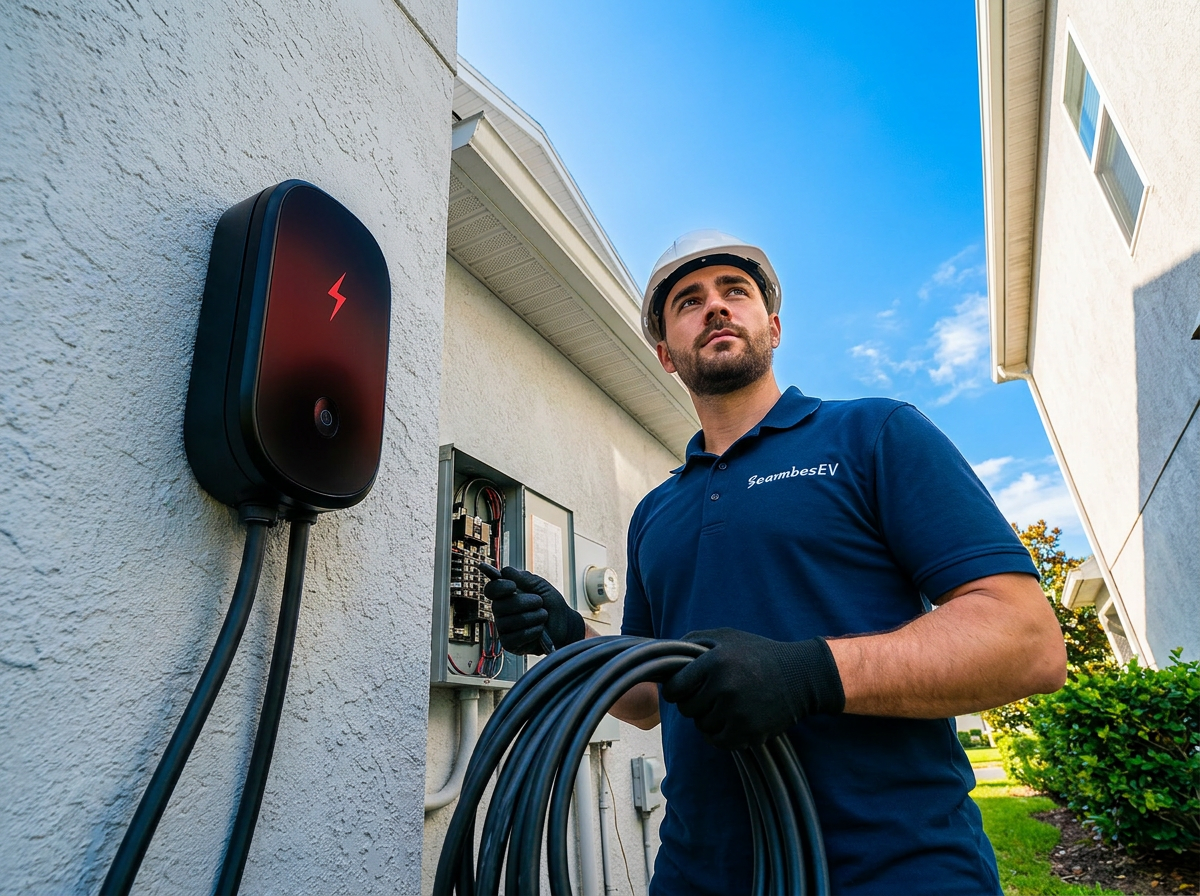
Load Calculation and Management
Load calculation is vital to prevent overloading your system. Use the load calculation NEC 220 method to assess your current electrical usage. This calculation helps determine if you need a panel upgrade or if a subpanel will suffice.
Effective load management is key. Consider using smart home technology to automate energy use. This approach not only saves energy but also extends the life of your appliances. Managing your load smartly ensures your home remains safe and efficient.
Subpanel or Panel Upgrade
If your panel is maxed out, installing a subpanel might be the solution. A subpanel can distribute power to specific areas or devices, like your EV charger. It’s a cost-effective way to expand your electrical capacity without a full upgrade.
Sometimes, a panel upgrade is necessary. A new 200-amp panel provides more capacity for your EV charging needs and future-proofing your home. Check out this guide to learn more about panel upgrades.
Exploring Level 1 and Level 2 Options
Choosing between Level 1 and Level 2 chargers depends on your needs. Level 1 chargers use a standard 120V outlet and are ideal for overnight charging. They’re perfect for those who drive less frequently.
Level 2 chargers require a 240V outlet and charge faster, making them ideal for daily use. They are more efficient and can save time for busy homeowners. Consider your driving habits and electrical setup when deciding which option is best for you.
Schedule Your Site Evaluation
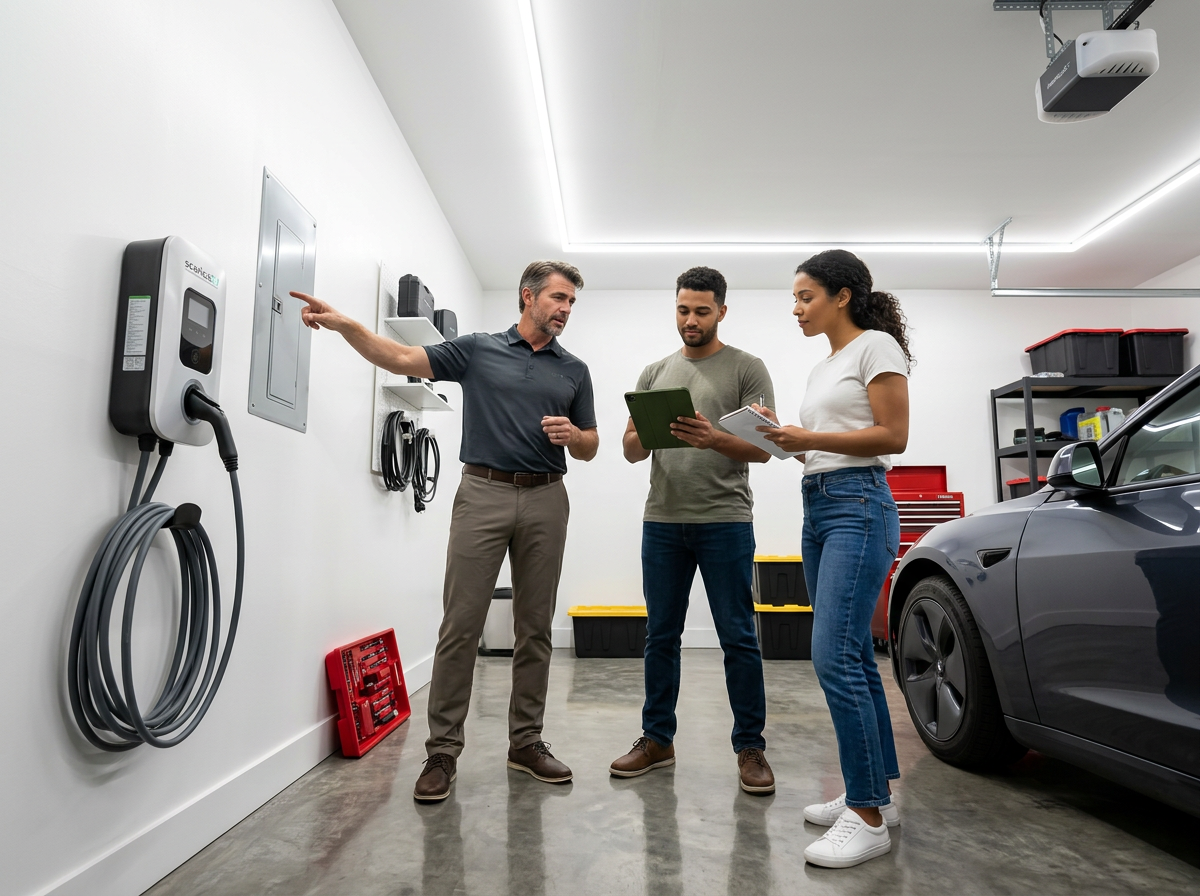
Benefits of Professional Installation
Hiring a professional for your EV charger installation offers many benefits. Experts ensure that your setup is safe, compliant, and efficient. They have the experience needed to handle unexpected challenges, saving you time and stress.
Professionals can also provide valuable advice on managing your electrical load and choosing the right equipment. This expertise ensures your charging station meets your needs and fits your home’s electrical capacity.
Requesting a Seamless EV Quote
Start your journey to seamless EV charging by requesting a quote. A detailed quote gives you an idea of the costs and steps involved. It also provides transparency, preventing unwelcome surprises later.
A Seamless EV site evaluation helps finalize your installation plan. Experts assess your electrical system, recommend solutions, and guide you through the permit process. This service ensures a hassle-free experience from start to finish.
Ensuring a Code-Compliant Plan
Ensuring your EV charger setup is code-compliant is crucial for safety and legality. Work with professionals who understand local codes and can guarantee compliance. They help you navigate the complexities of permitting and installation.
A code-compliant plan provides peace of mind, knowing your system is safe and efficient. It also protects your investment in your home and EV charging infrastructure.
Frequently Asked Questions
What is load management in EV charging?
Load management involves balancing your home’s energy use to prevent system overload. It ensures that your EV charging doesn’t exceed your electrical capacity, using devices like smart splitters or load management systems.
Do I need a permit for EV charger installation?
Yes, in most areas, including Northern Virginia, Maryland, and DC, a permit is required. Permits ensure installations meet safety and code requirements. It’s wise to consult professionals who can handle the permit process for you.
What is the difference between Level 1 and Level 2 chargers?
Level 1 chargers use a standard 120V outlet and are suitable for overnight charging. Level 2 chargers require a 240V outlet and charge much faster, ideal for daily use. Your choice depends on your driving habits and electrical setup.
Can I install an EV charger myself?
While it’s possible, it’s not recommended due to safety and compliance concerns. Professional installers ensure your setup meets all safety and code requirements, providing peace of mind and efficiency.
What should I consider when planning an EV charger installation?
Evaluate your electrical panel capacity, choose the right load management solutions, and ensure you understand permit and code requirements. Consulting with a professional helps streamline the process and ensures a safe, compliant installation.
Schedule your free site check.