Many Northern Virginia homes and businesses rush into installing Level 2 EV chargers without checking key details first. Overlooking permits, electrical load, or code requirements can cause costly delays. This checklist covers what you need to verify before your Level 2 EV charger installation Northern Virginia, so your project moves smoothly and meets all local rules.
Understanding Your Electrical System
Before diving into the installation process, it’s crucial to have a solid grasp of your electrical system. Knowing your home’s capacity ensures that your installation won’t lead to overloaded circuits or unexpected disruptions.
Electrical Load Calculation
Calculating your home’s electrical load is the first step. You need to determine if your current system can handle the additional demand of a Level 2 EV charger. Most homes are equipped to manage a limited load, and adding an EV charger could tip the balance. Start by examining your electrical panel and listing all major appliances and their energy needs. Then, compare this total with your panel’s capacity, usually found in amps. If your system is near its limit, steps are needed to avoid overloading. Consulting an EV charging electrician in Fairfax County can help pinpoint any potential issues early.
Panel Upgrade for EV Charging
If your calculations reveal that your current system can’t support a new charger, a panel upgrade may be necessary. This upgrade involves replacing your existing panel with one that has a higher capacity. While this might seem daunting, it’s a vital step to ensure safety and efficiency. Upgrading your panel can also future-proof your home for additional electrical needs. To determine the exact requirements, it’s wise to work with a professional who specializes in home EV charger installation in NOVA. They can provide guidance on what panel size suits your household’s needs.
Preparing for Installation
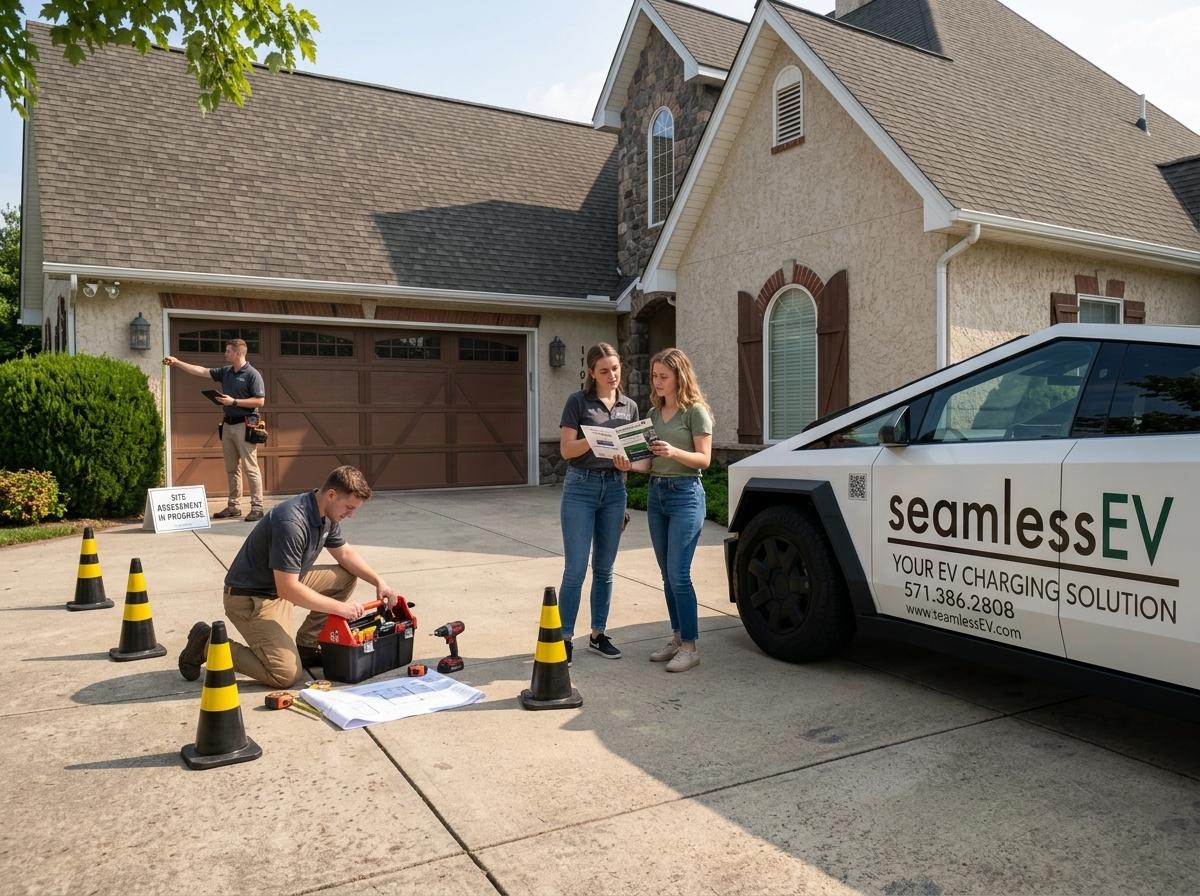
Once your electrical system is ready, the next step involves selecting the right equipment and setup for your charger. This choice impacts performance and convenience.
Choosing Between NEMA 14-50 and Hardwired
Choosing the right connection type is crucial. You might opt for a NEMA 14-50 outlet, which is a common choice due to its ease of installation and flexibility. It allows you to simply plug in your charger, making it an excellent option for those who might move or upgrade equipment in the future. Alternatively, a hardwired connection offers a more permanent solution, often preferred for its sleek look and reduced risk of accidental disconnection. Your decision should consider factors like your long-term plans and whether you prefer a more permanent installation.
Selecting the Right Charger Enclosure
The environment where your charger will be placed determines the type of enclosure you need. The enclosure protects the charger from weather and external damage. A NEMA 3R enclosure is suitable for most outdoor installations, providing protection against rain and ice. For harsher conditions, a NEMA 4 enclosure offers superior defense against moisture and dust. Assess your setup location and choose an enclosure that ensures durability and longevity.
Navigating Local Regulations
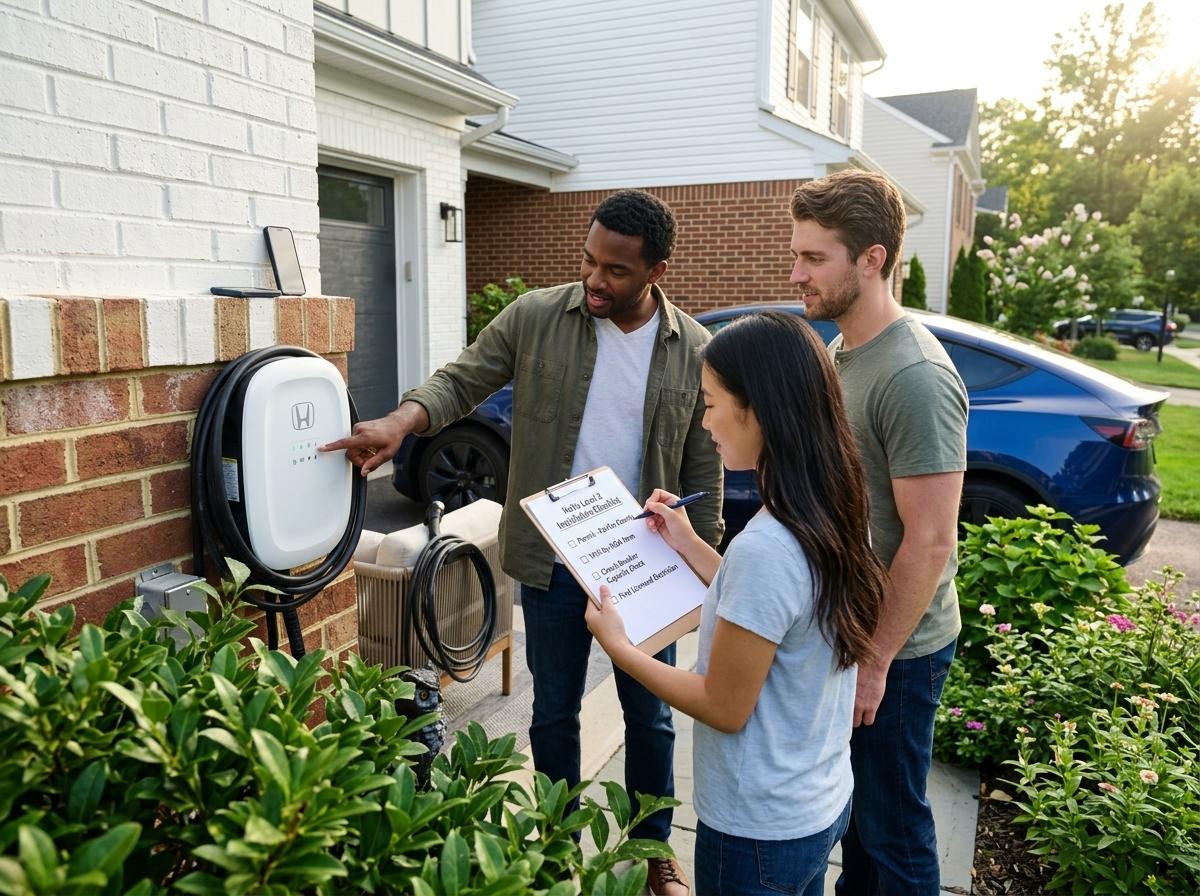
Understanding and complying with local regulations is vital to avoid unnecessary delays and fines. Each area has specific rules and requirements for EV installations.
Loudoun County EV Charger Permit
In Loudoun County, obtaining the proper permit is a mandatory step. This ensures that your installation meets local safety standards and regulations. Contacting the local building department is the first move. They’ll provide guidance on required documentation and fees. Failing to secure a permit can lead to fines or having to redo the installation. So, it’s best to get this in order before proceeding with any electrical work.
NEC 2023 EVSE Code Requirements
Staying updated with the latest code requirements is essential. The NEC 2023 standards set the benchmark for EV charger installations. They cover aspects like circuit protection, grounding, and GFCI protection for EVSE. Familiarizing yourself with these codes ensures that your setup is both safe and compliant. Working with a knowledgeable installer who understands these requirements can provide peace of mind and a smooth installation process.
Frequently Asked Questions
What is the difference between a NEMA 14-50 outlet and a hardwired EV charger?
A NEMA 14-50 outlet allows you to plug in your charger like an appliance, offering flexibility and ease of use. A hardwired charger is permanently connected to your electrical system, providing a seamless look and reducing the risk of accidental unplugging.
Why do I need to calculate my home’s electrical load before installing an EV charger?
Calculating your home’s load ensures your electrical system can handle the added demand of a charger. This prevents overloads that could lead to electrical failures or hazards.
Do I need a permit to install an EV charger in Loudoun County?
Yes, a permit is required. It ensures your installation meets local safety and building codes, preventing legal issues and ensuring safety.
What are the NEC 2023 EVSE code requirements?
These codes set standards for safe EV charger installations, including circuit protection, grounding, and GFCI requirements. Compliance ensures safety and reliability.
How do I know if I need a panel upgrade for my EV charger?
You’ll need an upgrade if your current panel can’t accommodate the additional load of a Level 2 charger. A professional can assess your system and recommend the best course of action.
Schedule your free site check.