Maximize Your Home Electrical System for Efficient EV Charging in Northern Virginia
Most homes in Northern Virginia were never built for Level 2 EV charging. Trying to add a 240V circuit without checking your panel’s capacity can lead to tripped breakers or worse. This guide breaks down load calculation NEC 220, panel upgrades, and smart load management so your home EV charging works safely and reliably. Read on to learn how to prepare your electrical system and schedule a professional site evaluation with Seamless EV. For more information, check this guide.
Assessing Your Electrical Capacity
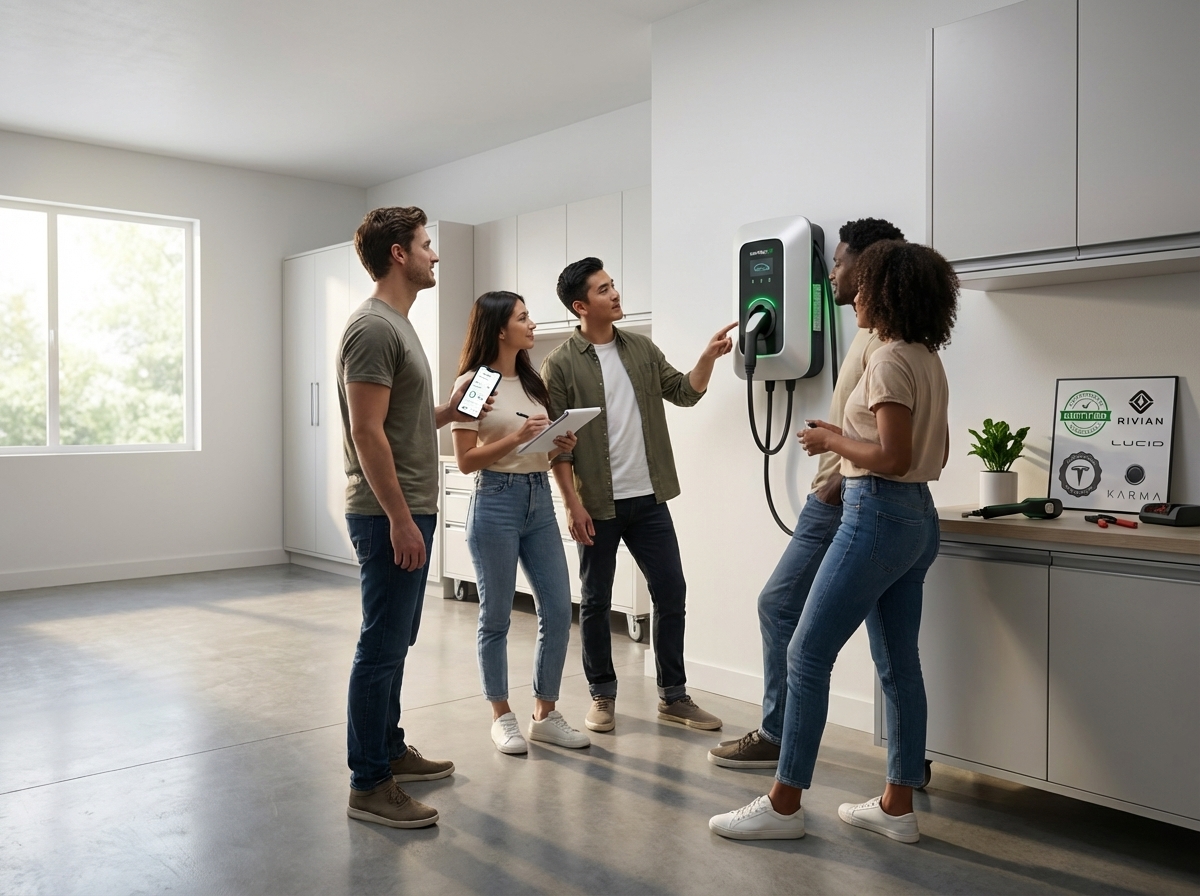
Understanding your home’s electrical capacity is the first step toward efficient EV charging. Grasping this concept ensures your setup is safe and functional.
Level 1 vs Level 2 Charging
Choosing between Level 1 and Level 2 charging depends on your driving habits and electrical setup. Level 1 chargers use a standard 120V outlet, providing a slow charge. This might be ideal for those with shorter commutes, as charging overnight is usually sufficient.
On the other hand, Level 2 chargers require a 240V outlet, offering faster charging speeds. This option is perfect for those who drive long distances daily or need frequent charging. Knowing the difference helps you decide which fits your lifestyle best, saving time and energy in the long run.
Conducting Load Calculations (NEC 220)
Before installing a Level 2 charger, it’s crucial to perform load calculations. This process ensures your electrical system can handle the added demand. The National Electrical Code (NEC) 220 provides guidelines for these calculations.
Here’s how it works:
-
Identify existing loads: Include appliances like air conditioning, heating, and kitchen equipment.
-
Assess future loads: Factor in the EV charger and any planned home additions.
-
Calculate total demand: Use NEC 220 to determine if your system can support additional loads.
Accurate calculations prevent overloading, saving you from costly repairs and potential hazards.
Evaluating Your Electrical Panel
Your electrical panel is the heart of your home’s electrical system. Evaluating its capacity is essential before adding any new circuits. To start, check the panel’s amperage rating. Most homes have 100 to 200-amp panels. For a Level 2 charger, a 200-amp panel is often recommended.
Next, examine available circuit slots. If space is limited, a panel upgrade might be necessary. This ensures your system can handle the increased load without tripping breakers. Consulting with a professional can clarify your panel’s capacity and need for upgrades.
Upgrading for Optimal Charging
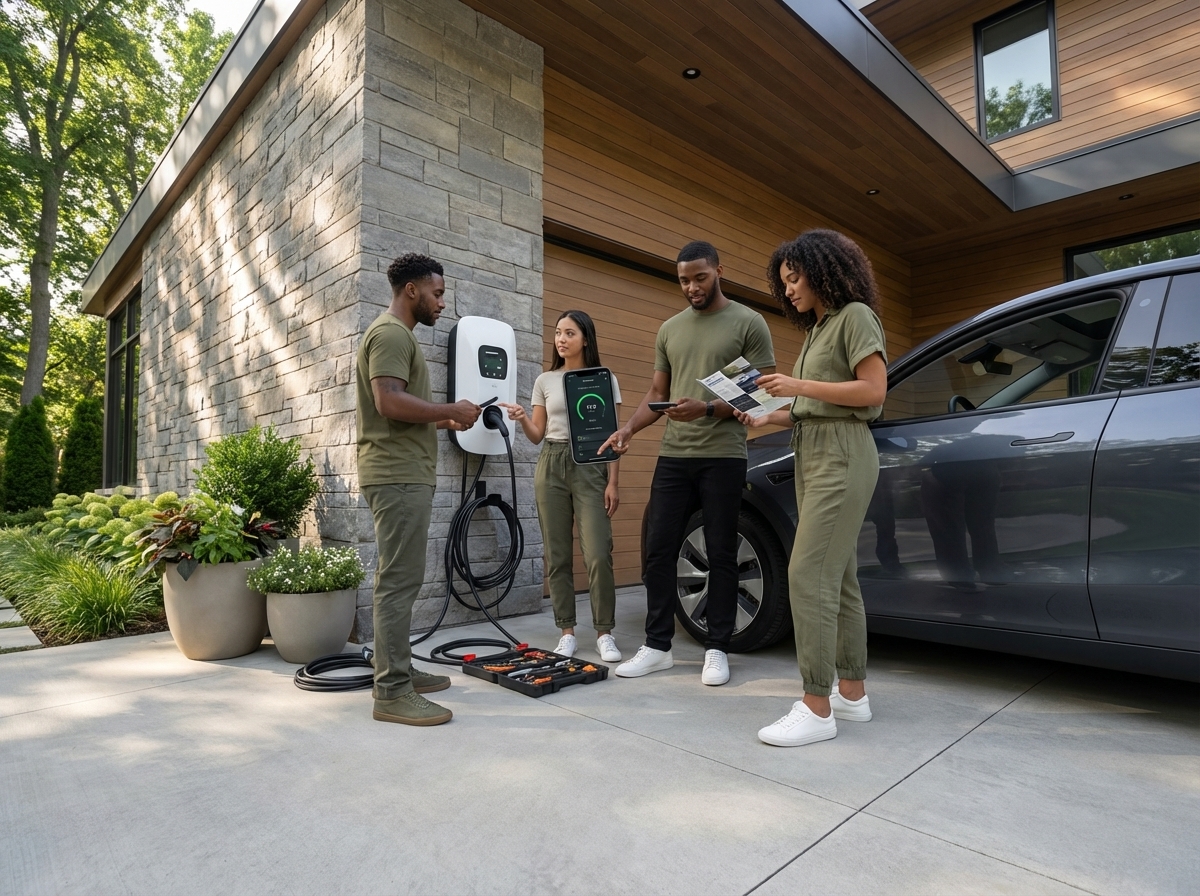
When your current system falls short, upgrading your electrical setup is key to optimal charging. Let’s explore the options available.
Panel and Service Upgrades
A panel upgrade might be needed if your existing panel can’t support a Level 2 charger. Upgrading increases capacity, accommodating new circuits and preventing overloads. This process often involves installing a larger panel or upgrading the existing one.
Service upgrades might also be required. This involves increasing the main electrical supply to your home, ensuring it can handle additional demand. These upgrades enhance your system’s capability, allowing for safe and efficient charging.
Installing 240V Circuits for EVs
Adding a 240V circuit is essential for Level 2 charging. This requires running a dedicated line from your panel to the charging location. Hiring a professional ensures the installation meets local codes and standards.
A proper installation includes:
-
NEMA 14-50 outlet: A common choice for home chargers.
-
Dedicated circuit: Prevents interference with other electrical appliances.
-
Proper placement: Ensures convenience and accessibility for your EV.
Properly installed circuits ensure reliable power delivery, enhancing your charging setup’s efficiency.
Smart Load Management Solutions
Smart load management optimizes your electrical usage, allowing multiple devices to share power efficiently. This solution is beneficial when your panel capacity is limited, as it dynamically adjusts the load to prevent overloads.
These systems prioritize circuits based on demand, ensuring critical devices receive power first. Implementing smart load management can postpone the need for panel upgrades, offering flexibility and cost savings.
Professional Installation and Compliance
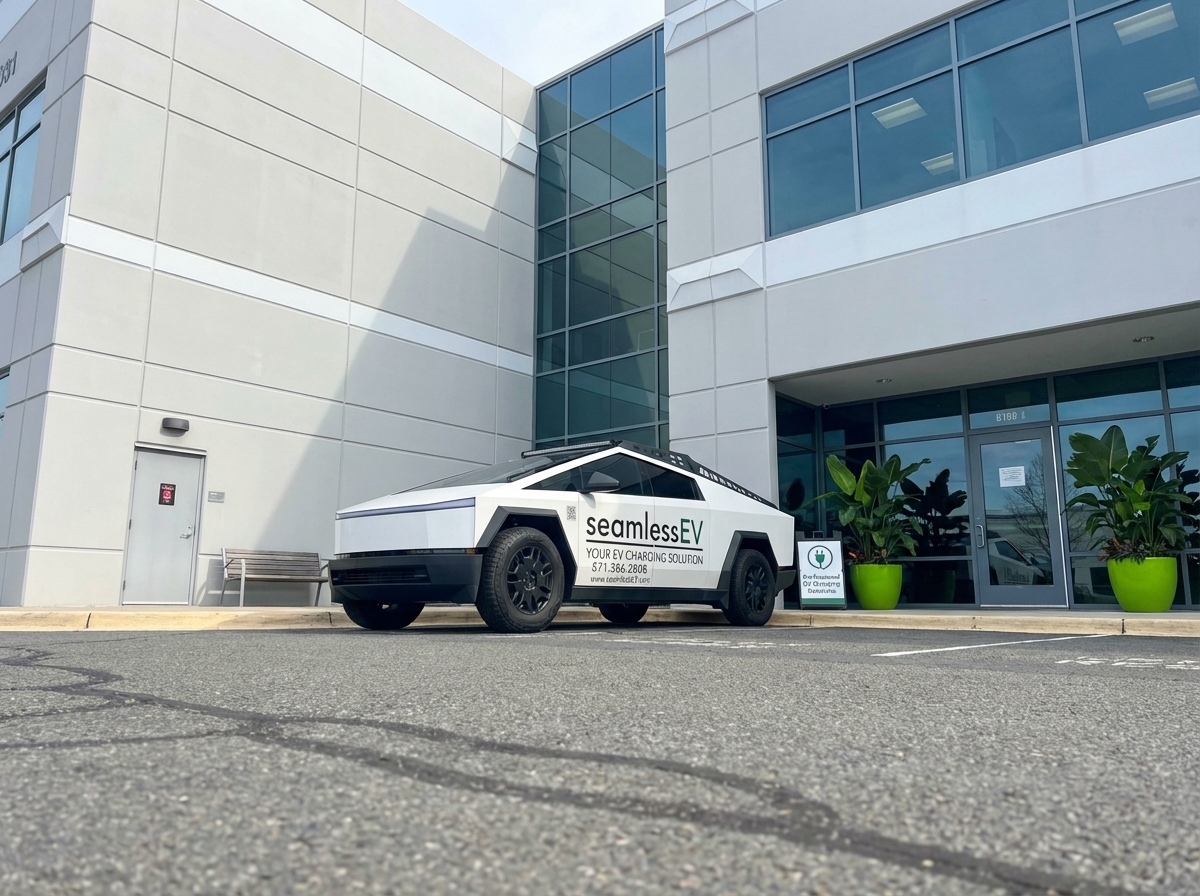
Ensuring your EV charger installation complies with local regulations is crucial for safety and efficiency. Here’s what you need to know.
Permit and Inspection Procedures
Before installation, securing the necessary permits is essential. This process involves submitting plans to your local authority, detailing the work to be done. Once approved, installation can proceed.
Post-installation, an inspection ensures compliance with local codes and standards. This step is vital for safety and legality. Working with a professional installer streamlines the process, ensuring all requirements are met.
Safe EV Charger Setup and Commissioning
A safe setup involves more than just installing hardware. It requires proper commissioning, which includes testing the charger and ensuring it’s functioning correctly. This step verifies that all connections are secure and the system operates safely.
Professional installers bring expertise, ensuring your setup is safe and reliable. This peace of mind is invaluable, knowing your system meets all safety standards.
Navigating EV Charging Rebates
Many regions offer rebates for installing EV chargers at home. These incentives can significantly reduce installation costs. Navigating these programs requires understanding the eligibility criteria and application process.
For instance, some rebates cover a portion of the installation cost, while others offer a flat rate. Researching available options and applying on time can maximize savings. Consulting with a professional can help identify eligible programs, ensuring you take full advantage of available incentives.
In summary, assessing and upgrading your electrical system is crucial for safe and efficient home EV charging. While there’s a lot to consider, partnering with experts like Seamless EV simplifies the process, ensuring a smooth transition to electric driving.
Schedule your free site check.