
Level 2 EV Charger Installation in Northern Virginia: Do You Need an Electrical Upgrade?
Planning a Level 2 EV charger installation in Northern Virginia? Before you plug in, your home or business electrical system might need an upgrade to handle the extra load safely and meet code requirements. From panel upgrades to dedicated 240V circuits, knowing what’s involved can save you time and unexpected costs. Read on to learn the key electrical steps to prepare for your Level 2 EV charger Northern Virginia installation with Seamless EV. For more information, check out Electric Vehicles in Northern Virginia.
Understanding Electrical Upgrades for EV Chargers
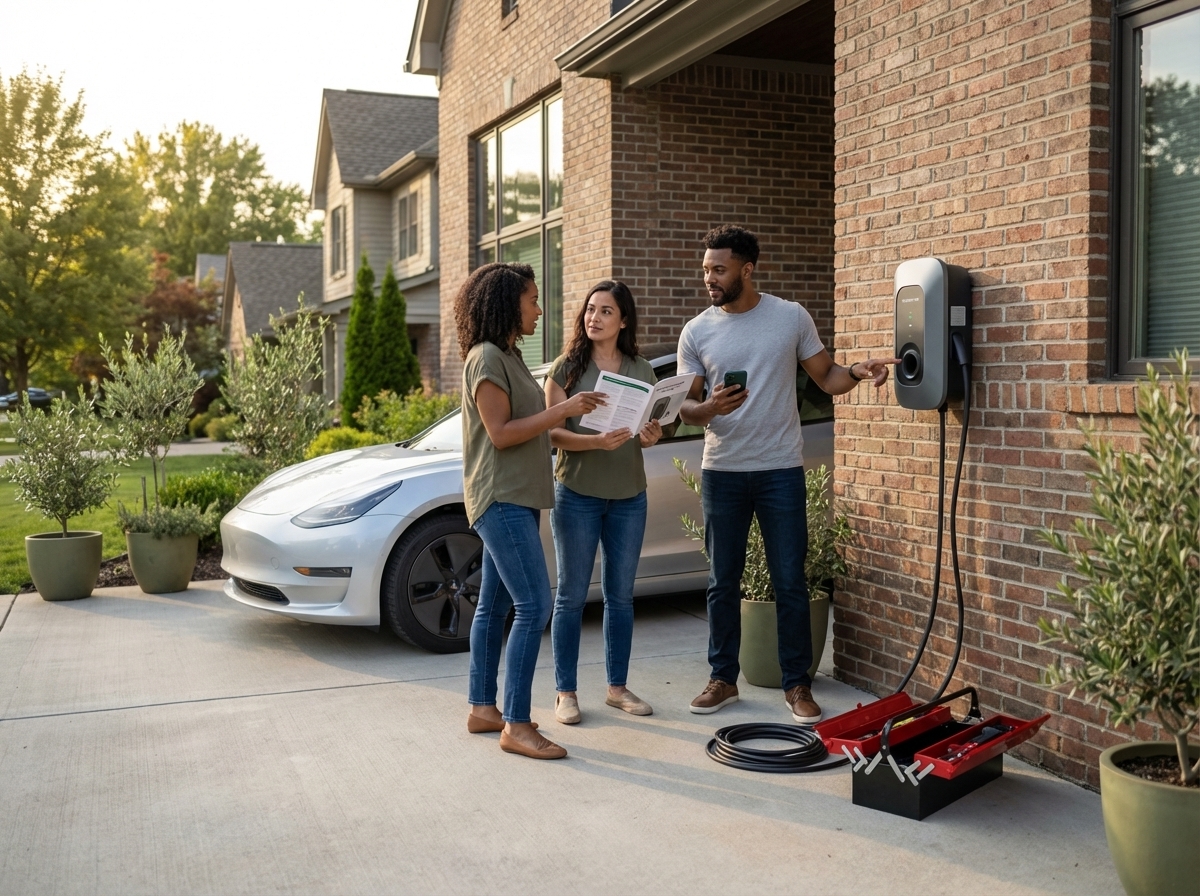
Upgrading your home’s electrical system for a Level 2 EV charger is crucial for safe and efficient charging. The first step is understanding the electrical upgrades required.
Load Calculation for EV Chargers
Before installing a Level 2 charger, you must calculate your home’s electrical load. This helps determine if your current system can handle the additional demand. You’ll need to assess the existing appliances and devices that consume electricity.
-
Calculate total load: Add up the wattage of all devices and appliances.
-
Understand available capacity: Compare this to your service panel’s capacity, typically measured in amps.
If your total usage nears your panel’s limit, an upgrade might be necessary. This ensures your system can handle the load without tripping breakers or causing other issues. Most people think they can add a charger without checking, but this step is critical to avoid overloading your system.
Panel Upgrade for Level 2 Chargers
Your electrical panel may need an upgrade to support a Level 2 charger. This often involves increasing the amperage to accommodate the additional load.
-
Consider a 200 amp service upgrade: This is common for homes adding high-demand devices like EV chargers.
-
Consult a professional: An experienced electrician can help you assess your needs and recommend the best solution.
A panel upgrade ensures your system runs smoothly and safely. Ignoring this step can lead to potential safety hazards, such as overheating wires. If you’re unsure about your panel’s capacity, a consultation with an expert can provide clarity and peace of mind.
Installation Process for Level 2 EV Chargers
Once you’ve determined the necessary upgrades, it’s time to dive into the installation process for Level 2 EV chargers. This involves setting up a dedicated circuit and choosing the right connection type.
Dedicated 240V Circuit Design
A dedicated 240V circuit is essential for a Level 2 charger. This circuit supports the high power demands of EV charging without affecting the rest of your home’s electrical system.
-
Design a separate circuit: This prevents power interruptions to other appliances.
-
Install a GFCI breaker: This adds a layer of protection against electrical faults.
Some people think they can use existing circuits, but a dedicated one ensures optimal performance and safety. A well-designed circuit can enhance charging efficiency and minimize potential risks.
NEMA 14-50 vs Hardwired Options
When setting up your charger, you have two main options: NEMA 14-50 outlets or hardwiring. Each has its pros and cons, depending on your needs.
-
NEMA 14-50 outlets are versatile and allow easy plugging and unplugging of the charger.
-
Hardwired connections offer a more permanent setup, reducing the risk of disconnections.
Choosing between these options depends on your preference for flexibility or permanence. Evaluate your charging habits to select the best fit for your home. A professional installer can guide you through the decision-making process, ensuring you get the optimal setup.
Ensuring Compliance and Safety
Compliance with regulations and safety standards is a must for EV charger installations. This ensures not only legality but also the safety of your setup.
NEC 625 and Local Code Compliance
Installing an EV charger involves adhering to the National Electrical Code (NEC) 625 and local regulations. These codes ensure installations meet safety and operational standards.
-
Review NEC 625 requirements: These guidelines cover everything from wiring methods to grounding.
-
Check local codes: Requirements may vary by location, so verify with your local authority.
Ignoring these codes can result in non-compliance penalties or unsafe installations. Keeping up with regulations helps prevent potential issues and ensures your setup remains safe for daily use.
Permit and Inspection for EV Installations
Permits and inspections are final steps in the installation process. These confirm that your setup complies with all legal and safety standards.
-
Obtain necessary permits: Before starting installation, apply for required permits from your local authority.
-
Schedule an inspection: A professional will review the installation to ensure it meets all requirements.
Skipping these steps can lead to fines or needing to redo the installation. Ensuring your installation passes inspection provides peace of mind and guarantees safety. The longer you wait, the more likely you are to face delays or additional costs. Get started today to ensure a seamless installation process.
For more information on local programs and incentives, visit Dominion Energy’s Residential Charger Program and check out Fairfax County’s resources on electric vehicles.
Schedule your free site check.