Level 1 EV chargers can plug into a standard outlet, but they often leave you waiting hours to recharge. Level 2 EV chargers run on a 240V circuit, cutting charge time by more than half for most vehicles. Knowing which fits your home or business electrical setup and daily schedule saves time and money—keep reading to find out how to choose the right option for your Northern Virginia, MD, or DC property. For more details, you can check this blog.
Key Differences in EV Charging Levels
Choosing the right EV charger can be a game-changer for your daily routine. Let’s break down the main differences between Level 1 and Level 2 chargers.
Understanding Level 1 EV Chargers
Level 1 EV chargers are the most basic type, plugging into a standard 120V outlet. They are ideal for those who drive shorter distances daily. Most electric vehicles can gain about 4 to 5 miles of range per hour of charging. This option is best for overnight charging or if you have a plug-in hybrid with a smaller battery. It’s also the most cost-effective choice, as it doesn’t require any special electrical work.
However, if you rely on your vehicle for longer commutes, this slow charging can be a limitation. Think about how often you’ll need to charge and how much time you can spare. For many, the convenience of a faster charge outweighs the simplicity of Level 1.
Exploring Level 2 EV Chargers
Level 2 EV chargers require a 240V outlet, similar to what you’d use for a dryer or oven. This setup is faster, offering around 12 to 60 miles of range per hour, depending on your car’s capabilities. They are perfect for those who need to recharge quickly or have multiple electric vehicles. Installation involves setting up a dedicated circuit, which means hiring a professional electrician. While the upfront cost is higher, the time saved with each charge can make it worthwhile.
For homes and businesses with a busier schedule, Level 2 chargers are often the preferred choice. They provide the flexibility to top up quickly, keeping your vehicle ready whenever you need it.
Choosing the Right Charging Speed
Your choice between Level 1 and Level 2 depends largely on your lifestyle and vehicle use. If you drive less than 30 miles a day and can charge overnight, Level 1 may be sufficient. However, for longer daily drives or frequent use, Level 2 provides necessary speed and convenience. Consider your current and future needs: Are you planning to get a second electric vehicle? Do you need faster charging to accommodate busy mornings or unexpected trips? Keep these questions in mind when deciding.
Installation Considerations for Your Space
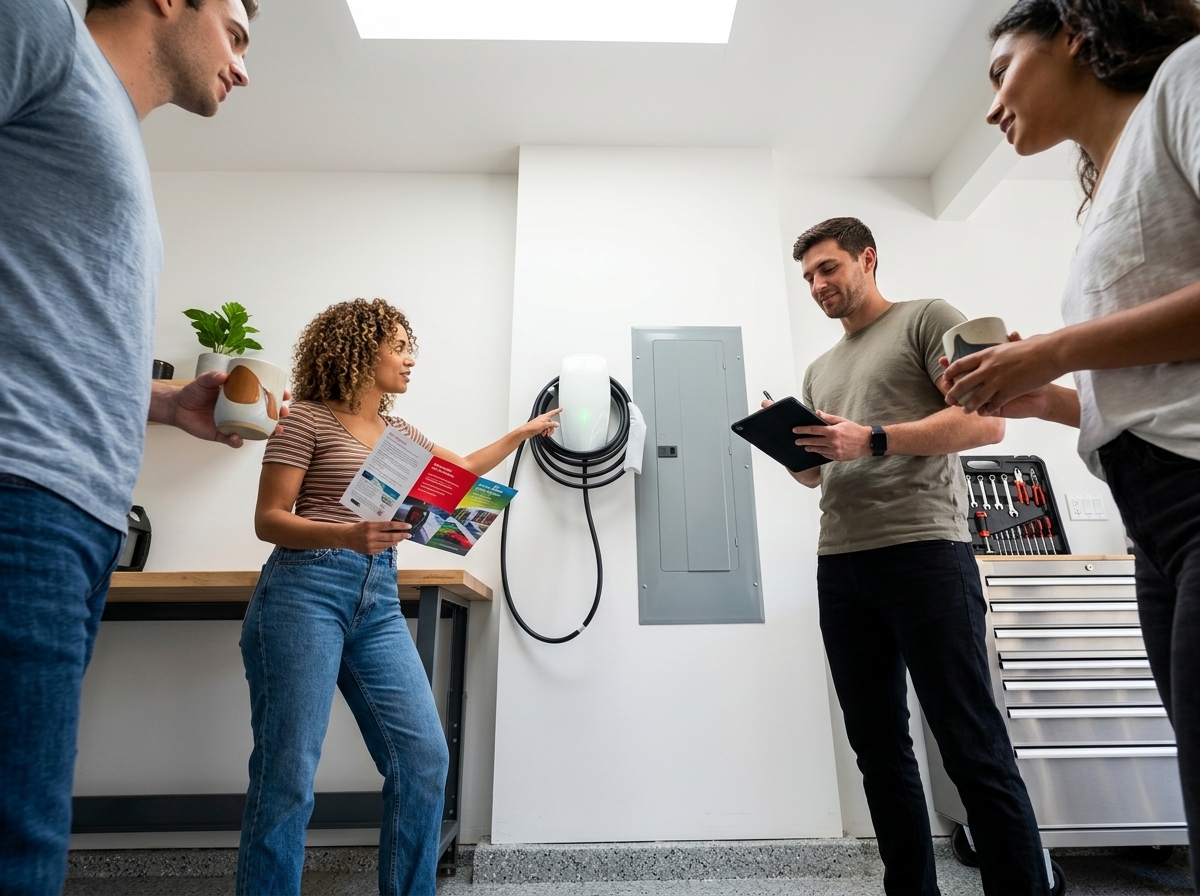
Now that you know the differences in charging levels, it’s crucial to consider how they fit into your space. Whether at home or a commercial location, assessing your setup can prevent costly mistakes.
Home EV Charging Needs
Homeowners often choose to install chargers in garages or driveways. Before committing, check your electrical panel’s capacity. Older homes might need upgrades to handle the increased load. You should also think about the charger placement: Is it accessible for your vehicle? The last thing you want is an inconvenient setup that makes charging a chore. Local electricians can help assess your setup for compatibility with a 240V circuit and ensure everything runs smoothly.
Commercial EV Charging Solutions
Businesses looking to install EV chargers should consider both employee and customer needs. Workplace charging stations can be a significant perk, encouraging EV use among staff and visitors. Think about the number of chargers you’ll need and how usage will fluctuate. It’s also essential to plan for future expansion as electric vehicles become more popular. A professional site evaluation can guide you in optimizing charger placement for maximum accessibility and efficiency.
Electrical Panel Load Calculations
Understanding your electrical panel’s capacity is vital for both home and business installations. A professional electrician can perform a load calculation to ensure your setup can handle the additional demand. This process involves assessing your current electrical usage and determining what upgrades, if any, are necessary to support a 240V dedicated circuit. Skipping this step can lead to overloading your panel, resulting in tripped circuits or even electrical fires.
Steps for a Successful Installation
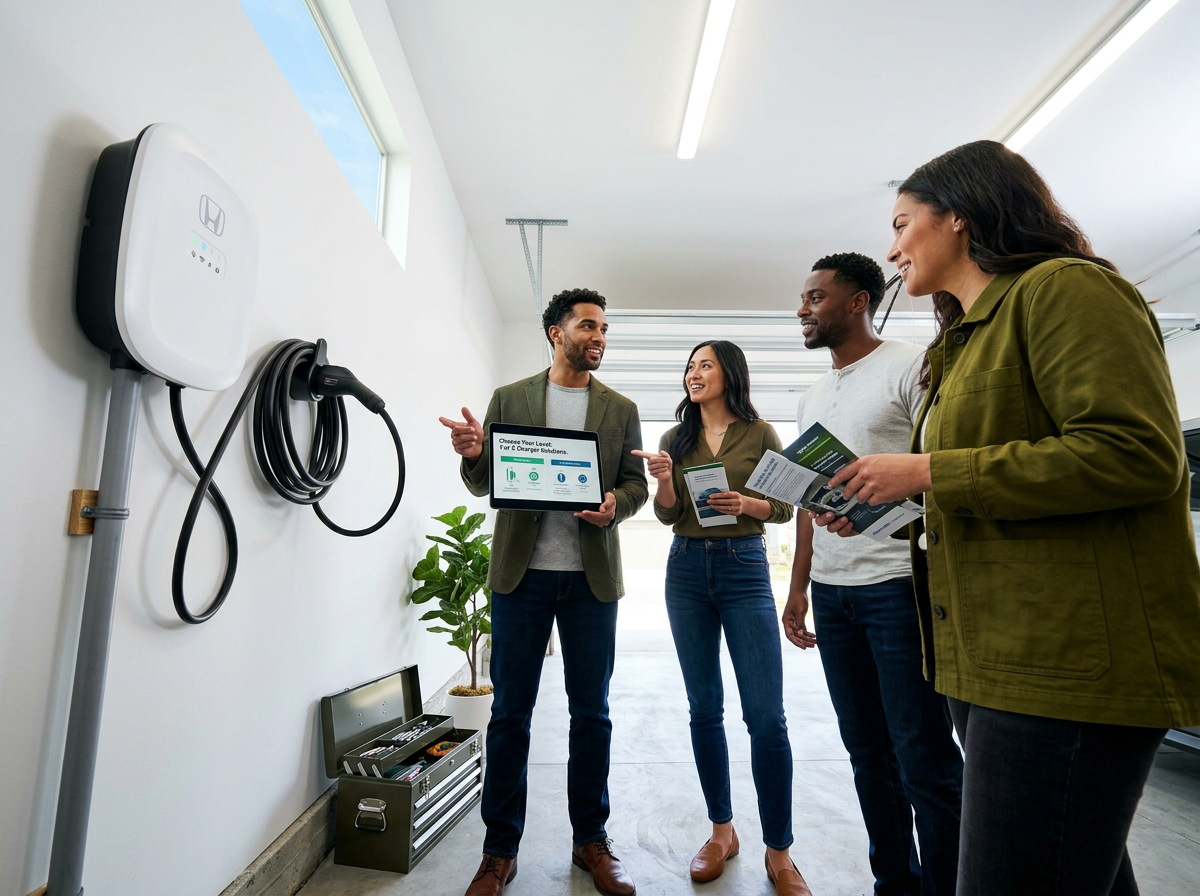
Ready to install your EV charger? Following these essential steps can help ensure a smooth process and avoid common pitfalls.
Scheduling an EV Charging Site Evaluation
The first step is to schedule a site evaluation. This assessment helps identify the best location for your charger, ensuring it’s accessible and meets all technical requirements. An expert will evaluate your electrical panel and provide a detailed installation plan. This proactive step can save you from unexpected costs and complications down the line.
Ensuring NEC Code Compliance
Compliance with the National Electrical Code (NEC) is crucial for safety and legality. Your installation must meet specific standards to prevent hazards. A professional installer will ensure that your setup is compliant, reducing the risk of electrical issues. This step is non-negotiable and should be a top priority for any installation project.
Navigating Permits and Inspections
Finally, you’ll need to navigate the permits and inspections required for electrical work in your area. This process can vary depending on local regulations. Working with experienced installers who understand these requirements can streamline the process. They can handle the paperwork and scheduling, ensuring everything is up to code and ready for use.
Frequently Asked Questions
What are the main differences between Level 1 and Level 2 chargers?
Level 1 chargers use a standard 120V outlet and charge slowly, providing about 4 to 5 miles of range per hour. Level 2 chargers require a 240V outlet and can charge much faster, offering 12 to 60 miles of range per hour.
How do I know if my home can support a Level 2 charger?
You should have a professional electrician perform a load calculation on your electrical panel. This assessment will determine if your setup can handle the additional demand or if upgrades are needed.
Are permits required for installing EV chargers?
Yes, permits are often required for installing a Level 2 EV charger. The process can vary by location, but working with a professional installer can help navigate these requirements.
What should businesses consider when installing EV chargers?
Businesses should assess the number of chargers needed, potential usage patterns, and future expansion. A professional site evaluation can help optimize charger placement and ensure electrical capacity.
Can I install a Level 1 charger myself?
Yes, since Level 1 chargers use a standard 120V outlet, they can often be installed by the user without professional help. However, for Level 2 chargers, professional installation is recommended to ensure safety and compliance.
Schedule your free site check.