Level 1 EV charging can work for overnight top-ups, but it may not keep pace with your daily driving needs. Level 2 EV charging delivers faster power, cutting wait time and boosting convenience for busy homes and businesses. Choosing the right setup affects cost, electrical needs, and installation complexity—getting it right means safer, more reliable charging. Read on to learn how to pick the best option for your property and when to call an expert for EV charger installation Northern Virginia trusts.
Understanding EV Charging Levels
To decide between Level 1 and Level 2 charging, you must first understand what each level offers. Let’s explore the basics of both to see which might suit your needs better.
Level 1 EV Charging Basics
Level 1 charging uses a standard 120-volt outlet, like the ones you have at home. It’s the simplest way to charge an EV, and it doesn’t require special equipment. This method is perfect for those who drive short distances daily. You can plug in your car overnight and have it ready by morning. However, it’s slow, providing only about 3 to 5 miles of range per hour.
If you drive your EV for errands or have a short commute, Level 1 might be enough. It’s easy to set up and costs less than other options. But if you drive a lot or need faster charging, you might find it limiting. Consider how long your car sits idle and if the slow charge works with your schedule.
Level 2 EV Charging Explained
Level 2 charging steps up the game. It uses a 240-volt outlet, similar to what powers your oven or dryer. With this, you get a much faster charge, usually adding 10 to 60 miles of range per hour. This is ideal for those who drive longer distances or have limited time to charge.
You’ll need a professional to install a Level 2 charger at home. It requires extra wiring and possibly an electrical panel upgrade. Despite the higher upfront cost, the speed and convenience often make it worthwhile. Many businesses also opt for Level 2 to support employee and customer EV needs, boosting their green credentials.
Key Considerations for Your Setup
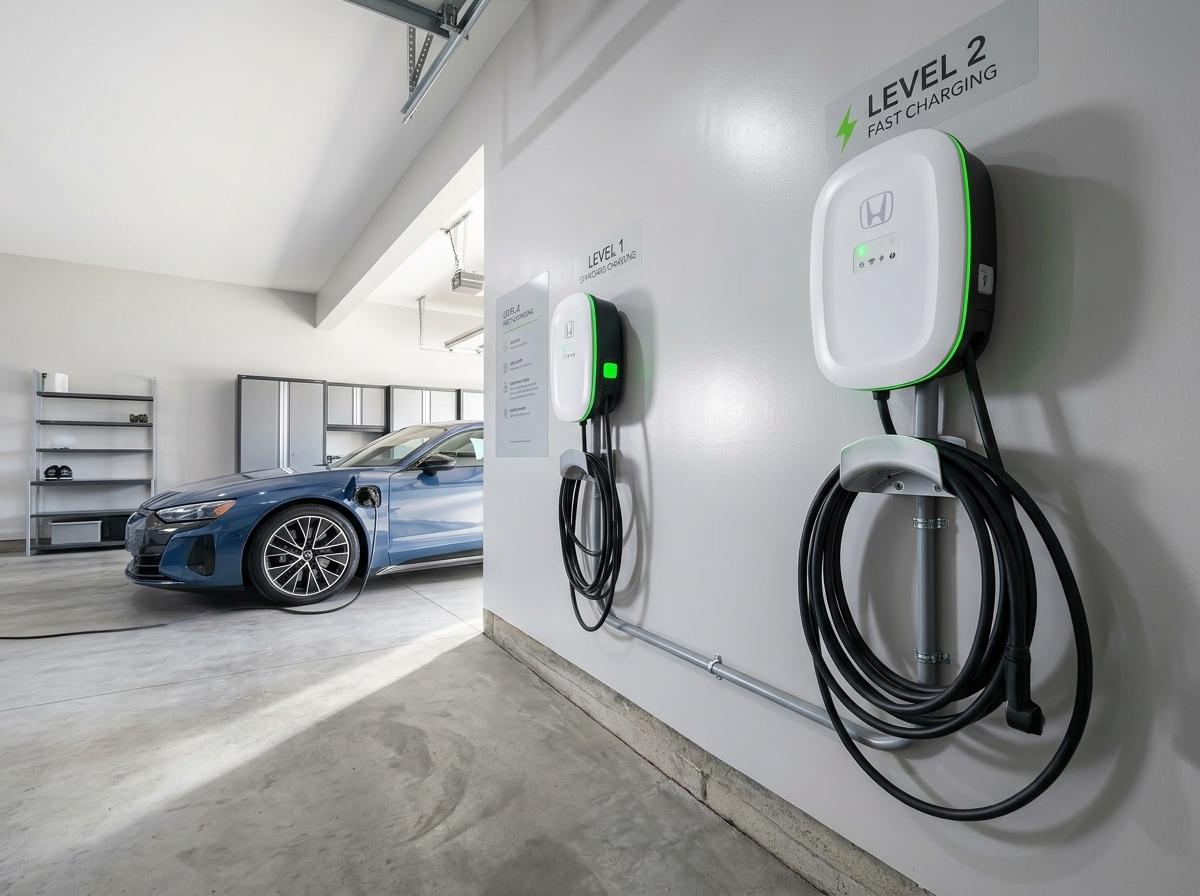
After understanding the charging levels, it’s crucial to weigh factors like speed, cost, and your electrical capacity when choosing your EV setup.
Speed and Convenience Comparison
When comparing the two, speed is a major deciding factor. Level 1 is fine for an overnight charge if your daily mileage is low. But if you often drive longer distances, waiting hours for a full charge might not be practical. Level 2 charging, on the other hand, offers quicker refueling, making it more convenient for busy lifestyles.
For commercial settings, faster charging means less downtime and happier employees or customers. It can be a selling point for businesses wanting to appear eco-friendly and tech-savvy. Consider how charging speed impacts your daily routine and choose accordingly.
Cost and Electrical Capacity
The cost of installation varies between Level 1 and Level 2. Level 1 is generally cheaper since it requires no extra equipment. Level 2 involves more complex installation, which can increase costs. You might need a permit or an electrical panel upgrade, adding to the expense.
However, the investment in Level 2 can pay off in long-term convenience and efficiency. Check your current electrical capacity first. A professional can assess if your home or business can support a Level 2 charger. This saves you from surprises down the road and ensures your setup is safe and compliant.
Professional Installation and Support
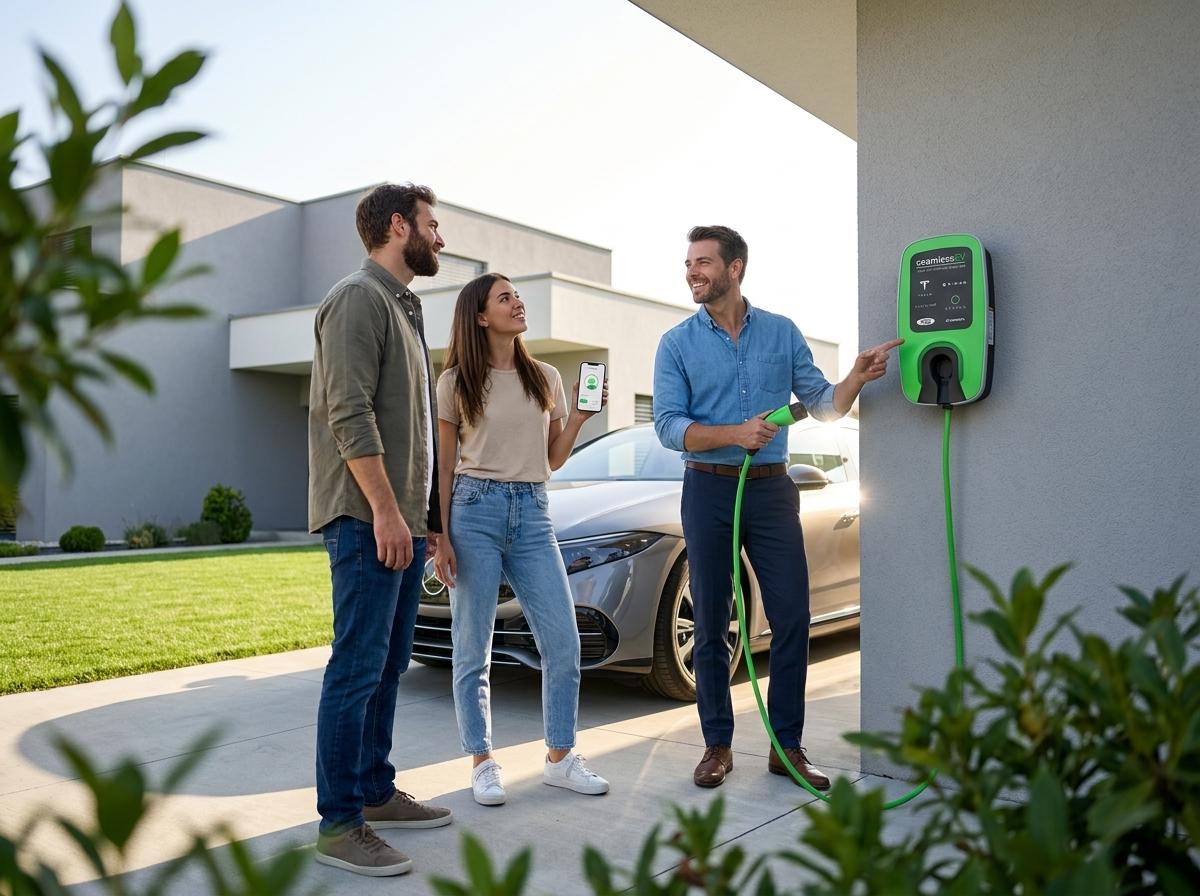
Now that you’ve weighed the options, it’s time to consider professional installation. This ensures safety and maximizes your investment.
Why Choose a Home EV Charger Installer
Hiring a home EV charger installer has several benefits. They assess your electrical system and handle permits, ensuring everything meets local codes. This expertise helps prevent costly mistakes and keeps you safe.
An experienced installer provides peace of mind, knowing your equipment is reliable. They can also recommend the best charger for your needs. Don’t risk DIY with something as critical as your EV charging system.
Commercial EV Charging Installation Steps
For businesses, installing EV chargers involves several steps. First, assess the location and electrical capacity. Your installer will determine how many chargers you can support. Next, they help with permits and design the setup to fit your space.
Once everything is ready, the actual installation begins. Professionals ensure all components are installed correctly and safely. Finally, they test the system, making sure everything works smoothly. A seamless process makes transitioning to EVs easier for your business.
Frequently Asked Questions
What is the main difference between Level 1 and Level 2 charging?
Level 1 uses a standard 120-volt outlet, providing slower charging, while Level 2 uses a 240-volt outlet for faster charging. Level 2 is better for those who drive longer distances or need quicker charging times.
Do I need a professional to install a Level 2 charger?
Yes, it is recommended to have a professional install a Level 2 charger. They ensure it meets local codes, handle permits, and make sure it’s installed safely.
Can my business benefit from installing EV chargers?
Absolutely. Installing EV chargers at your business can attract eco-conscious customers and employees, boosting your green credentials and potentially increasing patronage.
Is Level 1 charging enough for my needs?
If you have a short daily commute and can charge overnight, Level 1 might be sufficient. However, if you drive more or need faster charging, consider Level 2.
What are the potential costs of installing a Level 2 charger?
Costs vary based on your electrical system and installation complexity. You might need an electrical panel upgrade, permits, and professional labor, contributing to the overall expense.
Schedule your free site check.