
Key Electrical Upgrades to Consider Before Installing Your Home EV Charger (Northern Virginia, MD, DC)
Thinking about installing an EV charger at your Northern Virginia home? Before you plug in, your electrical system might need some key upgrades to handle a Level 2 charger safely and meet code requirements. From 240V circuits to panel capacity checks, these updates ensure your charger runs reliably and within NEC standards. Keep reading to learn which electrical improvements matter most and how Seamless EV can guide you through every step. Learn more.
Preparing Your Home for EV Charging
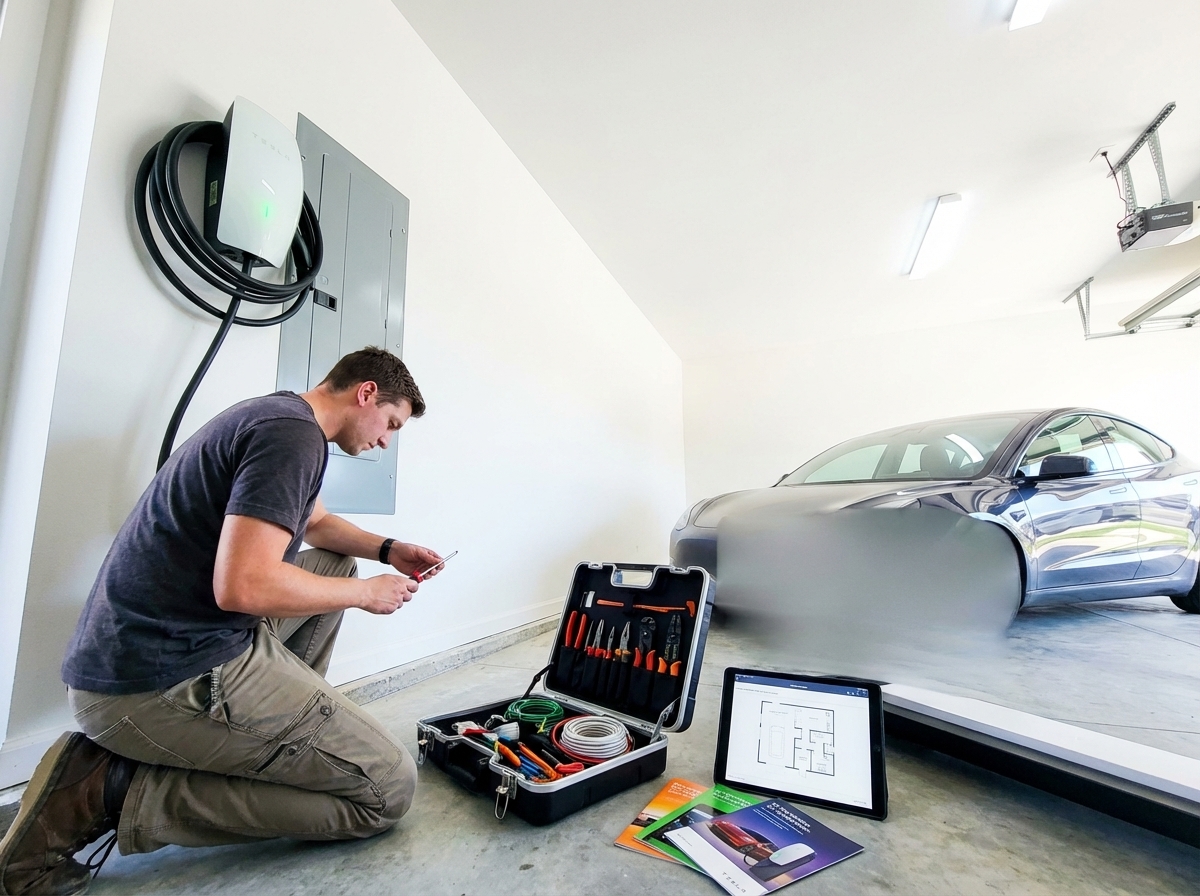
When you’re ready to embrace the convenience of home EV charging, it’s important to start with a solid foundation. This begins with understanding the load calculations needed for your setup and determining whether a 200 amp service upgrade is necessary.
Understanding Load Calculations
Are you wondering if your current electrical setup can handle a new EV charger? The first step is understanding your home’s load calculations. This assessment helps determine if your electrical panel can support additional circuits without overloading.
Load calculations involve evaluating the total electrical capacity of your home, including appliances and lighting. Most homes need a capacity of at least 150 amps to support a Level 2 charger. If your home falls short, you might face frequent breaker trips or power issues.
To prevent any surprises, consider having a professional electrician evaluate your setup. They can perform a thorough load calculation to ensure your home is ready for an EV charger. This step is critical for ensuring a smooth installation process.
Upgrading to a 200 Amp Service
If your home’s electrical capacity is lacking, a 200 amp service upgrade might be necessary. This upgrade provides enough power to handle your current needs and support future electrical additions like an EV charger.
Upgrading to 200 amps involves replacing your home’s electrical panel and meter. This ensures your system can handle increased power demand. A professional electrician can guide you through this process, ensuring safety and compliance with local codes.
Many homeowners in Northern Virginia find this upgrade beneficial as it accommodates future electrical needs. It’s an investment that pays off in convenience and peace of mind. With more power available, you can add an EV charger without worrying about overloading your system.
Essential Electrical Enhancements
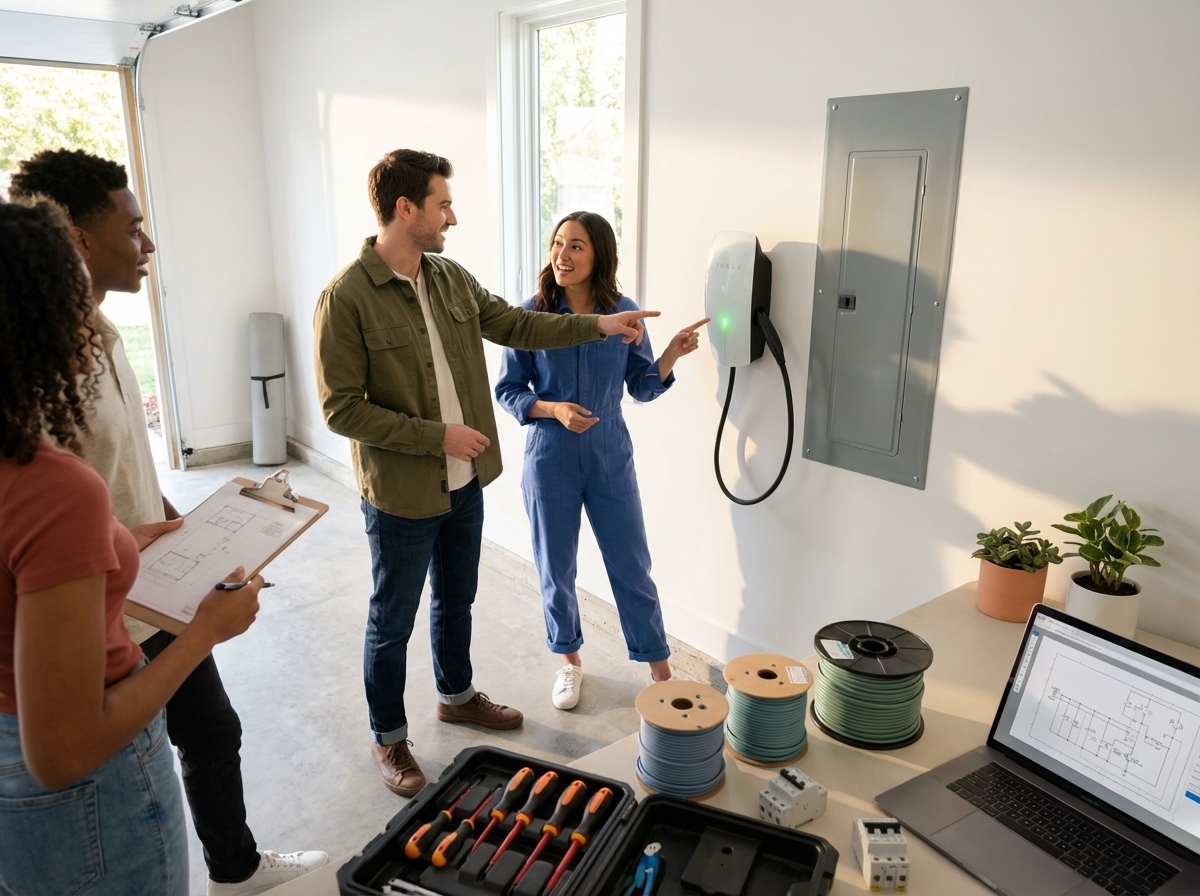
Once your home’s electrical capacity is sufficient, the next step is installing a dedicated 240V circuit and ensuring proper GFCI protection. These enhancements are vital for safe and efficient EV charging.
Installing a Dedicated 240V Circuit
A dedicated 240V circuit is crucial for Level 2 EV charger installation. This circuit ensures your charger operates efficiently, providing faster charging times compared to a standard 120V outlet. With this setup, you can fully charge your EV overnight.
Installing a 240V circuit typically involves running new wiring from your electrical panel to the charging location. This setup often includes a NEMA 14-50 outlet or a hardwired EVSE. A licensed electrician can perform this installation, ensuring compliance with safety standards.
Most people think they can use existing circuits for their EV charger, but this can lead to issues. A dedicated circuit prevents overloads and potential electrical hazards. Investing in a proper setup now can save you from costly repairs down the road.
Importance of GFCI Protection
Ground Fault Circuit Interrupter (GFCI) protection is essential for any electrical installation near water sources or outdoors. This protection prevents electric shocks by cutting power when a fault is detected.
Incorporating GFCI protection into your EV charging setup enhances safety, especially if your charger is located outside. This feature is crucial for protecting both your home and vehicle from electrical faults.
Ensure your installation includes GFCI protection for peace of mind. This small addition can make a big difference in keeping your charging experience safe and reliable. Remember, safety should always be a top priority when making electrical upgrades.
Installation and Compliance
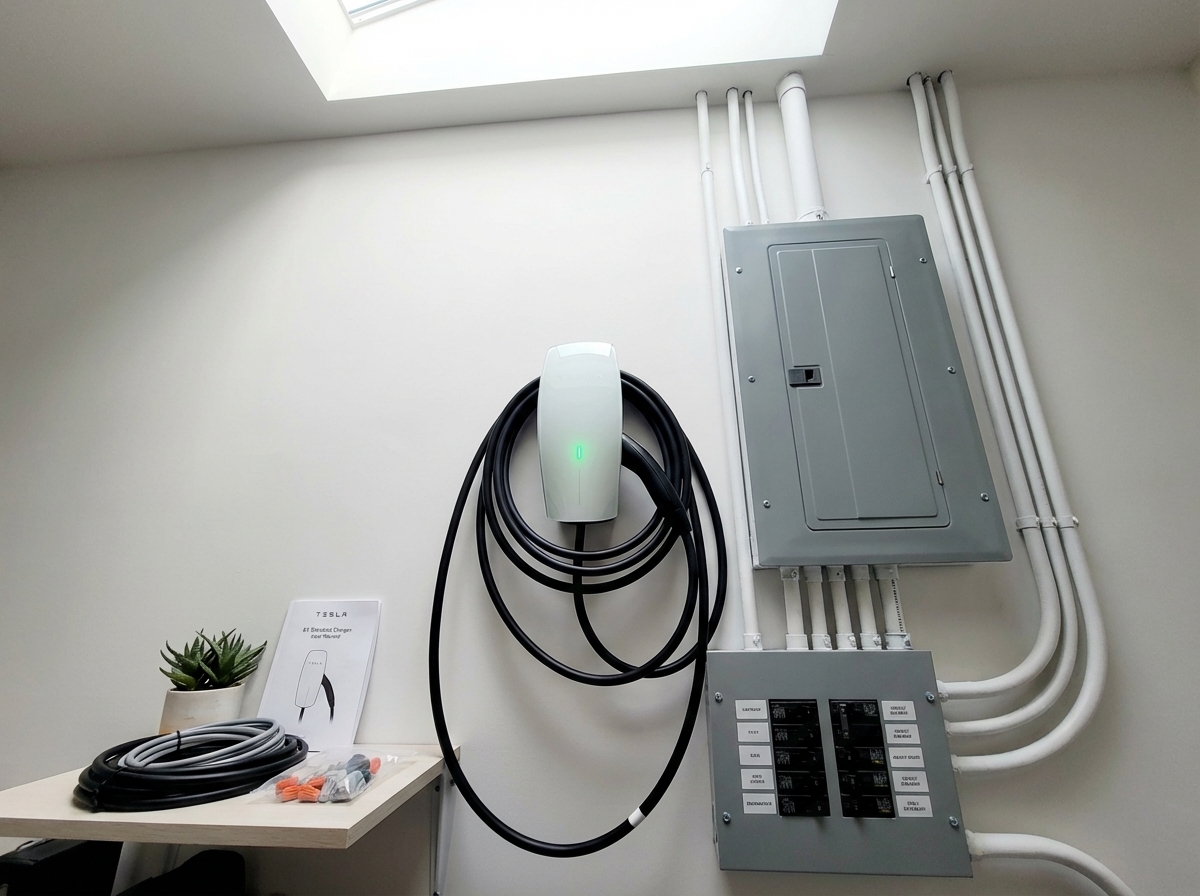
With the right electrical setup in place, it’s time to focus on installation and compliance. Navigating permits, inspections, and ensuring NEC code compliance are final steps in your EV charger installation journey.
Navigating Permit and Inspection
Most jurisdictions require permits for electrical work, including EV charger installations. Permits ensure your installation meets local safety standards, protecting both your home and your investment.
After securing a permit, an inspection is usually required. This step verifies the installation meets all electrical codes. A professional electrician can manage this process, ensuring everything is in order.
Skipping permits and inspections can lead to serious consequences, including voided insurance coverage and safety hazards. Make sure to follow all regulations for a smooth and compliant installation process.
Ensuring NEC Code Compliance
Compliance with the National Electrical Code (NEC) is crucial for any electrical installation. The NEC sets standards for safe electrical design, installation, and inspection to protect people and property from electrical hazards.
Your EV charger installation must comply with NEC requirements. This includes proper grounding, circuit design, and equipment installation. A licensed electrician ensures all aspects of your setup adhere to these standards.
By following NEC guidelines, you ensure your installation is safe, reliable, and up to current standards. This compliance protects you from potential electrical issues and helps maintain the longevity of your EV charging system.
In conclusion, preparing your home for EV charging involves several key electrical upgrades and considerations. From load calculations to ensuring NEC compliance, each step is vital for a safe and efficient setup. Trust Seamless EV to guide you through this process with expertise and confidence.
Schedule your free site check.
18 Responses