
How to Prepare Your Northern Virginia Home for an EV Charger Installation
Installing an EV charger at your Northern Virginia home means more than just plugging in. You need the right electrical setup, permits, and safety checks to ensure a smooth and safe process. This guide breaks down exactly what to prepare before your EV charger installation Northern Virginia experts can begin. Follow these steps to get your home ready and schedule your site evaluation with Seamless EV today. For more information, visit this link.
Preparing Your Home for Installation
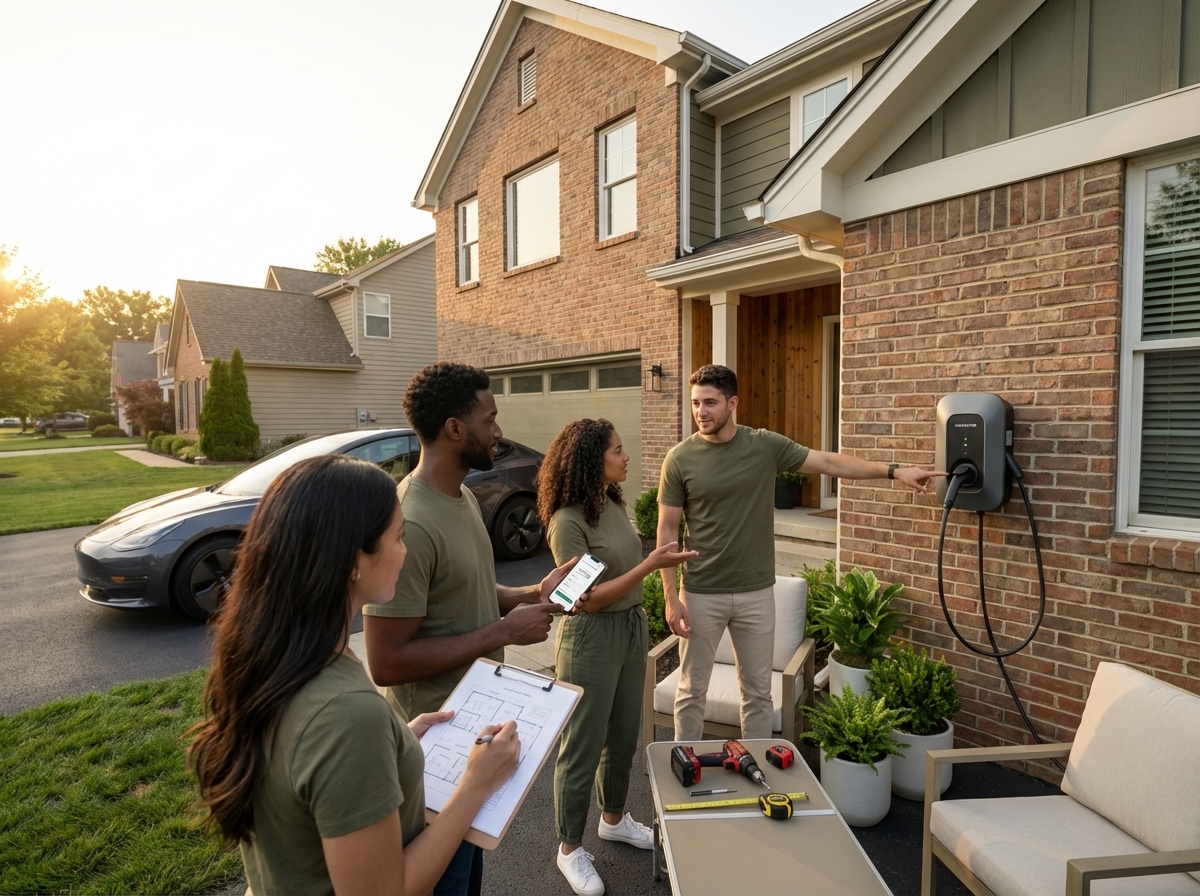
Before the installation begins, make sure your home is ready. This preparation involves checking your electrical system to ensure it can handle the new charger.
Assess Electrical Panel Capacity
Your electrical panel is the heart of your home’s power system. To handle an EV charger, it needs enough capacity. Start by looking at the panel’s label to find its rating, usually in amps. If you’re unsure about its capacity, consult an electrician.
An electrician can help determine if an upgrade is necessary. Most EV chargers require a 240V outlet, which typically needs a 40-50 amp circuit. This might mean expanding your panel or upgrading it. Doing this ensures your home is safe and ready for charging.
Conduct EV Charger Load Calculation
An essential step is calculating the load your new charger will add to your electrical system. This involves considering all the appliances and devices already using electricity.
First, list every significant electrical device in your home. Then, check their power usage. Compare this to your panel’s capacity. This calculation is crucial because overloading your panel can cause issues. If your current setup can’t handle the load, an upgrade is necessary.
Choose the Right Charger Type
Choosing the right charger type is vital for your needs. Two main types are popular: Level 1 and Level 2 chargers. Level 1 chargers are slower and work with standard outlets. They are perfect for those who drive less frequently.
Level 2 chargers are faster and require a dedicated 240V outlet. They suit drivers with longer commutes or those who need quick charging. Consider your driving habits and how quickly you need to charge your electric vehicle when making your choice.
Installation Process and Requirements
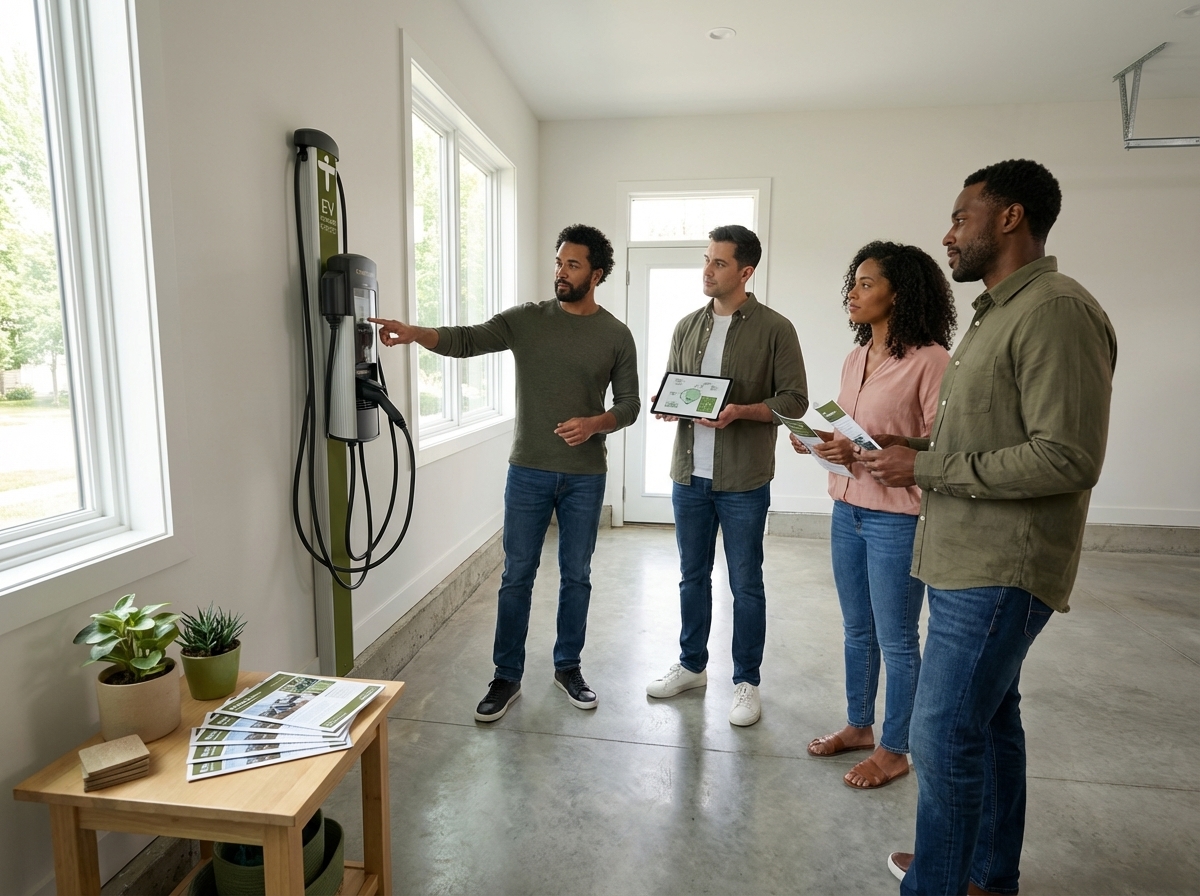
Once your home is ready, it’s time to understand the installation process. This ensures everything complies with legal and safety standards.
Understanding NEC Code Compliance
The National Electrical Code (NEC) sets the standards for electrical installations. Following these rules ensures your installation is safe and legal. The NEC requires specific wiring and outlet setups for EV chargers.
Hiring a professional familiar with NEC codes is crucial. They ensure the installation meets all requirements, preventing potential hazards. This step guarantees not only safety but also adherence to local regulations.
Obtaining EV Charger Permit and Inspection
Permits are necessary before any electrical work begins. Contact your local building department to apply. They will guide you through the process, ensuring you meet all local requirements.
Once the permit is obtained, schedule an inspection. This step confirms that the installation meets all safety codes. Don’t skip this; it’s vital for ensuring your setup is safe and legal.
Installing a Dedicated 240V Circuit
A dedicated 240V circuit allows your EV charger to work efficiently. This installation is crucial for Level 2 chargers. It involves running new wiring from your electrical panel to the charging location.
An electrician will handle this task, ensuring the circuit is properly installed. This setup prevents overloads and ensures your charger functions correctly. It’s a key component of a successful installation.
Post-Installation Considerations
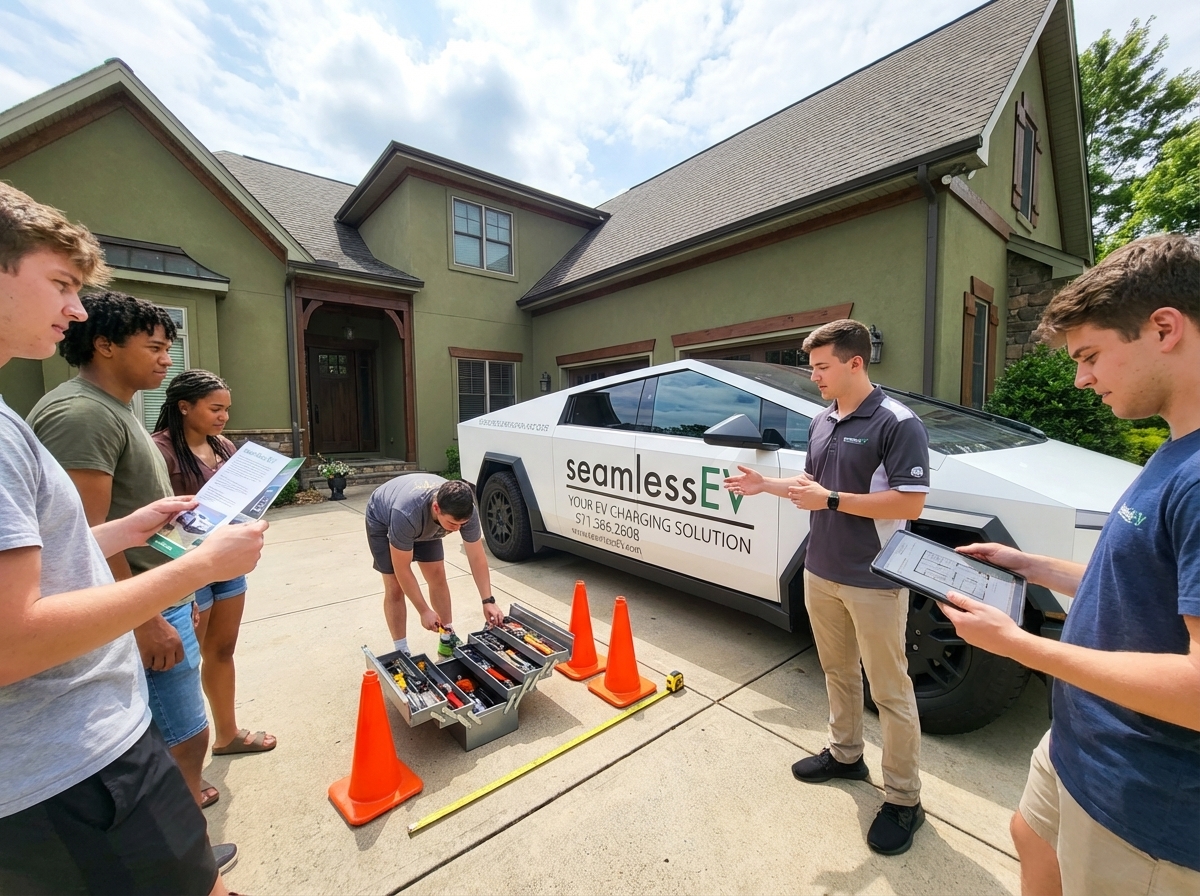
After the installation, there are a few more steps to ensure everything runs smoothly. These steps include safety checks and final inspections.
Ensuring GFCI Protection for Safety
Ground Fault Circuit Interrupter (GFCI) protection is vital for safety. It prevents electrical shocks by cutting off power if a fault is detected. Make sure your EV charger setup includes GFCI protection.
GFCI breakers are required by code for outdoor and garage installations. They provide an added layer of safety, protecting both your home and your vehicle. Consult with your electrician to make sure this is in place.
Scheduling Final Inspection and Warranty
Once your charger is installed, schedule a final inspection. This confirms everything meets safety standards. It’s a last check to ensure all work is up to code.
Also, inquire about the warranty for your charger and installation. Understanding the terms and coverage ensures peace of mind. It protects your investment and keeps your charger in top condition.
Contact Seamless EV for Your Site Evaluation
Ready to install your EV charger? Seamless EV is here to help. We offer expert evaluations, ensuring your home is ready for a smooth installation process.
Scheduling a site evaluation is your next step. Our team will assess your setup and guide you through every phase. With Seamless EV, you get a hassle-free experience from start to finish. Don’t wait—reach out today to ensure your home is ready for the future of driving. For more insights on preparing your home, check out Mercedes-Benz’s guide and join discussions on Reddit.
Schedule your free site check.