
How to Optimize Your Home Electrical System for Future EV Charger Upgrades
Upgrading your home electrical system for EV charging is more than just plugging in a new device. Without the right electrical capacity and proper circuit planning, your future Level 2 home charger might not deliver the power you need. This guide walks you through key steps like load calculation for EV charger installation Northern Virginia homeowners trust, ensuring your setup meets code requirements and handles upgrades smoothly. Ready to prepare your home for faster, safer EV charging? Learn more about future-proofing your home.
Understanding Electrical Capacity
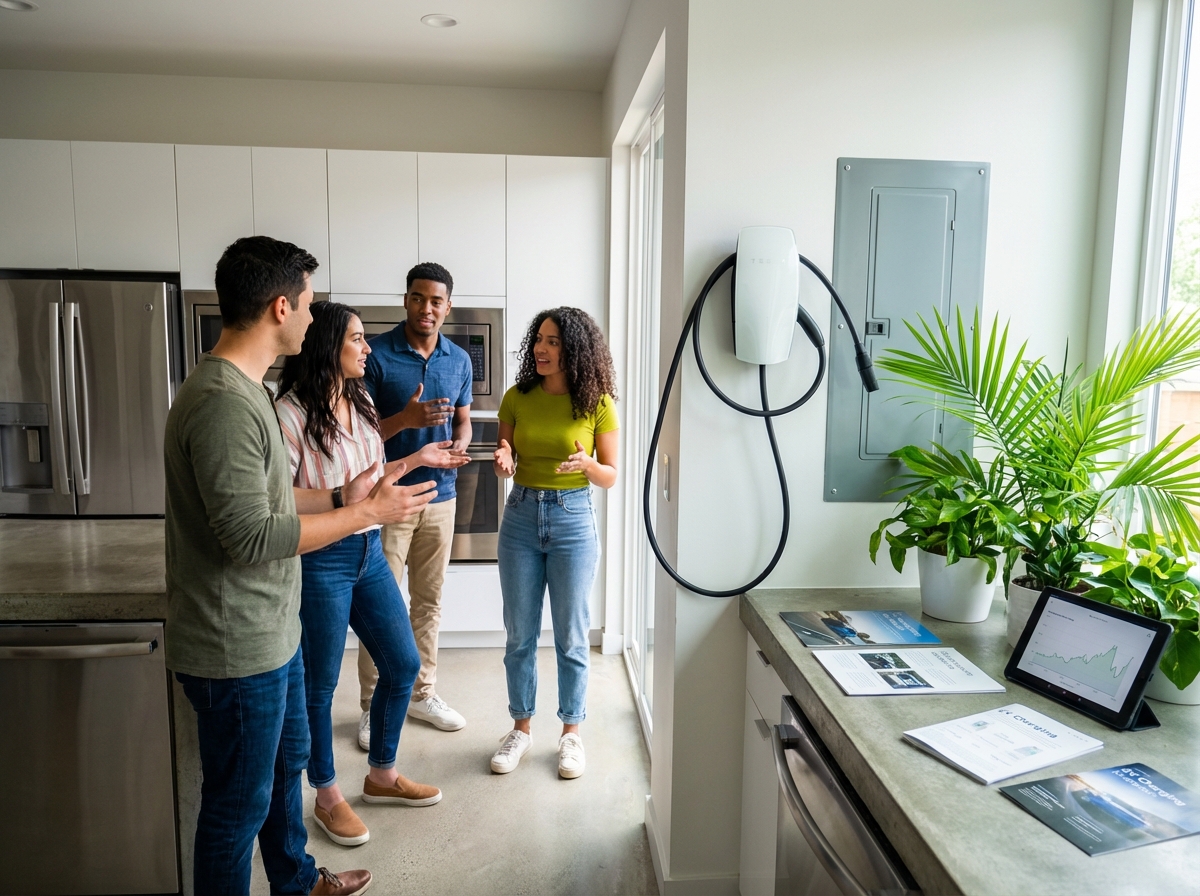
Before diving into installation, knowing your electrical capacity is crucial. This section will guide you through evaluating your current system and calculating the load for a seamless setup.
Evaluating Your Home’s Panel
To start, check your home’s electrical panel. You need to know its capacity and the total available amperage. Most homes have panels ranging from 100 to 200 amps. Look for a label inside the panel door for this information. If it’s unclear, consult an electrician to be safe.
Next, list your major appliances. Each appliance draws power, and it’s essential to know these numbers. For example, typical air conditioning units use about 30 amps. Add up the amps of all appliances to ensure your panel can handle an EV charger. A professional assessment can save you time and provide peace of mind.
Load Calculation for EV Charger
Load calculation determines if your system can support an EV charger. Here’s a simple way to calculate: add the amps of your current appliances. Then, add the amps required for your future charger. A Level 2 charger typically needs 30-50 amps.
If the total exceeds your panel’s capacity, you’ll need an upgrade. This ensures your system won’t overload, avoiding potential hazards. Homeowners often overlook this step, but understanding it can prevent issues down the road.
Planning Your Circuit Upgrade
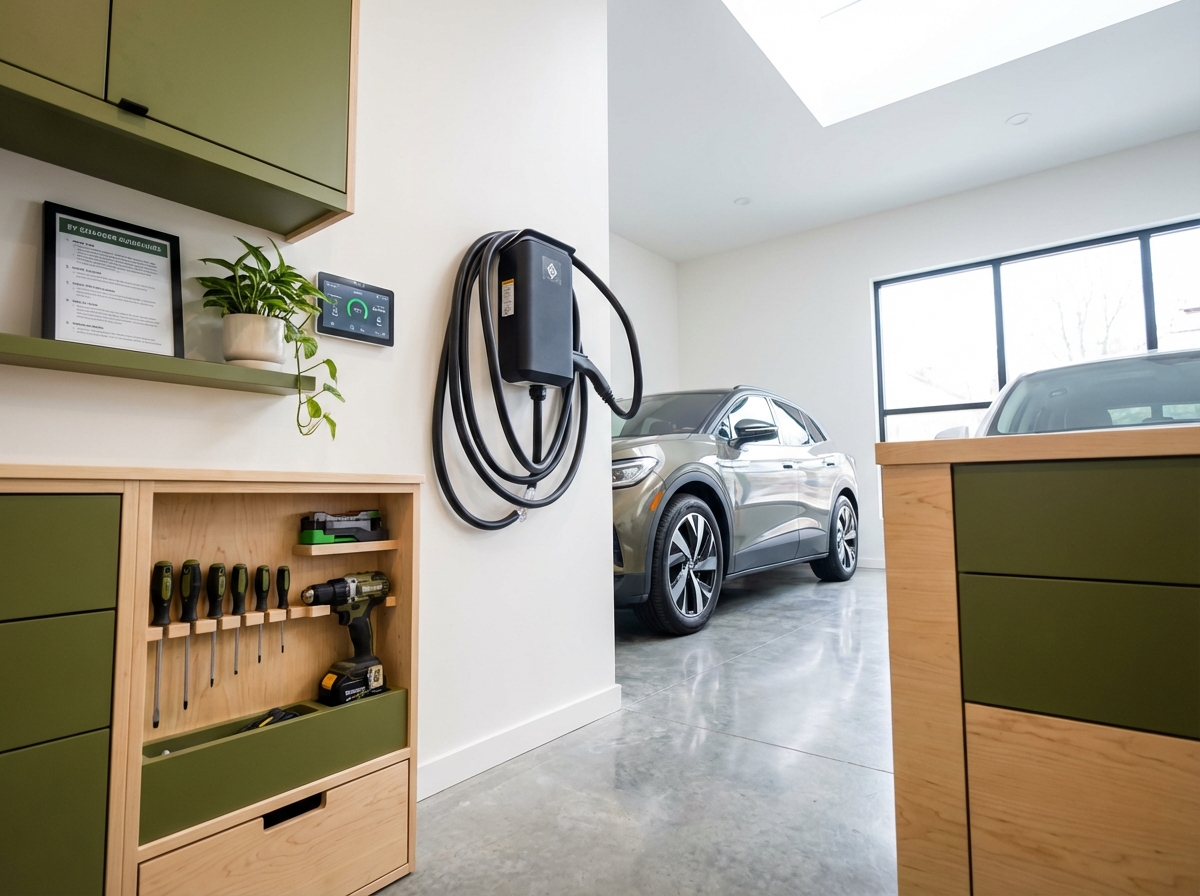
Once you know your capacity, planning the circuit upgrade comes next. This ensures your EV charger operates efficiently and safely.
Dedicated 240V Circuit Essentials
A dedicated 240V circuit is essential for Level 2 chargers. This circuit provides more power, reducing charging time significantly. Installing one requires specific steps to ensure safety and efficiency.
First, decide on the installation location. Near your parking area is ideal. Next, ensure the circuit can handle at least 30 amps for basic chargers. For higher capacity chargers, consider 50 amps. A dedicated circuit prevents interference with other appliances, keeping your home safe and efficient.
Electrical Panel Upgrade for EV
If your panel can’t handle the load, an upgrade might be necessary. Upgrading increases your panel’s capacity, allowing your system to support a new circuit.
Start by consulting an electrician to understand your options. They will assess your current setup and recommend the best solution. Upgrades may include switching to a 200-amp panel, which supports more appliances and your new charger. Though it involves an upfront cost, it ensures your home is future-ready. Check out how to make your home electric-ready.
Code Compliance and Safety
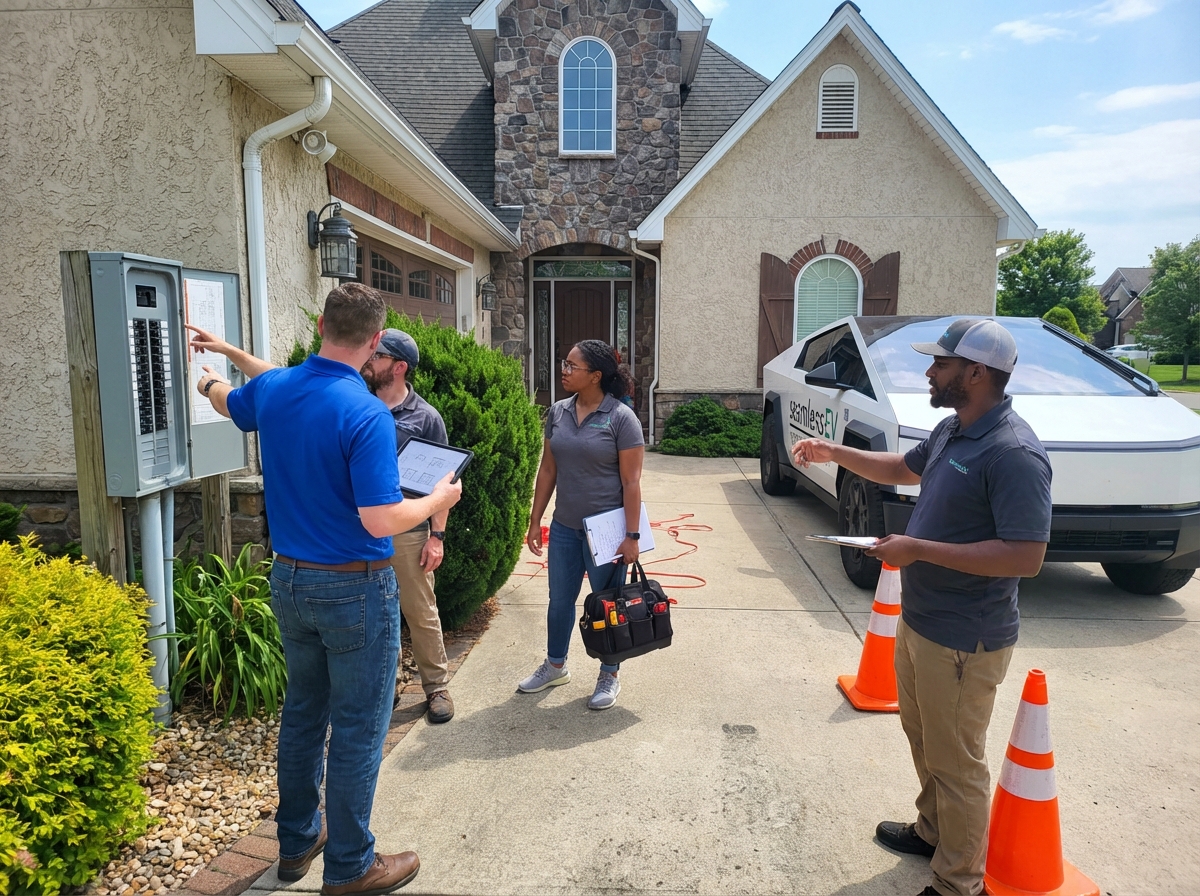
Ensuring code compliance is crucial for a safe installation. It protects you from potential electrical hazards and ensures your setup meets legal standards.
NEC Code Compliant EV Charging
The National Electrical Code (NEC) sets standards for safe electrical installations. Your EV charger installation must comply with these codes to be safe.
A licensed electrician will ensure your setup meets all NEC requirements. This includes correct wiring, circuit breakers, and outlet types. Following these standards prevents risks like electrical fires. Many homeowners overlook this, but it’s a critical step for safety.
Permit and Inspection for EV Charger
Finally, acquiring the necessary permits and inspections is a must. These ensure your installation complies with local regulations.
Start by contacting your local building department. They will guide you on the needed permits. Once installed, schedule an inspection. This confirms everything meets code and functions safely. The longer you wait to schedule these steps, the longer your installation process can take.
In conclusion, preparing your home for an EV charger involves understanding capacity, planning circuits, and ensuring compliance. By following these steps, you ensure a safer, more efficient charging experience. For those looking to delve deeper into EV charging solutions, the EPA offers insights to get started.
Schedule your free site check.
4 Responses