Choosing the right EV charger installation in Northern Virginia is more complex than picking the first option you find. Your home’s electrical panel, driving habits, and local codes all play a part in making the best choice. This guide breaks down everything from Level 1 versus Level 2 chargers to permits, panel upgrades, and smart features so you can make a confident decision. Ready to install your home charger? Schedule your Seamless EV site evaluation today.
Understanding EV Charger Needs
Choosing the right EV charger for your home isn’t just about the charger itself. It’s about understanding your daily driving habits and how they align with your charging needs. This section covers the basics, from your driving habits to the differences between Level 1 and Level 2 chargers.
Assess Your Driving Habits
Your driving habits play a crucial role in determining your EV charger needs. If you’re someone who drives short distances daily, a Level 1 charger might suffice. It uses a standard 120V outlet and is perfect for overnight charging. However, if you frequently travel longer distances, a Level 2 charger could be more suitable. It provides faster charging using a 240V outlet, ensuring your car is ready to go in a few hours. Consider how often you drive and how much charging time you can dedicate daily.
Level 1 vs. Level 2 Chargers
Understanding the difference between Level 1 and Level 2 chargers will help you make the best choice for your home. Level 1 chargers are convenient for those with minimal daily driving. They use a standard household outlet, charging your vehicle slowly but steadily. On the other hand, Level 2 chargers require a 240V outlet but charge your car much quicker, ideal for busy lifestyles. Many homeowners find that upgrading to a Level 2 charger is worth the investment for the time saved.
Amperage and Panel Capacity
Before installing a charger, it’s important to check your home’s electrical panel capacity. Level 2 chargers typically draw between 32 to 60 amps. Ensure your panel can handle the additional load to avoid any electrical issues. You might need an electrician to evaluate your panel and upgrade it if necessary. Having the right setup ensures your charging experience is both safe and efficient.
Installation Considerations
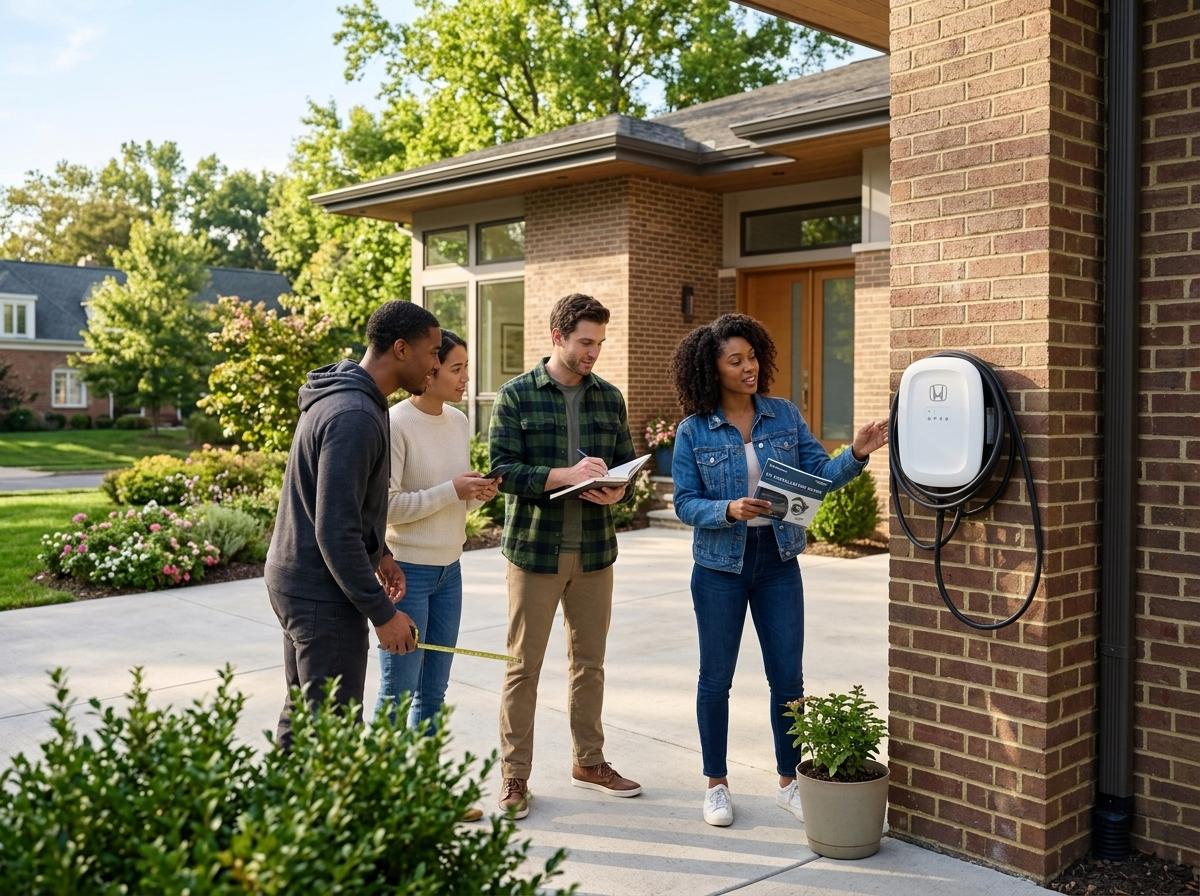
Once you’ve identified the right charger type, it’s time to consider how the installation will fit into your home setup. Factors like whether to use an outlet or hardwired option, the charger’s location, and additional features can greatly impact your experience.
Outlet vs. Hardwired Options
Deciding between an outlet and hardwired installation affects both cost and convenience. Using a NEMA 14-50 outlet for your EV in VA is a flexible option, allowing easy charger upgrades in the future. However, a hardwired installation can be more secure and aesthetically pleasing, with fewer visible wires. Consider your long-term needs and whether you prioritize flexibility or a tidy setup.
Indoor/Outdoor Rating & Location
Where you place your charger impacts its usability and longevity. Chargers rated for outdoor use provide more flexibility in installation locations, including your driveway or garage. Consider factors like weather exposure and accessibility. Placing the charger near where you park your car can simplify daily use, while an indoor installation offers protection from the elements.
Cable Management and Smart Features
Efficient cable management keeps your charging space tidy and safe. Look for chargers with built-in cable management systems to avoid tripping hazards. Additionally, chargers with smart features, like scheduling and remote monitoring, can enhance your charging experience. These features allow you to manage charging times and monitor energy use from your smartphone, adding convenience and control.
Navigating Permits and Regulations
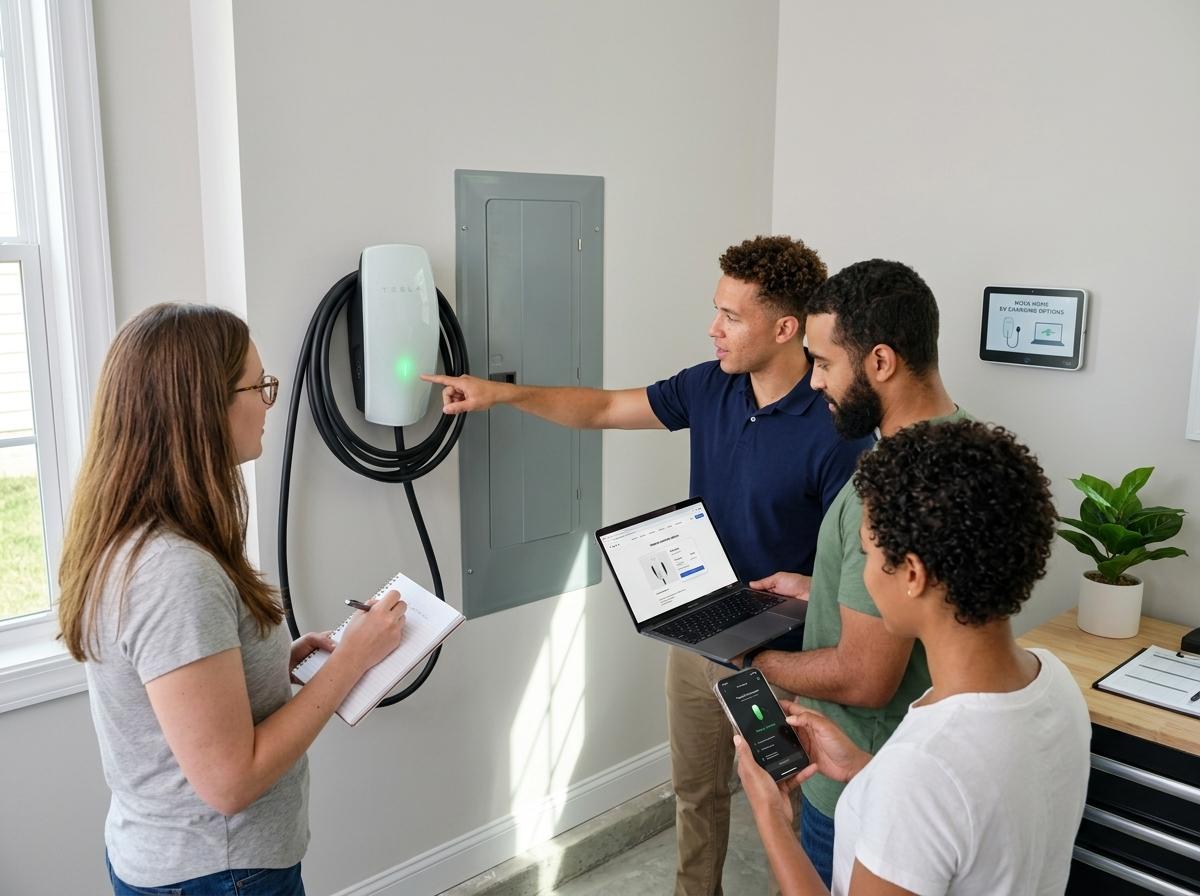
Installing an EV charger involves more than just the technical setup. Understanding the permitting process, HOA rules, and utility programs ensures compliance and possibly reduces costs.
Permitting and Inspection Process
Permits are often required when installing a new electrical device like an EV charger. The inspection process ensures your installation meets local safety standards. Contact your local permitting office to understand the requirements and fees involved. Hiring a professional installer familiar with the local regulations can simplify this process, ensuring everything is up to code.
HOA and Utility Program Considerations
If you live in a community governed by a Homeowners Association (HOA), check their guidelines for EV charger installations. Some HOAs have specific rules regarding exterior modifications. Additionally, utility programs, like the Dominion Energy EV charger rebate, may offer incentives for installing energy-efficient chargers. These programs can help offset installation costs.
Scheduling Your Site Evaluation
The final step in your EV charger installation journey is scheduling a site evaluation. This assessment allows a professional to review your specific needs and provide a detailed installation plan. At Seamless EV, we offer comprehensive site evaluations in Northern Virginia. This step ensures your installation is tailored to your home and charging habits, providing peace of mind and a seamless experience.
Frequently Asked Questions
How do I know if my home’s electrical panel can support an EV charger?
An electrician can assess your panel’s capacity and determine if upgrades are necessary. Generally, a Level 2 charger requires a panel capable of handling an extra 32 to 60 amps.
Do I need a permit to install an EV charger in Northern Virginia?
Yes, permits are usually required for electrical installations. Contact your local permitting office or hire a professional installer who can handle this process for you.
Can I install an EV charger outdoors?
Yes, you can install chargers outdoors if they are rated for outdoor use. Ensure the charger is protected from the elements and installed in a convenient location near your parking spot.
Schedule your free site check.