Home EV Charger Installation in Northern Virginia: Step-by-Step Guide
Installing an EV charger at home in Northern Virginia is more than just plugging in a device. It requires careful planning around permits, panel capacity, and hardware choices to ensure safe, code-compliant charging. This step-by-step guide breaks down exactly what you need for EV charger installation Northern Virginia residents trust. By the end, you’ll know how to prepare your home for fast, reliable Level 2 EV charger home installation and why booking a free site evaluation with Seamless EV is your smartest first step. For more information, visit this link.
Understanding EV Charger Installation
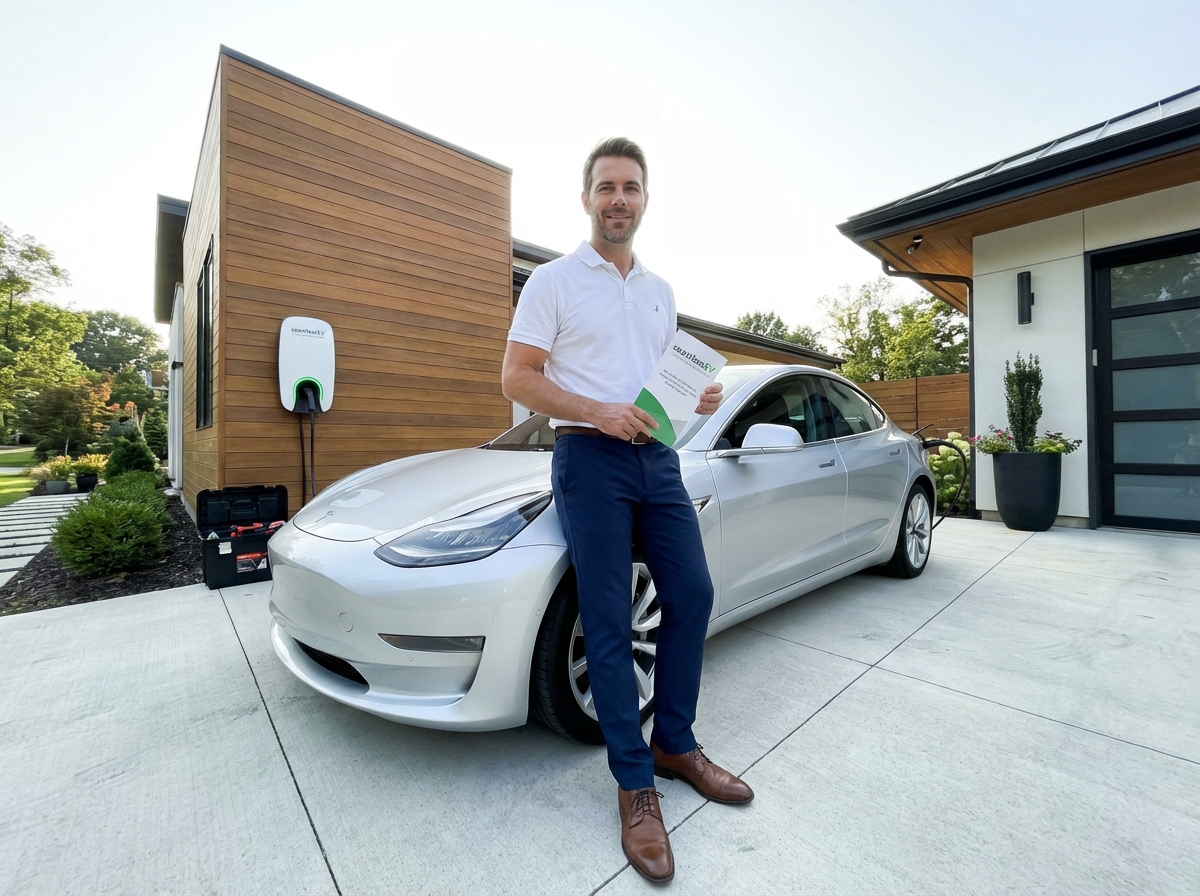
To set up your home for EV charging, it’s key to grasp the basics. Let’s explore why more homeowners are choosing this option and what it means for you.
Key Benefits of Home Charging
Home charging isn’t just about convenience. It’s about control and savings. Imagine waking up each day to a fully charged car. No more trips to public stations. This setup can cut charging costs significantly. With rates as low as $0.10 per kWh during off-peak times, you’re looking at substantial monthly savings. Plus, it adds another level of green to your lifestyle, reducing your carbon footprint right at home.
Types of EV Chargers Available
Choosing the right charger starts with understanding your options. Level 1 chargers use a standard 120-volt outlet and are great for overnight charging. They’re perfect for light daily driving. Level 2 chargers, on the other hand, require 240 volts and can charge your vehicle in just a few hours. They’re ideal for those who need quicker turnarounds. Many drivers find Level 2 chargers the most practical for daily use.
Importance of Professional Installation
Some might think DIY is the way to go, but professional installation is crucial. It ensures safety and compliance with local codes. An expert will handle the necessary permits and inspections, ensuring your setup is ready and safe. In fact, professional installations can prevent costly mistakes down the road. Trust in experts like Seamless EV to make the process smooth and worry-free.
Preparing for Installation

Proper preparation sets the stage for a successful installation. Here’s how to get ready for your new charger.
Assessing Panel Capacity
Your home’s electrical panel needs a checkup before installing a charger. A load calculation tells if your panel can handle the extra load. If it can’t, a panel upgrade might be necessary. Investing in a larger panel can future-proof your home, supporting not only your charger but also other potential upgrades. An expert can guide you on the best course of action.
Navigating Permits and Inspections
You can’t skip permits and inspections; they’re mandatory. Permits ensure your installation meets local safety standards. Inspections verify the work is up to code. In Northern Virginia, this process can vary by county. For example, Fairfax County might have different requirements than Loudoun County. It’s best to consult with professionals familiar with local regulations, such as those found in this Dominion Energy guide.
Choosing the Right Charger Location
Picking the right spot for your charger is more important than it seems. The garage is a popular choice but consider where your car spends the most time. The closer the charger to your breaker box, the lower the installation cost. Outdoor installations are possible too, with the right weatherproofing. Think about convenience and safety when deciding on this.
Installation Process Overview
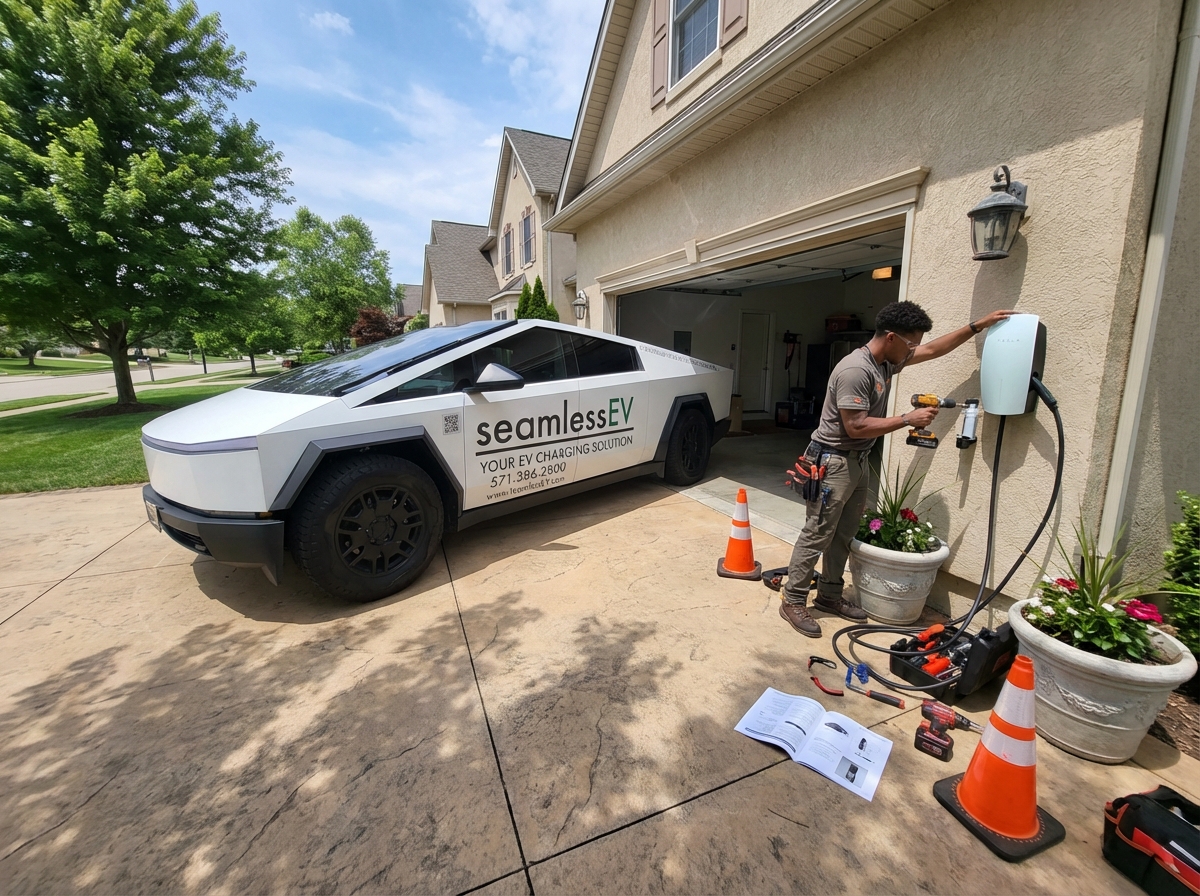
Understanding the installation steps helps set clear expectations. Here’s what you need to know.
Steps for Safe Installation
-
Site Evaluation: An expert visits your home to assess the best installation site.
-
Permit Submission: Necessary paperwork is filed with local authorities.
-
Installation Day: The charger is installed, connected, and secured.
-
Testing: The setup is tested to ensure it works correctly.
These steps ensure everything’s done right the first time. Safety and efficiency are key throughout the process.
Comparing Hardwired vs Plug-in Chargers
Choosing between hardwired and plug-in chargers depends on your needs. Hardwired chargers are permanent and often more reliable. They’re ideal for long-term use. Plug-in chargers offer flexibility; you can move them if needed. They’re a great option if you’re renting or planning to move. Consider your living situation and future plans before deciding.
|
Feature |
Hardwired |
Plug-in |
|---|---|---|
|
Installation Cost |
Higher |
Lower |
|
Flexibility |
Less flexible |
More flexible |
|
Reliability |
More reliable |
Slightly less reliable |
Final Testing and Customer Walkthrough
Once installed, a thorough testing process begins. This ensures everything works as it should. You’ll receive a complete walkthrough from the technician. This includes how to use your charger and basic troubleshooting tips. Knowing your setup inside and out gives you peace of mind. It’s part of the expert service provided by Seamless EV installers.
In conclusion, setting up a home EV charger involves more than just buying equipment. With careful preparation and professional assistance, you can enjoy the convenience and savings of home charging. If you’re ready to start, consider booking a site evaluation to kick off the process. For additional insights and community discussions, visit this Reddit thread.
Schedule your free site check.
23 Responses