
EV Charger Installation for Businesses in Northern Virginia: Planning, Power, and Placement
Commercial EV charging in Northern Virginia is more than just adding a plug—it demands careful planning and precise power management. Without the right approach, your installation could miss code requirements or fall short of future needs. This guide breaks down how to plan, power, and place EV chargers that serve your business and grow with it. Ready to get started? Request a site evaluation from Seamless EV and take the first step toward a reliable, code-compliant setup. For more information, check out this EV Charging Station Installation guide in Fairfax, VA.
Planning Your EV Charger Installation
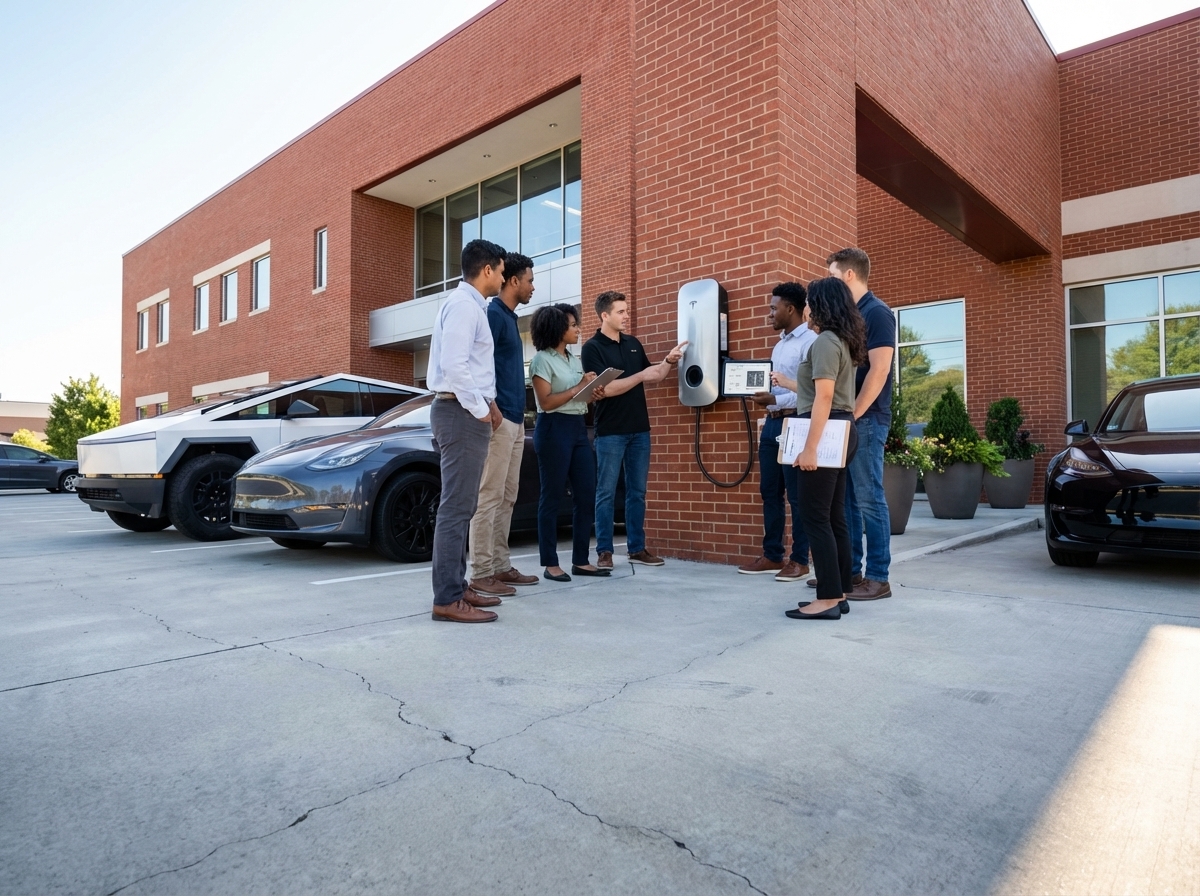
When setting up EV chargers, planning is your first step to success. It’s about understanding your needs and making smart decisions that will benefit your business in the long run.
Assessing Goals and User Types
Start by defining who will use the chargers. Are these for employees, customers, or fleet vehicles? Each group has unique needs. Customers might need quick access, while employees might charge all day. Knowing your users helps in choosing the right chargers and locations.
Consider future goals too. As EVs become more common, your needs might grow. Planning for expansion now can save time and money later. Think about how many chargers you might need in five years, not just today. This forward-thinking approach ensures your setup is scalable.
Budgeting for Your Charging Setup
Creating a budget is crucial. Begin by estimating the costs of equipment and installation. Remember, cheap isn’t always best. Investing in quality chargers can save you from costly repairs later.
Factor in potential incentives and rebates. Check local programs that offer financial support for installing EV chargers. These can significantly reduce your initial expenses. By carefully planning your budget, you can make your investment in EV charging both smart and sustainable.
Understanding Usage Patterns
Usage patterns guide how you set up your chargers. Observe when and how often they’ll be used. Peak usage times might require more chargers or faster models.
Consider seasonal changes too. In colder months, EVs may need more frequent charging. By understanding these patterns, you can optimize availability and reduce wait times, ensuring a smooth experience for users.
Power Considerations for Installation

Power is the backbone of your EV charging setup. It’s essential to ensure your electrical system can support the chargers without issues.
Evaluating Service Capacity
First, check your building’s electrical capacity. Can it handle additional chargers? You might need an upgrade if your current system is maxed out. Consult with a professional to assess your setup’s capacity.
If an upgrade is necessary, consider future needs. Installing additional capacity now can prevent costly updates later. Planning ahead ensures your system is prepared for increased demand as EV adoption grows.
Load Calculation and Code Compliance
Accurate load calculations are crucial. Miscalculations can lead to power outages or equipment damage. Use precise figures to determine your setup’s needs, considering both current and projected usage.
Code compliance is equally important. Follow local regulations and the National Electrical Code (NEC) Article 625 for EVSE installations. Compliance ensures safety and avoids potential fines. Proper planning and expert guidance can help you navigate these requirements smoothly.
Managing Demand Effectively
Managing demand helps avoid overloading your electrical system. Smart chargers can balance load by distributing power based on need, making your setup more efficient.
Consider load management systems that prioritize charging times. These systems can charge vehicles during off-peak times, reducing strain on your grid and lowering costs. Effective demand management keeps your chargers running smoothly without disrupting other operations.
Strategic Placement for Chargers

Placement is key to maximizing convenience and accessibility for all users. Thoughtful planning can enhance user satisfaction and safety.
ADA Access and Safety Measures
Ensuring ADA compliance is essential. Place chargers in locations that are accessible to everyone, including those with disabilities. This might mean installing ramps or ensuring clear paths to chargers.
Safety measures are equally important. Proper lighting and signage improve visibility and reduce accidents. Regular maintenance checks ensure everything runs smoothly, protecting both users and equipment.
Optimizing Parking Layout
A well-planned parking layout can increase the efficiency of your charging stations. Position chargers near building entrances or high-traffic areas for easy access.
Consider reserving specific spots for EVs to prevent unauthorized use. This ensures availability and encourages more drivers to switch to electric vehicles. Smart layout planning maximizes the utility of your chargers and enhances user experience.
Signage and Cable Management
Clear signage guides users to available chargers and informs them about proper usage. Use signs to direct drivers and indicate charging spots, enhancing accessibility.
Cable management is another crucial aspect. Properly stored cables prevent tripping hazards and extend the life of your equipment. Use retractable systems or protective covers to keep cables organized and safe. Effective signage and cable management contribute to a seamless and user-friendly charging experience.
Schedule your free site check.