Many homeowners in Northern Virginia rush into installing a home EV charger without a clear plan. This often leads to costly mistakes, delays, and code issues that could have been avoided. Knowing the common EV charger installation mistakes can save you time and money while ensuring your setup is safe and reliable. Keep reading to learn what to watch for and how Seamless EV can help with your Level 2 charger installation in Northern Virginia.
Common EV Charger Installation Mistakes
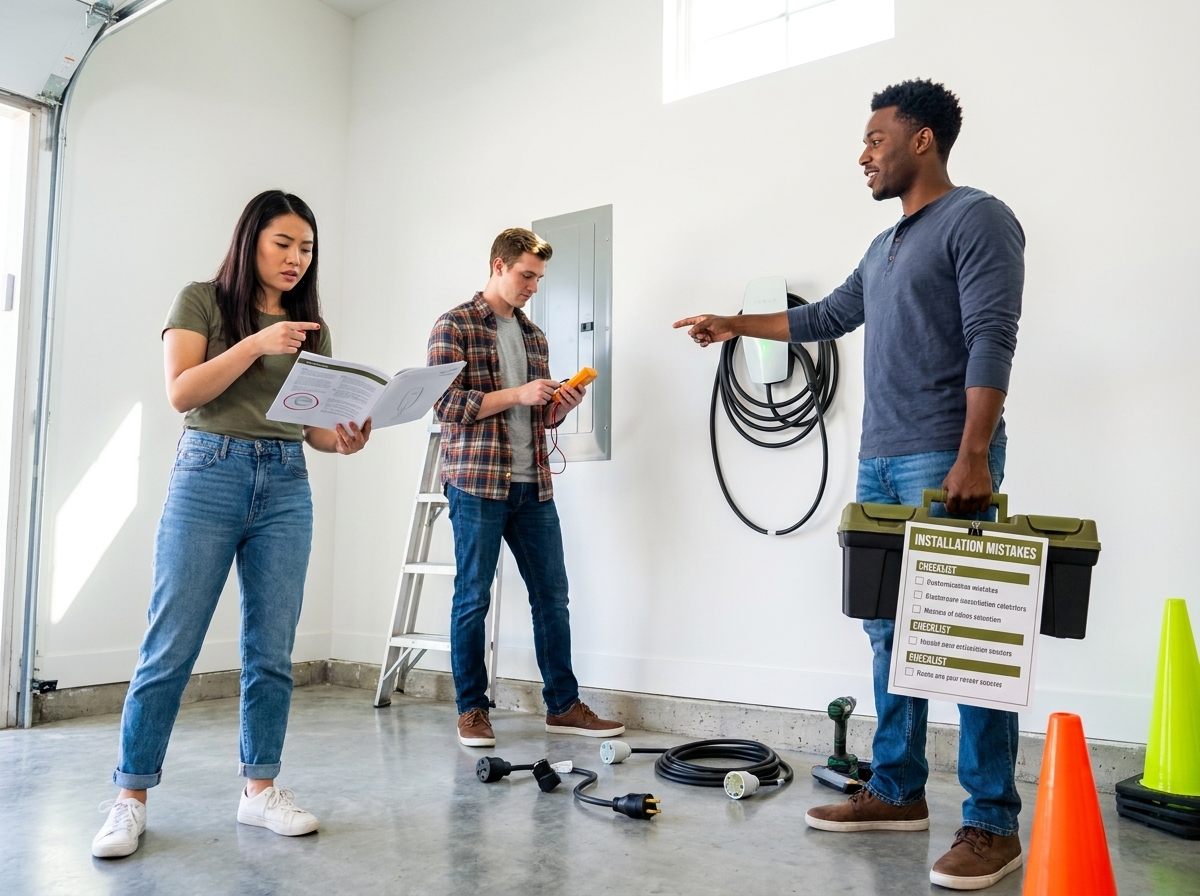
Starting your EV charger installation without knowledge can lead to common pitfalls. Here’s what you need to know.
Overlooking Electrical Load Calculations
Skipping electrical load calculations is a big mistake when setting up your home EV charger. Your home’s electrical system needs to handle the extra load from the charger. Without calculations, you risk overloading your system, leading to outages or even fires.
Consulting with an electrician can help determine if your current setup can support an EV charger. They will assess your system and ensure there’s enough capacity. It’s crucial to avoid assumptions and check with a professional. This step ensures your safety and prevents future issues.
Ignoring GFCI Breaker Requirements
Not considering GFCI breaker requirements is another common error. GFCI breakers protect against electric shock, which is vital for outdoor installations. If your charger is outside, a GFCI breaker is a must.
Many homes don’t have GFCI breakers installed already. Adding this breaker can prevent accidents and align with safety standards. It’s an investment in safety that should not be overlooked. Remember, safety always comes first with electrical installations.
Misjudging Cable Management Needs
Managing cables may seem minor, but poor planning can lead to bigger issues. Cables should be organized to avoid tangling and damage. Unplanned cable management can create hazards and affect charger efficiency.
Plan your cable layout before installation. Think about where the charger will be and where the cable needs to reach. Proper planning ensures a tidy setup that’s easy to use. It also prolongs the life of your equipment, saving you from future costs.
Planning Your Home EV Charger Setup
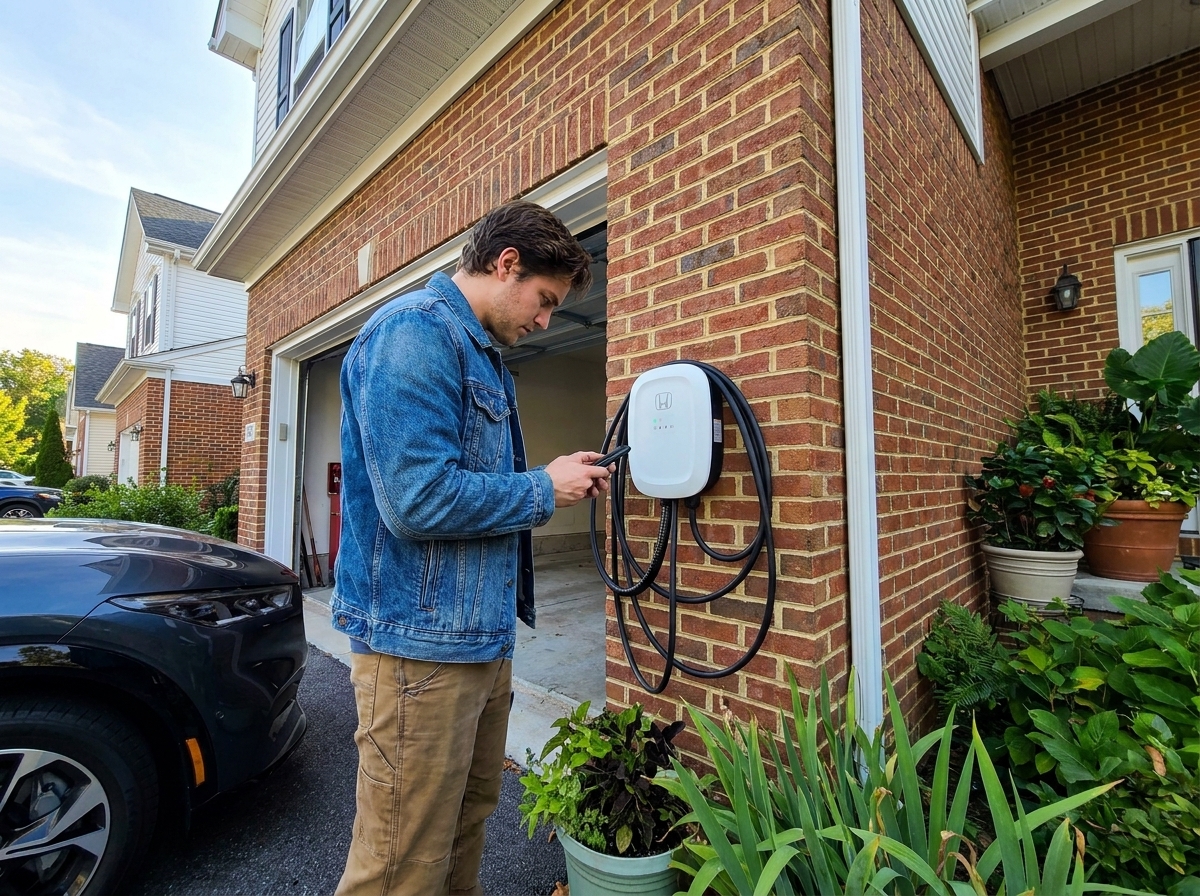
With common mistakes in mind, let’s dive into planning your EV charger setup. Each choice impacts your installation.
Choosing Between NEMA 14-50 and Hardwired
Deciding between a NEMA 14-50 outlet and hardwired setup is crucial. NEMA 14-50 outlets are like large appliance outlets, offering flexibility. They allow you to unplug and move your charger if needed. However, they may not support all charger types.
Hardwiring connects your charger directly to your home’s wiring. This option is more permanent but may be necessary for certain chargers. Consider your home’s future and if you might need to relocate the charger. Each choice has its benefits, so weigh them carefully.
Understanding EV Charger Permitting in Virginia
Permitting is a step you can’t skip when installing an EV charger in Virginia. Permits ensure your installation meets local regulations and safety standards. Skipping permits can result in fines or having to redo the work.
Research local requirements or consult a professional familiar with Virginia’s regulations. They can guide you through the process, ensuring compliance. Permitting might seem like extra work, but it’s essential for a legal and safe installation.
Considering a Panel Upgrade for EV Charger
An older electrical panel might not support an EV charger. Considering an upgrade can be crucial. A new panel provides the capacity needed for a charger. It’s a long-term investment in your home’s electrical system.
Check the age and capacity of your current panel. If it’s outdated, an upgrade might be necessary. This ensures your home can handle the charger’s load, preventing potential issues. Upgrading your panel is a proactive step towards a smooth installation.
Benefits of Professional Installation
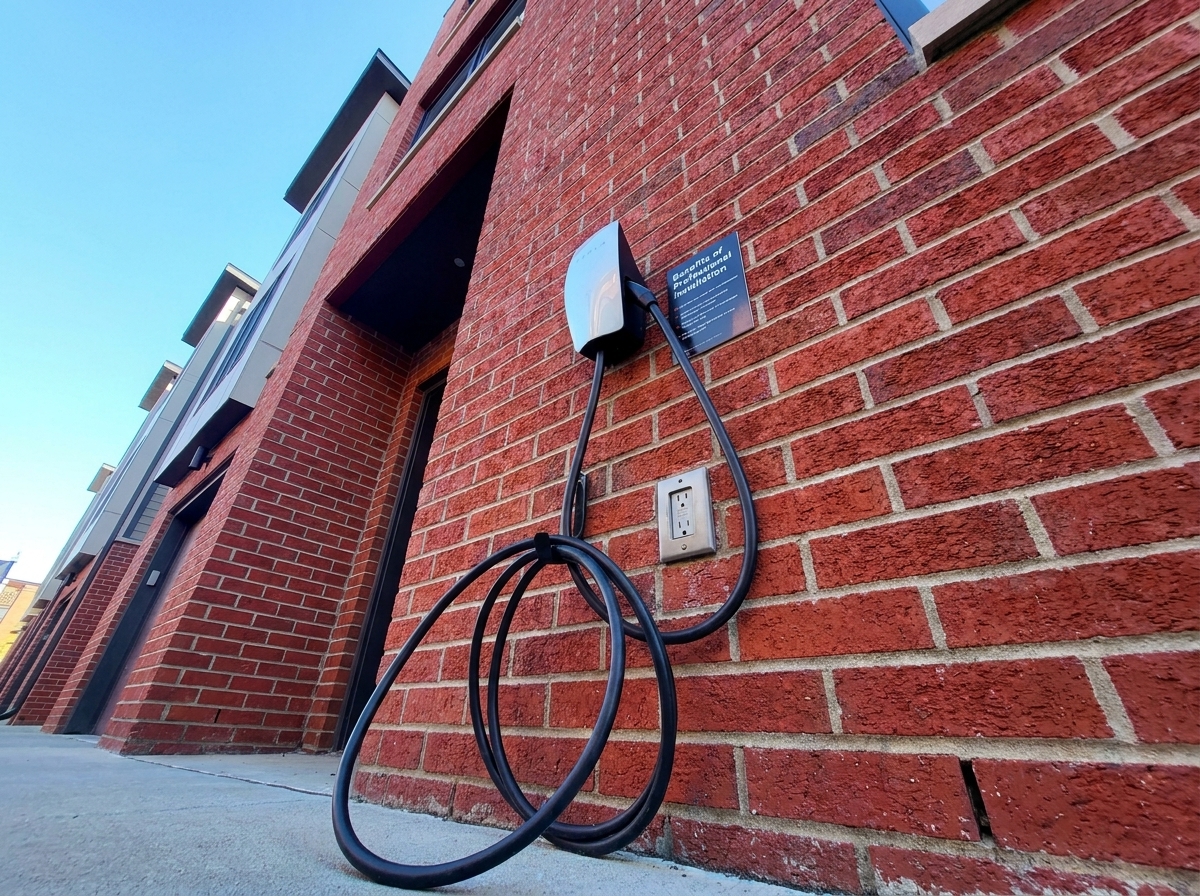
Hiring professionals for your EV charger installation offers numerous benefits. Here’s why it’s a smart choice.
Ensuring NEC Code Compliant Charging
Professional installers ensure your charger complies with NEC codes. These codes are the benchmark for safe electrical installations in the U.S. Compliance is not just about avoiding fines; it’s about safety.
Experts have the knowledge to navigate these codes, ensuring your installation meets all requirements. This expertise protects you and your home from potential hazards. Trusting professionals guarantees peace of mind and a safe charging setup.
Expert Tesla Wall Connector and ChargePoint Setup
When dealing with specific chargers like Tesla Wall Connectors or ChargePoint setups, expertise matters. These brands might have unique installation requirements. Professional installers are familiar with these specifics, ensuring a correct setup.
Their experience with various brands means you get a tailored installation. This protects your investment and ensures optimal charger performance. Relying on experts means your charger works efficiently from day one.
Scheduling Your Free On-Site Evaluation
Ready to take the next step? Consider scheduling a free on-site evaluation with a professional installer. This evaluation assesses your home’s readiness for an EV charger. It provides a clear plan tailored to your needs.
An on-site evaluation is the first step towards a seamless installation. Professionals can identify potential issues before they become problems. It’s a no-obligation way to ensure your installation goes smoothly.
In summary, planning your home EV charger installation carefully can prevent costly mistakes. By understanding common pitfalls and considering professional help, you ensure a safe and efficient setup. With the right planning, your home can be ready to charge your EV reliably for years to come.
Schedule your free site check.