Installing an EV charger in Northern Virginia is more than just plugging in your car. You need to plan for electrical capacity, permits, and safety codes to avoid costly mistakes. This guide breaks down the steps for home EV charger installation and commercial setups, so you know exactly what to expect. Keep reading to learn how Seamless EV can handle your entire project, from site evaluation to final inspection.
Preparing for EV Charger Installation
Starting your EV charger installation journey involves careful preparation. It’s important to understand your property’s specific needs and ensure everything is ready for a successful setup.
Assessing Your Property’s Needs
Before installing an EV charger, evaluate your current electrical setup. Identify where you want the charger and consider how far it is from your main electrical panel. This helps determine the type of wiring and conduit needed. Think about your daily driving habits to decide if you need a faster charger or if a slower, Level 1 charger will suffice. Understanding these aspects will pave the way for a smoother installation process.
Understanding Load Calculation and Panel Upgrades
Calculating electrical load ensures your home can handle the additional power demand. A licensed electrician will perform a load calculation to check if your existing panel can support the charger. If not, a panel upgrade might be necessary. This process is crucial as it prevents overloading your system, ensuring safety and efficiency. A panel with enough capacity means you can charge your EV without worrying about power outages or hazards.
Choosing the Right Charger
Selecting the right EV charger depends on your needs. Level 1 chargers are slower but may suffice for occasional use. Level 2 chargers are faster and more suitable for frequent charging. Consider factors like charging speed, installation costs, and your vehicle’s compatibility. You might also think about future-proofing: a Level 2 charger can handle your needs if you decide to upgrade your vehicle or if more family members start driving electric cars.
Navigating Permits and Compliance
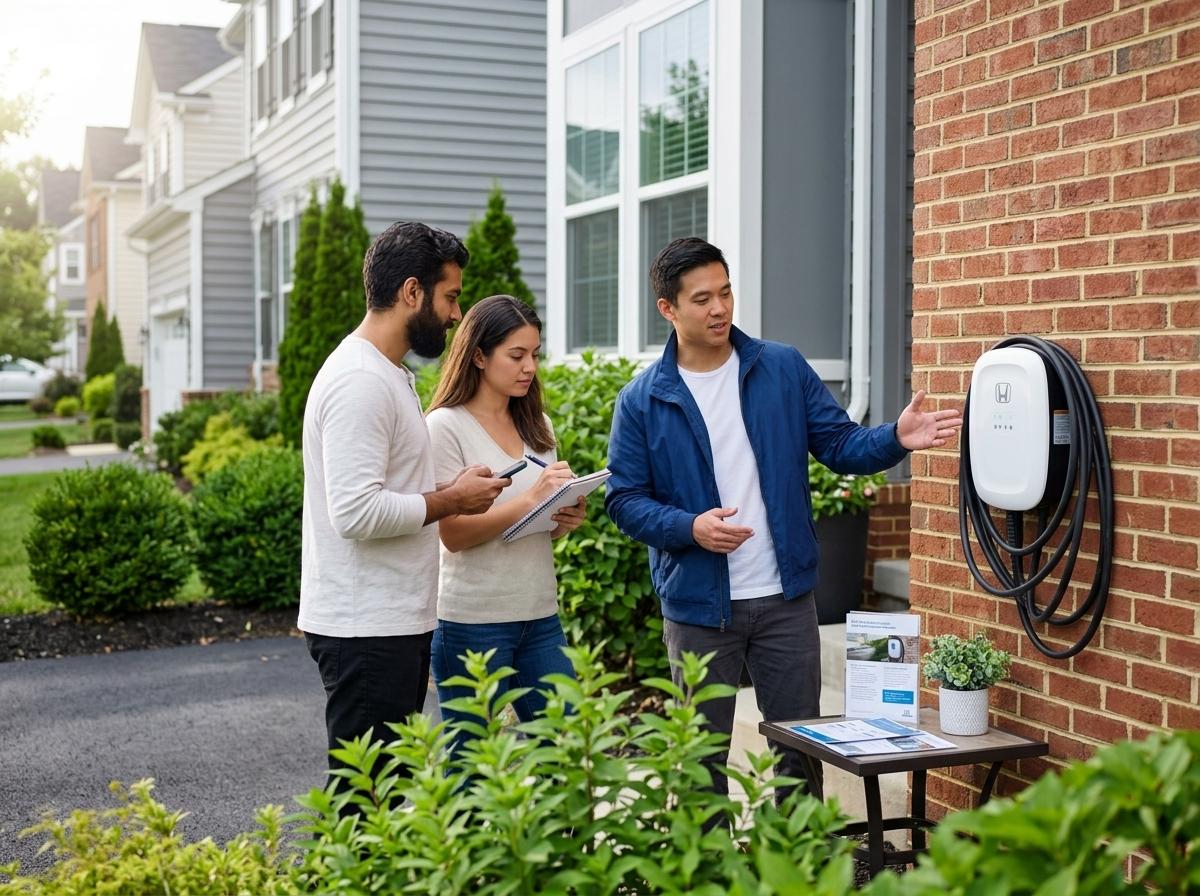
Navigating the maze of permits and compliance can be daunting, but it’s a necessary step to ensure your installation is legal and safe.
EV Charger Permits in Fairfax County
In Fairfax County, obtaining a permit for your EV charger is essential. Start by contacting your local building department to understand specific requirements. Typically, you will need to submit plans showing the charger location and electrical modifications. It’s wise to work with experienced contractors who understand local regulations, as this can save time and prevent costly mistakes.
Meeting Code Requirements in Northern Virginia
Adhering to code requirements ensures your installation is safe and compliant. In Northern Virginia, the National Electrical Code (NEC) governs these installations. Key requirements include proper placement, grounding, and connection methods. Familiarize yourself with these codes or work with professionals who can navigate them. This step not only ensures safety but also enhances the longevity and reliability of your charging station.
Installation Process and Final Steps
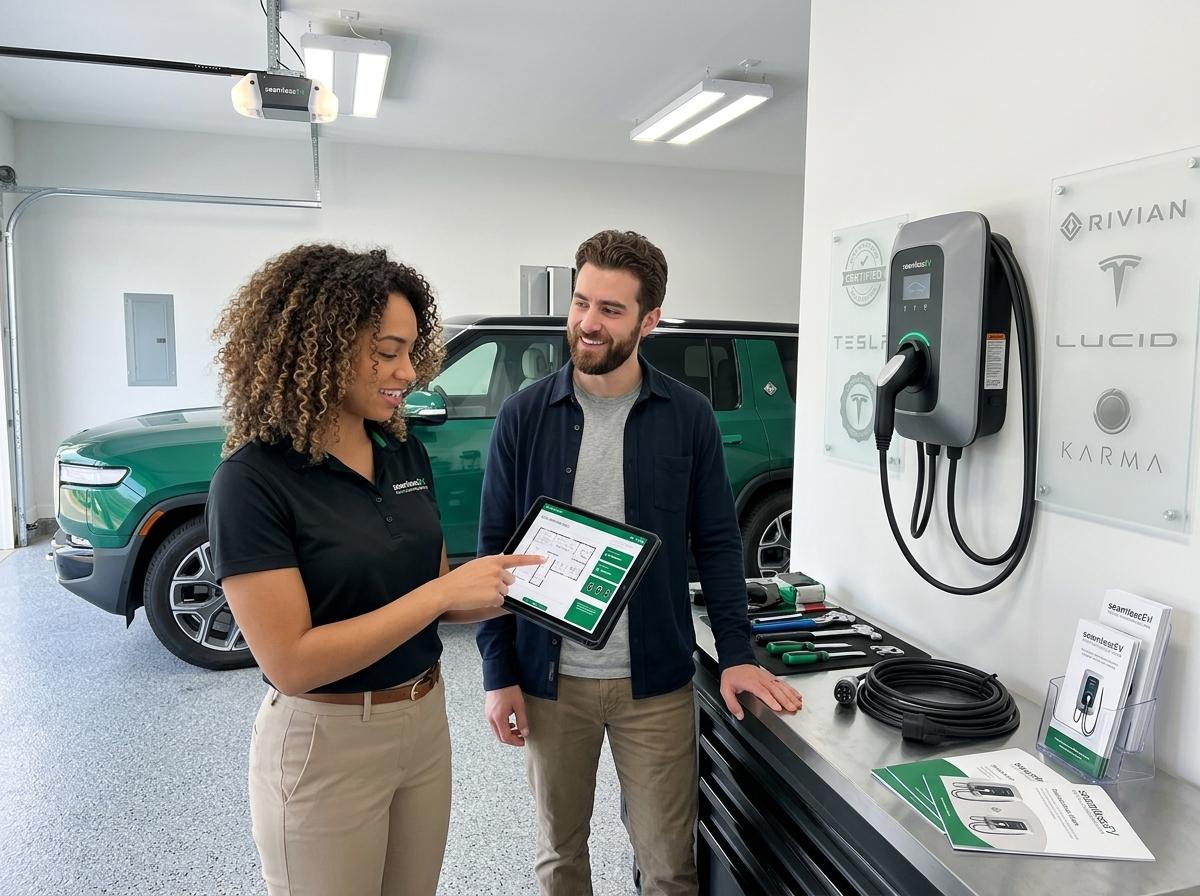
The installation process is where everything comes together. Here, safety and precision are paramount to ensure your charger operates as expected.
Safe Installation Practices
Safety is the cornerstone of any installation. Your electrician will use best practices, such as proper grounding and using GFCI breakers, to protect against electrical faults. Professional installers also ensure that all components are correctly rated and compatible, reducing the risk of malfunctions. Following these practices guarantees a reliable and secure charging setup.
Testing and Commissioning Your Charger
Once installed, the charger must be tested and commissioned. This involves checking the system’s functionality and ensuring it meets all operational standards. Your installer will test the charging speed, connectivity, and safety features. This comprehensive check ensures your charger is ready for use and operates without any issues.
Requesting a Site Evaluation and Quote
To complete your preparation, request a site evaluation. Contact Seamless EV for a thorough assessment and a detailed quote tailored to your needs. Their team will evaluate your setup and provide guidance on the best installation strategy. This step is crucial for avoiding surprises and ensuring your project stays within budget.
Frequently Asked Questions
What is the first step in installing an EV charger at home?
Start by assessing your property’s electrical capacity and choosing a suitable location for the charger. Consult a professional to ensure your setup can handle the additional load.
Do I need a permit to install an EV charger in Northern Virginia?
Yes, permits are required to ensure compliance with local building codes and safety standards. Contact your local building department for specific requirements.
What is the difference between Level 1 and Level 2 chargers?
Level 1 chargers are slower and use a standard 120-volt outlet, while Level 2 chargers are faster and require a 240-volt outlet. Choose based on your charging needs and electrical capacity.
How can Seamless EV help with my installation?
Seamless EV offers comprehensive services from site evaluation to installation, ensuring a seamless and hassle-free experience. They handle permits, compliance, and provide expert guidance tailored to your needs.
Are there rebates available for EV charger installations in Virginia?
Rebates may be available, but availability varies. Contact local energy providers or government programs for information on current incentives.
Schedule your free site check.